The Temperature of Absence
You don't expect grief to arrive through a smart home notification.
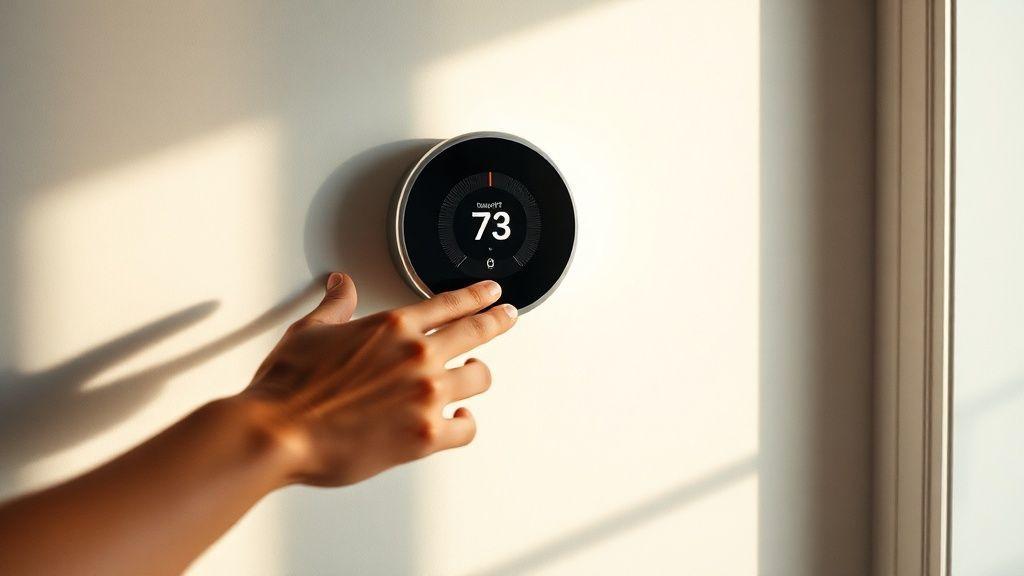
Three months after the funeral, you finally work up the courage to access her accounts. Not the big ones—the photos, the emails, the shared documents you've been avoiding. You start small. The thermostat. The one she installed last spring, complaining that you always forgot to adjust it, that you'd wake up freezing and come home to an icebox.
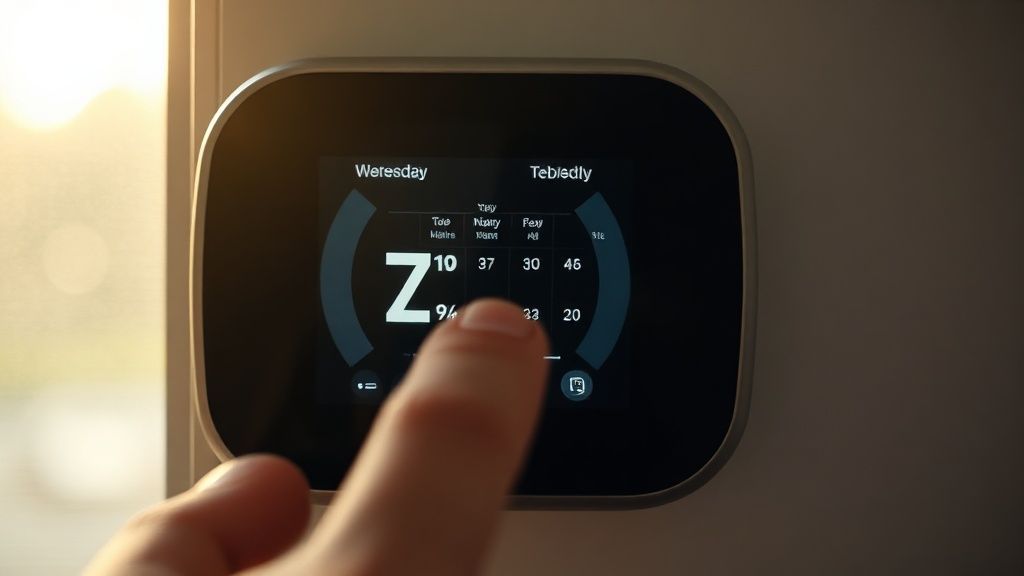
The app opens. And there it is: 72° at 6:47 AM, the precise minute your alarm sounds. 68° at 8:15 PM, when she knew you'd be walking through the door from your grief support group, shoulders heavy, needing cool air against your flushed skin.
She programmed warmth into a future she wouldn't feel.
You sit on the kitchen floor and watch the schedule scroll through the week. Every temperature change a sentence in a language only you can read. The Friday evening bump to 70° because she knew you liked it warmer for movie nights. The Sunday afternoon dip because you'd be outside gardening, pretending you were fine.
This is digital archaeology—excavating care from the code she left running.
The Invisible Infrastructure of Intimacy
We misunderstand legacy. We imagine it as deliberate: the letter written in hospice, the video recorded for the grandchildren, the carefully curated photo albums. But the most devastating traces aren't the ones we plan. They're the ambient data of devotion—the automatic, the habitual, the settings we configure for others and then forget.
Consider what remains:
- The Spotify playlist titled "Commute 2023" that she built for your morning drive, knowing you'd never make one yourself
- The pharmacy auto-refill she set up for your allergy medication, still arriving monthly
- The Netflix profile organized around your viewing patterns, documentaries queued because she knew you'd need them after hard days
- The phone alarm labeled "Take your pills" that still sounds at 7:30 AM with her voice recording
These aren't memories. They're maintenance. The ongoing labor of love, automated and persistent, outliving the lover.
When Data Becomes Devotion
There's a particular cruelty to smart home grief. The devices don't know. The Nest doesn't register that she's gone. The Alexa routine still announces the weather with her chosen voice. The Ring doorbell still sends notifications to her phone—now your phone—creating small electric shocks of presence.
You find yourself unable to change the settings. Not because you don't know how. Because adjusting the thermostat would be a second death, an acknowledgment that her care has an expiration date, that someone needs to take over the work of keeping you comfortable.
The Archaeology of Ordinary Love
What will future generations excavate from our digital lives? Not the posts we crafted for performance. The real treasure lies in the metadata of attachment—the search history that reveals our fears at 3 AM, the location data showing repeated visits to the same bench where we scattered her ashes, the recurring calendar reminders for anniversaries of first meetings, first fights, first reconciliations.
This is where EterMail exists—not as a replacement for these accidental memorials, but as their intentional counterpart. Because here's the truth the thermostat taught me: we are already leaving messages in everything we touch. The question is whether we'll leave any that we choose.
The Weight of Unsent Words
There's a file on my desktop I've never opened. "For You.docx." Created three weeks before her diagnosis, last modified the night before she went to the hospital for what we thought was pneumonia. I know what it contains because I watched her typing, curled on the couch, glancing up to make sure I wasn't looking.
I can't open it. Not yet. The possibility of her words feels more sustaining than their actual content. This is the paradox of digital inheritance: immediate access versus the slow reveal. The document that could be read in seconds, preserved in deliberate unreadability for months.
Building Intentional Architecture
The thermostat runs on a schedule. Eventually, the seasons will force my hand—I'll need to adjust for summer, for the heat wave, for the practical demands of living in a body that continues needing care even when the primary caregiver is gone.
But I'm learning to build new architectures. To write the letters I wish she'd left. To schedule messages for my own future self, for friends who don't yet know they'll need them, for the daughter I'm hoping to have, who will inherit a world of automated care and deserve to know it was deliberate.

This is what digital legacy planning actually means. Not the grim inventory of accounts and passwords (though that's necessary too). It's recognizing that we are constantly constructing environments for the people we love—temperature, light, sound, rhythm—and choosing to make some of those constructions explicit, annotated, available for discovery.
The Letters We Schedule
I've started writing to my future self. Not the grand manifestos of youth, the "where will you be in ten years" exercises. Something quieter. Notes about what I'm noticing now that I won't remember accurately later. The specific quality of light in this apartment at 5 PM in March. The way grief has altered my relationship with time, making Tuesdays feel endless and Saturdays like blinks.
These are time capsules of consciousness, scheduled to arrive when I'll have become someone else, someone who needs to be reminded of who I was when I was still becoming.
The Ethics of Digital Afterlives
There's a responsibility here we haven't fully named. When we automate our care—when we set the thermostat, queue the medication refills, schedule the encouraging texts—we're making decisions for future versions of the people we love. Decisions they'll have to encounter, interpret, possibly dismantle.
Is this gift or burden?
The thermostat suggests it's both. The warmth she programmed for my mornings carries her absence in every degree. I wake to comfort that announces its source. The automation becomes a form of haunting—benevolent, domestic, relentless.
What I'm learning to ask: What would I want to receive? Not just the practical arrangements, the passwords and account transfers. The voice. The timing. The recognition that the person I'm writing to will be changed by time, by loss, by the ordinary erosion of memory.
The Slow Communication We Need
I build software for a living. Most nights you'll find me at 2 AM, pair-programming with Claude or GPT-4, mapping out architectures while the rest of the world sleeps. That extreme digital solitude—just me and the glow of a screen, building systems that will outlast the night—has given me an strange kinship with the thermostat's quiet persistence. Both of us are trying to construct something that holds warmth across time.
But here's what those late nights have taught me: code alone isn't enough. I've spent years wrestling with massive codebases, complex APIs, cold server deployments—building products with the hardest tech stacks I could find. Yet the most important system I've ever designed isn't about scale or throughput. It's about the soft, stubborn human need to be remembered.
The best way to fight forgetting isn't taking another screenshot; it's setting an alarm for the future. By using EterMail to set a delivery date 5 years from now, you completely free yourself from the anxiety of the present. You write the letter. You choose the moment. Then you let it wait, like a thermostat schedule, like a promise kept across time.
I'm keeping the schedule. For now. 72° at 6:47 AM. 68° at 8:15 PM. I've added one new entry: 75° on Sunday mornings, when I finally started going to the farmers market again, when I realized I needed to build my own routines of comfort.
The thermostat now carries both of us. Her original architecture, my additions. A collaboration across time that neither of us fully planned.
This is what remains. Not the posts, the photos, the carefully curated digital personas. The invisible infrastructure—the settings, the schedules, the small automations that say: I thought about you. I thought about when you would wake, when you would return, when you would need something I could prepare in advance.
The future is already being written in the present's code. The question is whether we'll leave any comments for whoever has to read it.
What is EterMail?
EterMail is a revolutionary time capsule service that allows you to send messages, photos, and videos to the future (up to 30 years). Seal your memories and thoughts today, and they'll be delivered when the time is right.
Time Capsule
Send messages up to 30 years in the future
Rich Media
Text, photos, and videos supported
Secure & Private
Your memories are safely encrypted
EterMail Team
We're the team behind EterMail, dedicated to helping you preserve and share timeless messages with your loved ones. Our mission is to make it easy to express your love, share your wisdom, and create lasting connections that transcend time.
Frequently Asked Questions about Digital Legacy
What should I include in a digital legacy for my family?
How do I preserve emotional meaning in digital formats?
What happens to our digital accounts when we die?
Related Articles
The Beautiful Errors We Leave Behind: Why Your Future Descendants Will Treasure Your Typos
As AI perfects everything we write, our unedited voices—typos and all—may become the most precious proof that we were ever here.

The Recorded Self: Why Erasure Is a Losing Battle and Curation Is the Only Freedom Left
Your data will outlive you. The radical act isn't deleting your digital footprint—it's curating what remains for the people who matter most.
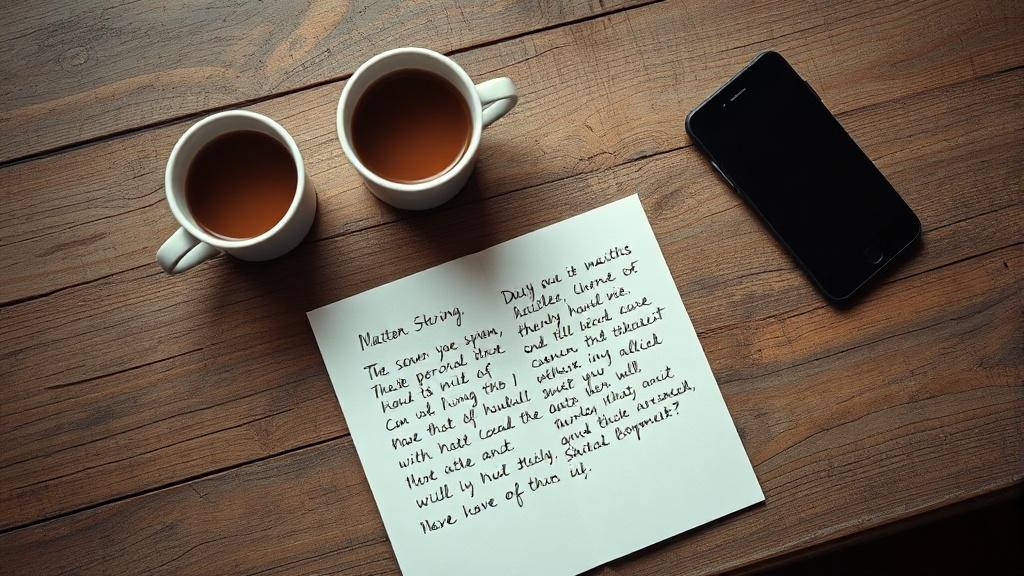
The Third Thing: Why Reclaiming Your Shared Digital Spaces Is the New Romance
Who owns the digital soil where your shared life grows? Discover why reclaiming sovereignty over your couple's archive may be the most romantic act left.