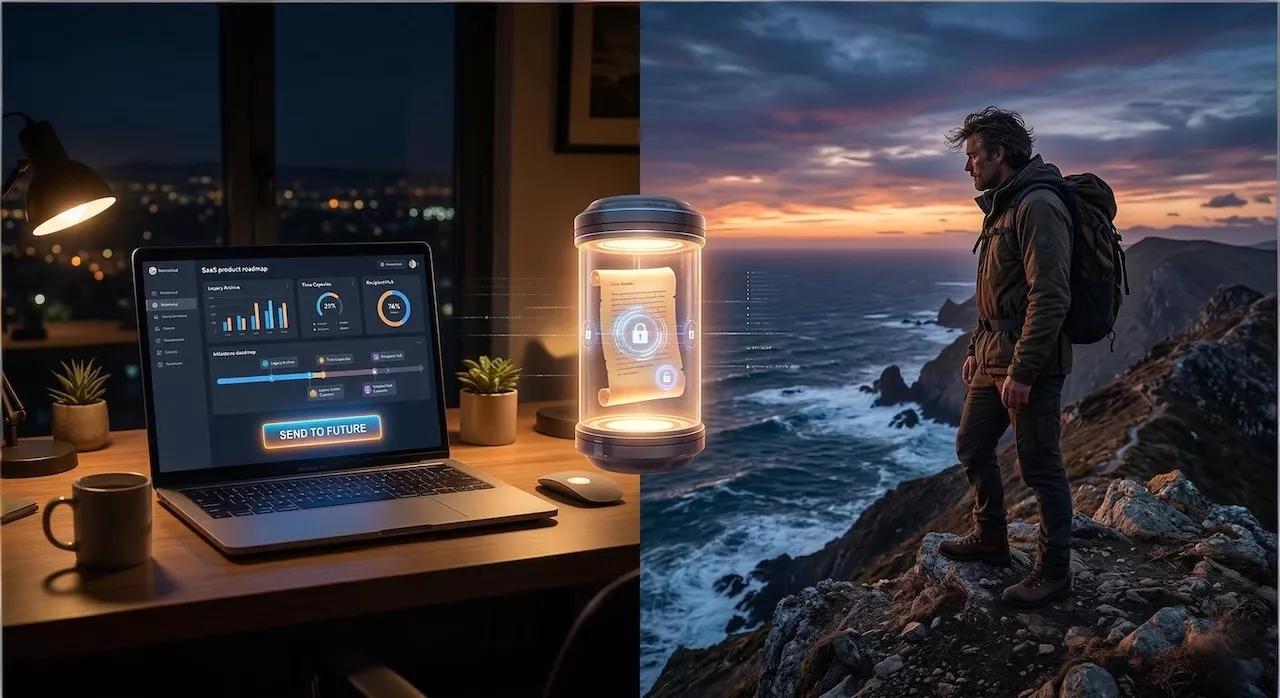
During the week, my brain is permanently wired for product management. I spend an unhealthy amount of time writing PRDs, obsessing over user journeys, running A/B tests to squeeze out a 2% lift in retention, and arguing with engineering about sprint capacity. My entire professional reality is consumed by building for the immediate now.
But come Friday, I try to shut my laptop by 6 PM (though it’s usually closer to 8). I throw my gear in the car and drive east toward the Sierra Nevada. Last winter, I got completely turned around on a backcountry route near Mammoth Lakes. My phone showed "No Service" for two solid days. Ever since that critical "edge case" in my life, I made it a habit to drop a pin to my wife before I head up, even though she knows my phone won't receive her replies.
Fast forward to a few months ago. I was standing on a sketchy, wind-battered exposed ridge near Mount Tallac, completely off the grid again, when a terrifyingly quiet thought hit me: What if I actually don't make it back down this time?

My mind immediately went to my "users"—my family. My kid just turned five. If I churned from this life today, would they even remember my voice by the time they turned 18?
And then there were the practical nightmares, the single-points-of-failure. My crypto isn't neatly organized; it’s scattered across Coinbase and Kraken. The 24-word seed phrase for my cold wallet is scribbled on a yellow sticky note shoved inside a book in my desk drawer. Which drawer was it again? Talk about a terrible UX for a grieving wife. How the hell would she ever find that?
The 3-Month Competitor Analysis
When I finally got back to a cell tower, I didn't immediately decide to found a SaaS startup. I just wanted a tool to solve my own critical pain point: anxiety.
I did what any PM would do—I ran a deep-dive competitor analysis. I spent three weeks testing seven different "digital legacy" and scheduled-email apps. The landscape was brutal. They had clunky interfaces that looked stuck in 2005, terrible onboarding flows, or felt so fundamentally flimsy I wouldn't trust them to hold my grocery list, let alone my final will.
Frustrated, I spent a weekend hacking together an MVP: a messy Python script using AWS Lambda and a cron job to fire off an email if I didn't ping it.
But it was an ugly workaround. And frankly, relying on an unmaintained script is a terrible product strategy. If AWS deprecated or changed a single API two years from now, my script would break silently. The delivery success rate would be zero, and my family would get nothing.
I realized nobody was building a reliable, user-centric digital sanctuary for the long term. So, I fully put my Product Manager hat back on, opened a blank doc, and started writing the defining PRD for EterMail.
Building a Vault, Not a Feature
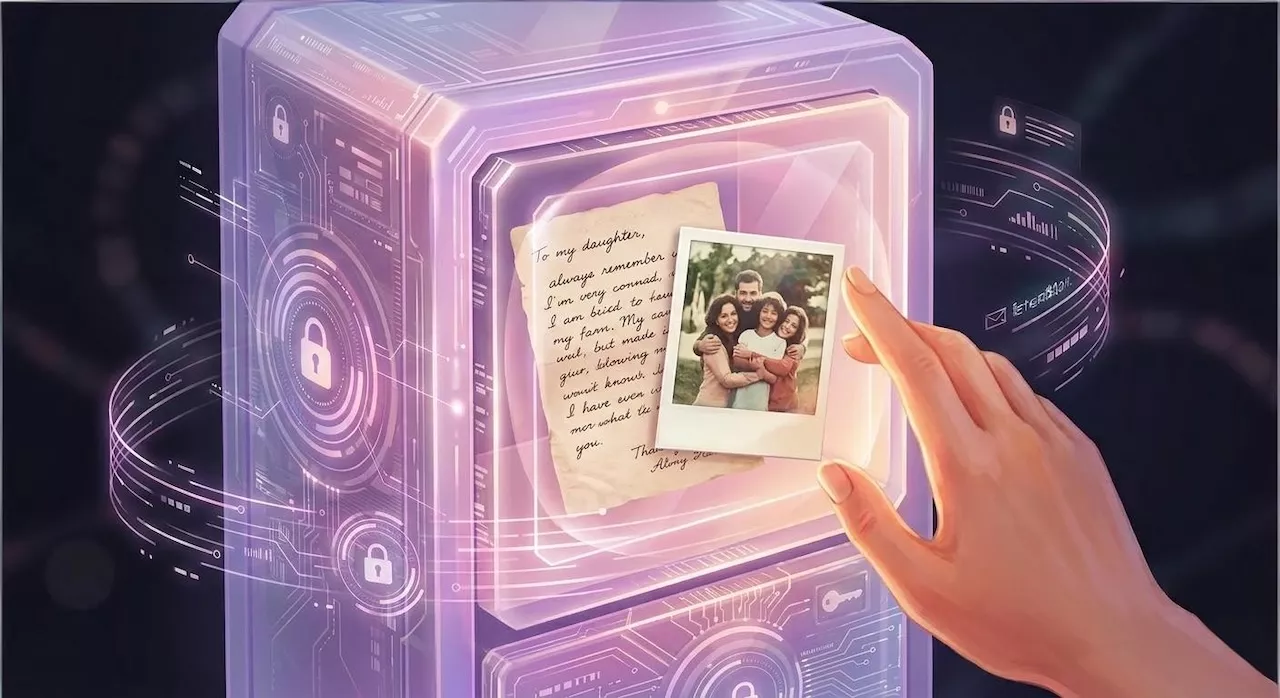
EterMail isn't some quirky side feature bolted onto a social app to boost engagement. It’s a dedicated, secure vault. To make it work, we had to throw out the standard Silicon Valley playbook:
Asynchronous UX (Delayed Gratification): You write a letter today and set it to unlock in 5 years. The core user flow is "set it and forget it." We handle the complex waiting infrastructure; you just focus on staying alive.
True Immutability (Actually Tamper-Proof): Once you seal a message, the state is locked. Period. Not even I have the admin rights to edit or delete it. It’s an unbreakable cryptographic promise designed to remove human error and tampering.
Radical Transparency over Marketing Fluff: I hate "military-grade" buzzwords. The hardest product requirement for a 10-year time capsule isn't the code; it's proving to the user that we'll still be here. That's why we rely on industry-standard AES encryption, redundant multi-region backups, and transparently explain our architecture. We engineered this so your data survives hardware deprecation, company pivots, and time itself.
At the end of the day, we can't control the physical world. Unpredictable bugs happen in life. But we can architect a system that outlasts us.
EterMail is the most important product I’ve ever shipped. It's the peace of mind I needed before stepping onto my next trail. I built it to be my family's anchor, and I hope it solves that same deeply human need for you.
By River, Founder of EterMail
What is EterMail?
EterMail is a revolutionary time capsule service that allows you to send messages, photos, and videos to the future (up to 30 years). Seal your memories and thoughts today, and they'll be delivered when the time is right.
Time Capsule
Send messages up to 30 years in the future
Rich Media
Text, photos, and videos supported
Secure & Private
Your memories are safely encrypted
EterMail Team
We're the team behind EterMail, dedicated to helping you preserve and share timeless messages with your loved ones. Our mission is to make it easy to express your love, share your wisdom, and create lasting connections that transcend time.
Related Articles

The Most Radical Letter to Your Future Self Is a Promise to Stay Unfinished
The best letter to your future self isn't a memory—it's a mandate. Learn how writing to the version of you still working with love changes everything.

The Ice Tray at Midnight: On Grief, Domestic Minutiae, and the Quiet Work of Becoming Yourself Again
Why do the smallest habits hurt most after someone leaves? A reflection on grief, domestic minutiae, and the quiet moment healing finally begins.

The Salary You Forgot You Earned: Why Your Career Deserves a Memory, Not Just a Résumé
The promotions, failures, and quiet triumphs that shaped your professional life deserve to be remembered. Learn how to preserve your career milestones.