The Morning I Became a Stranger to Myself
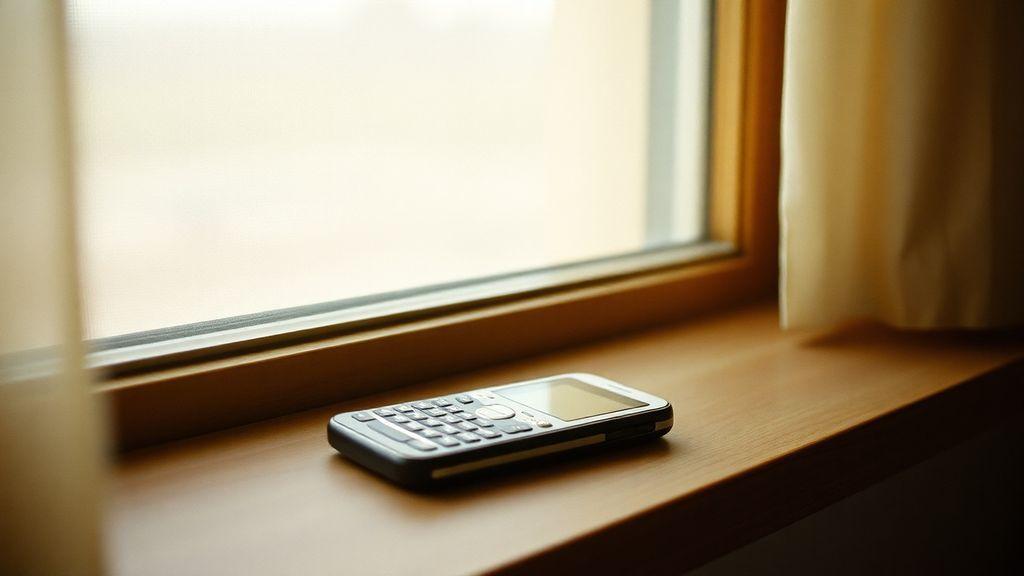
I deleted Instagram on a Tuesday. Bought a flip phone by Thursday. By Sunday, I was sitting on a park bench with nothing to do, and the panic arrived like a physical thing—a tightness in my chest, a restless scanning of tree branches, as if entertainment might be hiding in the bark. I had done everything the wellness influencers prescribed. I had gone "offline." So why did silence feel like drowning?
This is the dirty secret of the digital cleanse movement: the devices were never the real problem. We blame the glowing rectangles, the infinite scroll, the dopamine loops engineered in Silicon Valley boardrooms. But strip them away and what remains? A mind so habituated to external stimulation that it no longer knows how to generate its own company. The smartphone was a symptom. The disease is our terror of interiority.
I spent three weeks with that flip phone. I read books. I took walks without podcasts. I ate meals without photographing them. And slowly, cruelly, I met the person I had been avoiding for years: a self who had nothing particularly urgent to say, no performance to stage, no algorithm to satisfy. She was quieter than I expected. More tender. More frightening.

The Nostalgia Trap: Why "Offline Bliss" Is a Fantasy
The flip-phone cleanse has become its own genre. Documentaries follow tech executives retreating to analog cabins. Influencers post (ironically, on social media) about their "dumb phone summers." The aesthetic is seductive: rotary phones, handwritten letters, the soft click of mechanical keys. We are told that the past was slower, deeper, more human.
But I lived through that past. I remember dial-up internet and the agonizing slowness of waiting for a single JPEG to load. I remember boredom so profound it felt like an illness. The pre-digital world was not a mindfulness retreat. It was simply a world with different escapes—television, malls, the telephone cord stretched around a corner for privacy.
Nostalgia is a liar that edits out the discomfort. What we actually crave is not the absence of technology but the presence of attention. The feeling of being fully located in one moment, one conversation, one thought. This is not a technological achievement. It is a psychological one. And it cannot be purchased through consumer choices, no matter how artisanal the flip phone.
The cleanse fails because it treats the symptom (device usage) without addressing the underlying condition: a culture that has systematically devalued slowness, solitude, and the difficult work of constructing meaning without external validation. You can delete every app and still be performing "wellness" for an imagined audience. You can hand-write letters and never say anything true.
The Attention Economy's Deeper Theft
We speak of the attention economy as if it merely steals our time. This is too small a framing. What it actually confiscates is our relationship with our own becoming.
Consider: when did you last have a thought that was not immediately interrupted by the impulse to share it? When did you last feel something complex—grief, ambivalence, a strange joy at a funeral—and allow it to remain unprocessed, unposted, unvalidated by the red heart of a stranger? The attention economy does not simply fragment our focus. It colonizes our interior life, converting every private experience into potential content.
This is why the flip phone is insufficient. The architecture of extraction lives in our minds now. We have internalized the scroll, the refresh, the metrics of worth. I caught myself, during my cleanse, narrating my walks as if for an audience. "This would make a good story," I thought, watching a heron rise from a pond. The observation was already being packaged before it was fully felt.
True digital mindfulness requires something more radical than device substitution. It requires reclaiming attention as an act of resistance. Choosing, deliberately and repeatedly, to experience without broadcasting. To think without publishing. To feel without translating into language optimized for engagement.
The Lost Art of Deliberate Slowness
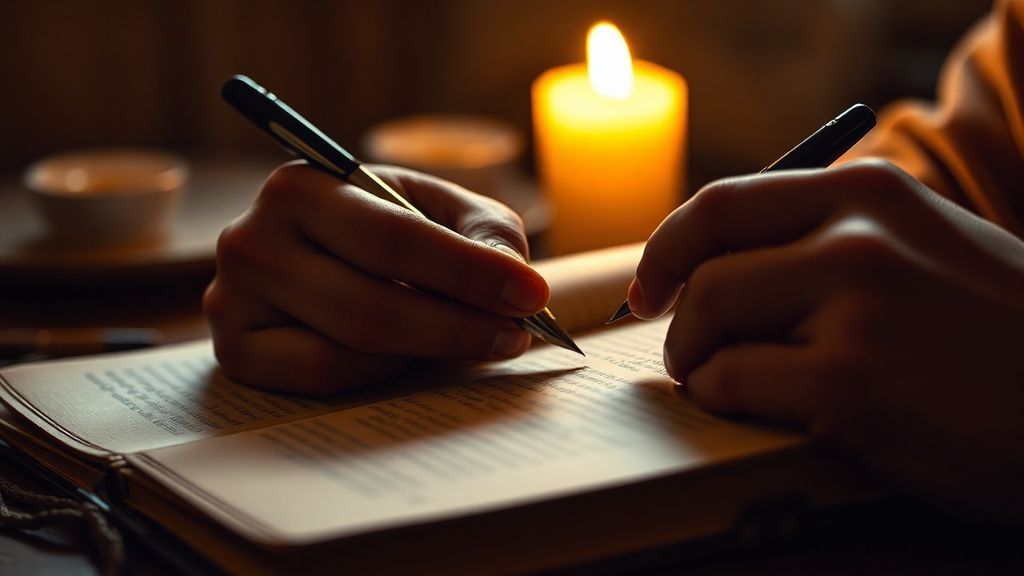
There is a practice I discovered during my failed cleanse, one that had nothing to do with my phone choice and everything to do with my relationship to time. I began writing letters—not the performative kind shared on social media for aesthetic appeal, but letters with no audience, no deadline, no possibility of immediate response.
The first was to my future self, five years distant. I wrote it by hand over three evenings. The slowness was excruciating. My hand cramped. My thoughts outran my pen and then, strangely, slowed to match it. Without the possibility of autocorrect or deletion, I became more careful and more honest simultaneously. I wrote things I would never type: fears about my mother's health, a shameful memory from adolescence, a hope so fragile I had never spoken it aloud.
This is the self that emerges only when no algorithm is listening. The self that does not optimize for engagement, that does not know what trending topics might contextualize its experience, that has no metrics to chase. This self is not always pleasant. She is sometimes boring, sometimes ugly, sometimes so ordinary she surprises me. But she is mine in a way my curated personas never were.
The letter became a practice of digital mindfulness precisely because it was not digital. Not because analog is inherently superior, but because the specific constraints—slowness, irreversibility, the absence of immediate feedback—created conditions for a different kind of attention. An attention that could tolerate ambiguity, that did not require instant resolution, that could hold a thought across days rather than seconds.
What We Are Actually Afraid Of
The flip-phone cleanse movement reveals our genuine hunger. We want lives that feel chosen rather than reacted to. We want relationships with depth rather than breadth. We want to feel, as Kierkegaard put it, that we are living forward while understanding backward—not merely existing in the eternal present of the feed.
But we are afraid of what we might find if we actually achieved this. The unexamined life is not worth living, Socrates claimed, but the examined life is frequently uncomfortable. My three weeks of analog living confronted me with questions I had been avoiding: whether I actually liked my friends or merely found them convenient, whether my career reflected values or merely momentum, whether I had become someone I would not want to receive a letter from.
The smartphone is a brilliant avoidance technology. Not because it distracts us from important work, but because it distracts us from important questions. The endless scroll is not empty. It is full—full of other people's lives, other people's opinions, other people's emergencies. Full enough that we never need to encounter our own emptiness, our own uncertainty, our own quiet needs.
This is why cleanses fail. We remove the avoidance mechanism and find the void it was masking. Without preparation, without practice in inhabiting our own minds, the void is terrifying. We rush back to our phones not because we are weak but because we are unprepared. We have never been taught to be alone, to be slow, to be insufficient.
Rebuilding the Muscle of Interiority
Digital mindfulness, I have come to believe, is not about the device you carry. It is about the attention you refuse to outsource. It is the practice of choosing, again and again, to experience first and share later—or never. To think without immediately seeking consensus. To feel without immediately seeking distraction.
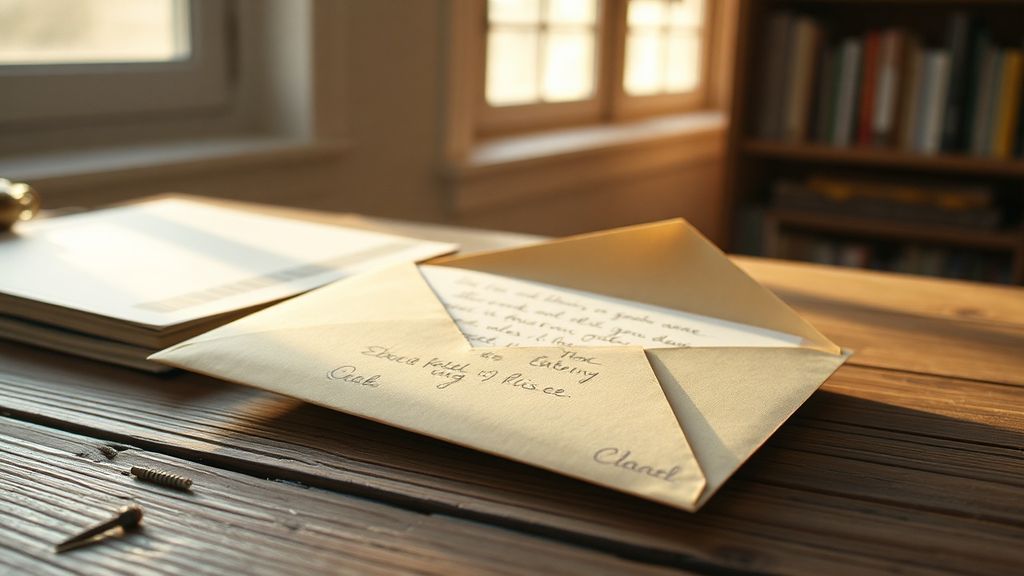
The letter to my future self became a template for this practice. Not because writing letters is inherently virtuous, but because it trains capacities we have atrophied: delayed gratification, sustained focus, the tolerance for not-knowing. When you write a letter you will not read for years, you are practicing trust in your own continuity. You are asserting that your future self matters, that your present experience deserves preservation, that your voice has value even without immediate audience or validation.
I know something about this particular loneliness—of sitting with a thought that no one will hear for years. A friend of mine, River, builds software in Silicon Valley and spends his nights "pair programming" with AI models until 2 or 3 AM, mapping architectures in the blue glow of a monitor. He's told me that the strangest part isn't the isolation; it's the realization that his most honest dialogues happen across time, with versions of himself that don't yet exist. He hikes brutal mountain trails on weekends just to feel something unmediated, something the digital world can't smooth over. That same impulse—to strip away performance and reach someone real, even if that someone is your own future self—is what drew him to build tools for deliberate, asynchronous connection.
The best way to fight forgetting isn't taking another screenshot; it's setting an alarm for the future. By using EterMail to set a delivery date 5 years from now, you completely free yourself from the anxiety of the present. No notifications demanding immediate response. No metrics. Just the quiet certainty that your words will arrive when they're meant to, preserved with the same care you'd give a letter in a locked drawer.
I still have a smartphone. I have not retreated to analog purity, which was always a fantasy of the privileged. But I have changed my relationship with it. It is a tool, occasionally useful, frequently unnecessary. The letter-writing practice continues. Some evenings I write to my future self. Others, to my daughter, who will receive these words when she is old enough to need them—words from a mother who was still figuring it out, who did not have answers but had the courage to ask questions in permanent ink.
The attention we refuse to outsource becomes the self we actually inhabit. This is digital mindfulness: not a cleanse, not a product, not a performance of wellness, but a daily, difficult, deeply personal reclamation of the interior life that technology did not invent but has learned to monetize. The flip phone failed me. But the letter, unexpectedly, did not.
Frequently Asked Questions
What is digital mindfulness, and how is it different from a digital detox?
Digital mindfulness is the intentional practice of directing your attention rather than surrendering it to technology, whereas a digital detox typically involves temporary abstinence from devices. The key difference is sustainability: mindfulness builds lasting capacity for presence, while detoxes often result in rebound usage because they don't address why we seek distraction in the first place.
How can I practice being alone with my thoughts without feeling anxious?
Start with very brief periods—five minutes of unstructured time—and gradually increase duration as tolerance builds. Pair solitude with a gentle anchor like handwriting, walking without audio, or simple observation. The anxiety typically peaks around day three of consistent practice and diminishes as your mind recalibrates to generating its own stimulation.
Why does writing by hand feel more meaningful than typing?
Handwriting activates different neural pathways associated with memory encoding and emotional processing; the physical slowness forces cognitive processing that typing's efficiency bypasses. More importantly, the irreversibility of ink creates psychological conditions for greater honesty, as we cannot endlessly revise ourselves into performative perfection.
The Self That Survives the Silence
My flip phone sits in a drawer now, a relic of a lesson learned. The real cleanse was never about the device. It was about discovering whether I could tolerate my own company, whether my thoughts had substance without external validation, whether I existed when no one was watching.
The answers were mixed. I am more fragmented than I hoped, more performative than I knew, more ordinary and more singular than I expected. But I am here. I am writing. And in the deliberate slowness of a letter that no algorithm will surface, no feed will display, no metrics will measure, I have found something the digital age promised but rarely delivers: a self that is entirely, frighteningly, finally my own.
What is EterMail?
EterMail is a revolutionary time capsule service that allows you to send messages, photos, and videos to the future (up to 30 years). Seal your memories and thoughts today, and they'll be delivered when the time is right.
Time Capsule
Send messages up to 30 years in the future
Rich Media
Text, photos, and videos supported
Secure & Private
Your memories are safely encrypted
EterMail Team
We're the team behind EterMail, dedicated to helping you preserve and share timeless messages with your loved ones. Our mission is to make it easy to express your love, share your wisdom, and create lasting connections that transcend time.
Frequently Asked Questions about Digital Mindfulness
What is digital mindfulness, and how is it different from a digital detox?
How can I practice being alone with my thoughts without feeling anxious?
Why does writing by hand feel more meaningful than typing?
Related Articles
Why I Built EterMail: A Time Capsule for the People I Love Most
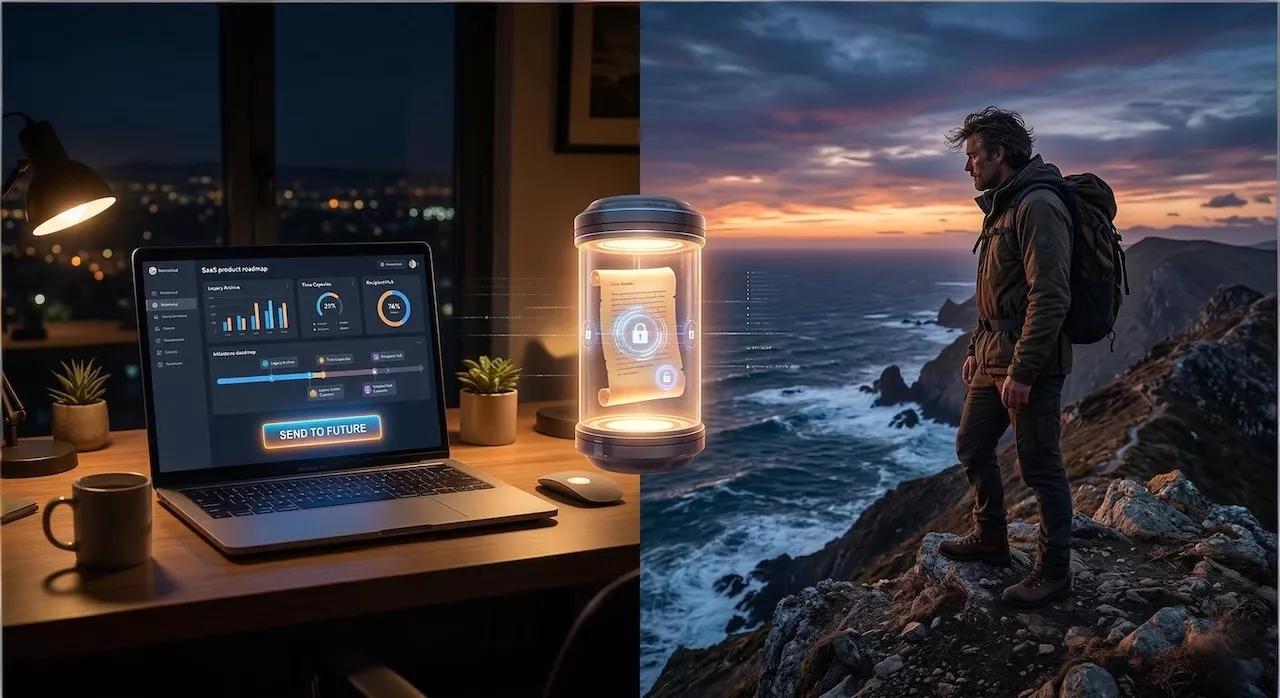
I’m a Product Manager who spends all week optimizing for the "immediate now." But getting lost off the grid on a mountain ridge made me realize I had zero infrastructure for the "forever." Here’s why I stopped worrying about conversion rates for a moment and built EterMail—a secure, tamper-proof digital time capsule for the people I love most.
The Most Radical Letter to Your Future Self Is a Promise to Stay Unfinished
The best letter to your future self isn't a memory—it's a mandate. Learn how writing to the version of you still working with love changes everything.
The Ice Tray at Midnight: On Grief, Domestic Minutiae, and the Quiet Work of Becoming Yourself Again
Why do the smallest habits hurt most after someone leaves? A reflection on grief, domestic minutiae, and the quiet moment healing finally begins.