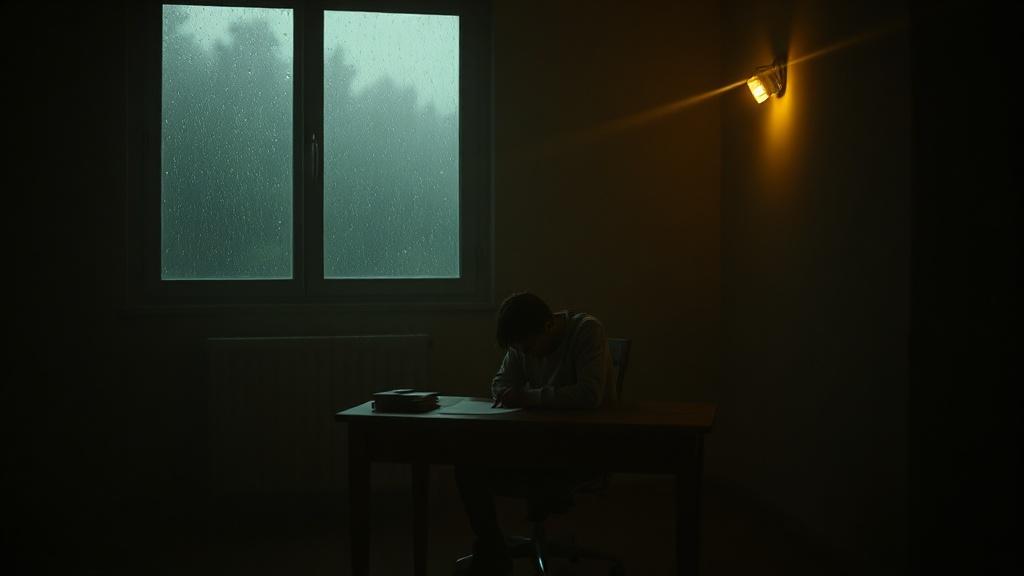
You feel it in the hollow pause after sending a text, in the reflexive scroll through photos you never asked to be tagged in, in the creeping suspicion that your search history knows you better than your own mother does. Everything you do is being recorded. Not metaphorically. Not hypothetically. The location data, the voice memos, the 3 a.m. searches for whether heartbreak can actually kill you—all of it archived, packaged, sold to entities whose names you will never learn.
The desperate question follows like breath: Is there any way of fighting back?
Encryption helps. Deletion promises relief. But both operate on the assumption that the war is about data—about what they have and what you can withhold from them. What if the deeper rebellion has nothing to do with defense at all?
The Illusion of Digital Memory
We have confused storage with significance. Your cloud holds forty thousand photographs, yet you cannot describe your father's hands. Your messages archive stretches back fourteen years, yet you struggle to recall what your partner said that made you feel truly seen last Tuesday. The platforms have trained us to believe that preservation equals memory, that quantity somehow compounds into meaning.
This is the first violence of surveillance culture—not that it watches, but that it teaches us to watch ourselves through the same instrumental lens. We begin curating our lives for invisible audiences, performing versions of grief and joy that scan well, that generate engagement, that leave traces worth mining. The algorithm does not merely record us; it shapes what we deem record-worthy.

Consider what you have actually chosen to preserve this year. Not what auto-saved, not what backed up, not what the platform archived before you could delete it. What did you deliberately, consciously, with full intention set aside for a future self or a specific beloved soul to discover?
If the answer unsettles you, you are not alone. And you are not without recourse.
Digital Mindfulness as Radical Practice
Digital mindfulness does not demand that you retreat to a cabin without electricity. It asks something more precise and more difficult: that you refuse to let surveillance define what counts as a life worth remembering.
This practice begins with slowness. The deliberate composition of a letter that will not send instantly. The selection of words for one person, not for a feed. The crafting of truths too specific, too interior, too yours to hold value for any data broker. A description of how your daughter's laugh changed after she lost her first tooth. An admission of fear you have never spoken aloud. A question you hope your future self might finally be equipped to answer.
These are not posts. They are not content. They are correspondence—from the Latin correspondere, to respond together, to answer in kind. Two people, across time, engaged in mutual recognition that requires no third party, generates no metadata of commercial value, resists extraction entirely.
The platforms cannot harvest what they cannot parse. A letter written slowly, to one person, containing the exact truths you'd never feed an algorithm, becomes invisible to the systems that record everything else. Not because it is hidden, but because its value is relational, not transactional. It exists only in the trust between two people. It was never meant to be recorded at all.
The Architecture of Intentional Preservation
What does it mean to build memory outside surveillance's architecture? It means embracing temporality as a feature, not a bug.
The platforms want everything now, immediate, frictionless. The time capsule—physical or digital—rejects this compression. It says: This matters enough to wait. This truth is for a moment that has not arrived. The waiting itself becomes a kind of faith, a wager against the culture of instantaneity that surveillance capitalism demands.
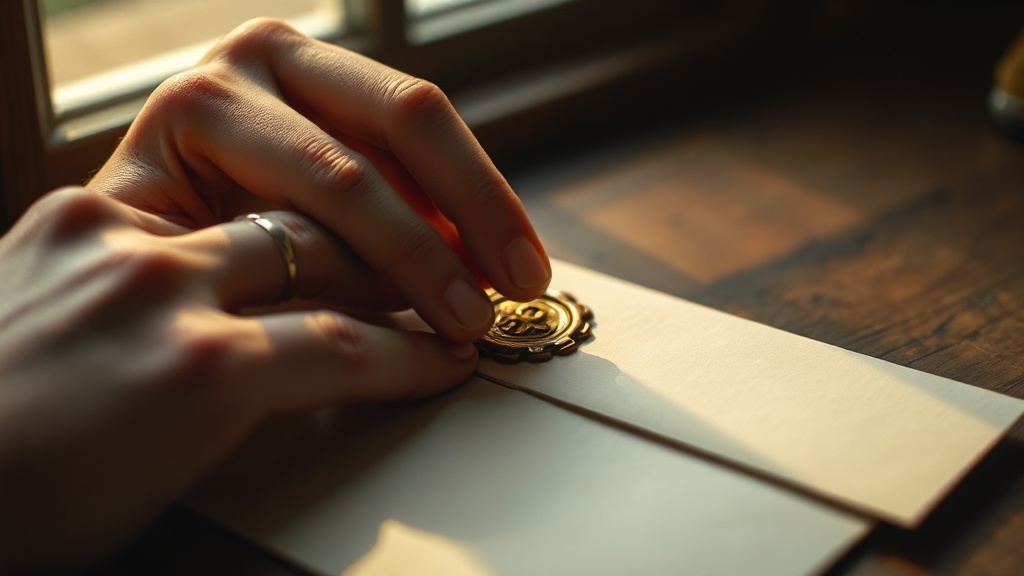
I came to this obsession honestly. For years I sat alone until 2 or 3 AM, "pair programming" with LLMs, mapping architectures, chasing the hum of something just beyond the screen's edge. That extreme digital solitude taught me something I couldn't unlearn: the most profound conversations happen across distance—between you and a machine, you and your future self, you and someone you haven't become yet. EterMail grew from that loneliness. I wanted to build a bridge between the physical and cyber worlds, a digital spaceship to traverse the dimension of time. The platform operates on this principle of scheduled intimacy. You compose a letter to your future self, to your child on their eighteenth birthday, to your spouse two decades from now, and you set it free into a future you cannot control. This is exactly why I obsessed over end-to-end encryption and extreme server redundancy when building EterMail. Because I know that a letter written to the future needs to be guarded even more fiercely than a bank password.
This is not nostalgia. This is future-making—the active construction of a self that will exist beyond the platforms' flattened present tense.
What Surveillance Cannot Archive
The surveillance state—corporate or governmental—excels at surfaces. It knows where you went, what you bought, who you messaged, what you watched. It struggles profoundly with interiority. It cannot archive the particular weight of your grandmother's silence during your last visit. It cannot extract the meaning of a song that returned you to a self you thought you had lost. It cannot commodify the precise quality of love you feel for someone who has not yet been born.
These experiences resist datafication not because they are ineffable, but because they are relational in ways that defy scale. They matter to exactly two people, or three, or one. They do not trend. They do not convert. They exist in the narrow bandwidth of human trust, and that bandwidth is where digital mindfulness makes its stand.
When you write a letter that no algorithm will optimize, you are practicing a kind of invisibility that is not hiding but rather choosing. Choosing the specific over the general. The slow over the instant. The private over the performative. The remembered over the merely stored.

The Self That Exists in Trust
The reader who learns this now will possess something no surveillance state can archive: a self that exists only in the trust between two people, preserved in words that were never meant to be recorded at all.
This self is not your brand. It is not your digital footprint. It is the self that emerges when you write "I am frightened" to someone who will not exploit that fear. The self that confesses ambition you have never spoken, love you have never declared, grief you have never performed. The self that believes someone in the future—your future self, your grown child, your aging partner—will need exactly these words, exactly this moment of your imperfect, unoptimized honesty.
Digital mindfulness is not about achieving perfect privacy, which is neither possible nor necessarily desirable in a connected world. It is about cultivating spaces of intentional memory—correspondence that you have chosen to preserve, for reasons you have examined, for recipients you have named, with a slowness that marks the writing as ritual rather than reflex.
The Practice Begins With One Letter
You cannot opt out of surveillance entirely. But you can opt in—to something else. Something older and, paradoxically, something that feels increasingly urgent.
Start with one letter. Not a text. Not an email that will sit in a searchable archive. A letter composed with the knowledge that it will travel through time to reach one specific someone. Include a detail that would confuse any algorithm: the smell of your kitchen at 6 a.m., the particular way your friend pronounces your name when she is worried, the question you are not yet ready to answer but need to ask.
Set it to arrive when the moment is right. Trust the waiting. Trust that meaning accrues in delay, in the space between composition and reception, in the knowledge that you have chosen what deserves to survive.
This is digital mindfulness. Not the rejection of technology, but its redirection toward human ends. Not the fear of being seen, but the courage to be seen fully, by exactly the right eyes, at exactly the right time. Not the accumulation of digital traces, but the deliberate crafting of correspondence that no data broker could harvest—because its value lives in the trust between two people, and trust, finally, is the one thing surveillance cannot simulate or steal.
The platforms will keep recording. Let them. You will keep choosing what matters.
What is EterMail?
EterMail is a revolutionary time capsule service that allows you to send messages, photos, and videos to the future (up to 30 years). Seal your memories and thoughts today, and they'll be delivered when the time is right.
Time Capsule
Send messages up to 30 years in the future
Rich Media
Text, photos, and videos supported
Secure & Private
Your memories are safely encrypted
EterMail Team
We're the team behind EterMail, dedicated to helping you preserve and share timeless messages with your loved ones. Our mission is to make it easy to express your love, share your wisdom, and create lasting connections that transcend time.
Frequently Asked Questions about Digital Mindfulness
How can I practice digital mindfulness without completely disconnecting from technology?
What makes a personal letter different from other forms of digital communication?
Why is writing to my future self considered an act of resistance against surveillance culture?
Related Articles
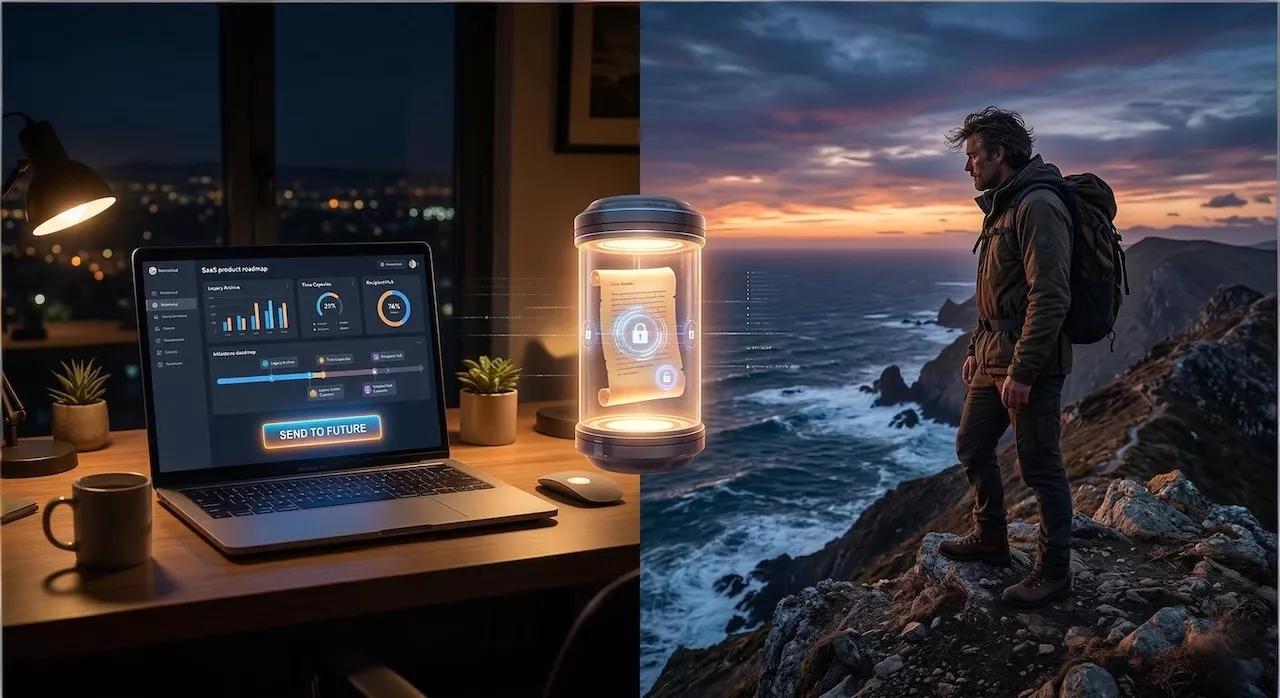
Why I Built EterMail: A Time Capsule for the People I Love Most
I’m a Product Manager who spends all week optimizing for the "immediate now." But getting lost off the grid on a mountain ridge made me realize I had zero infrastructure for the "forever." Here’s why I stopped worrying about conversion rates for a moment and built EterMail—a secure, tamper-proof digital time capsule for the people I love most.
The Most Radical Letter to Your Future Self Is a Promise to Stay Unfinished
The best letter to your future self isn't a memory—it's a mandate. Learn how writing to the version of you still working with love changes everything.

The Ice Tray at Midnight: On Grief, Domestic Minutiae, and the Quiet Work of Becoming Yourself Again
Why do the smallest habits hurt most after someone leaves? A reflection on grief, domestic minutiae, and the quiet moment healing finally begins.