
The 2 AM Architect
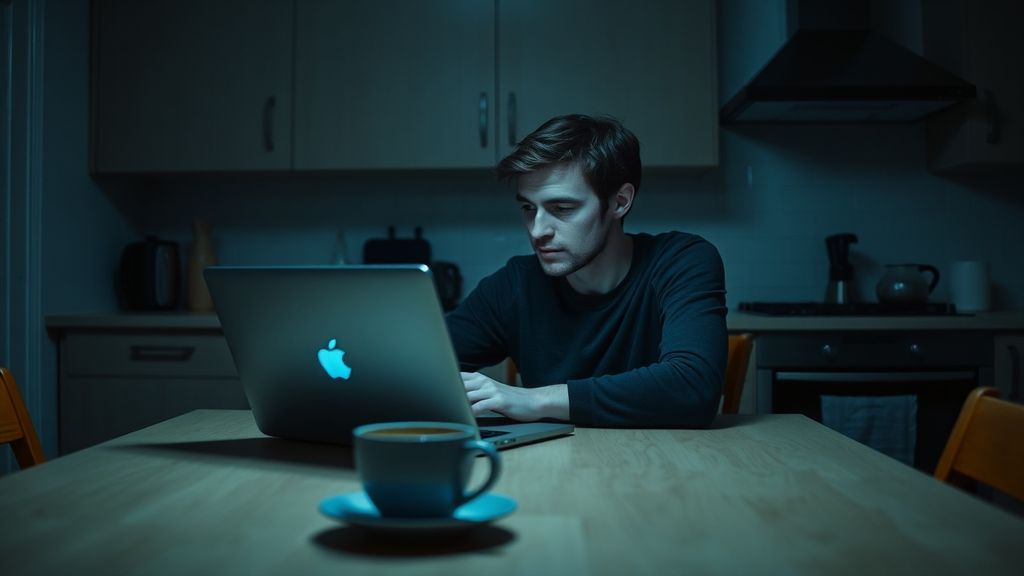
You are awake again. The house breathes in slow rhythm around you, and your laptop screen casts its pale confession across the kitchen table. You are not working. You are not answering emails. You are researching colleges your child has never heard of, mapping subway routes through cities they may never visit, composing the person they might become if only you plan carefully enough.
This is the secret labor of parenthood: the cartography of unlived futures. We become amateur architects in the quiet hours, drafting rooms our children may never want to enter.
I know this terrain intimately. My daughter is seven. She believes her future involves professional unicorn training and a house made entirely of pancakes. Yet I have, in private moments, composed her wedding toast. I have rehearsed apologies for my failures in traffic. I have imagined her at forty, successful by metrics she does not yet possess, grateful for sacrifices she never requested.
These blueprints accumulate. They fill drawers and cloud folders and the spaces between our ribs. And then, one ordinary Tuesday, we unfold them and discover the devastating geometry of our love: we have been building a life for someone who was busy building her own.
The Rooms No One Requested
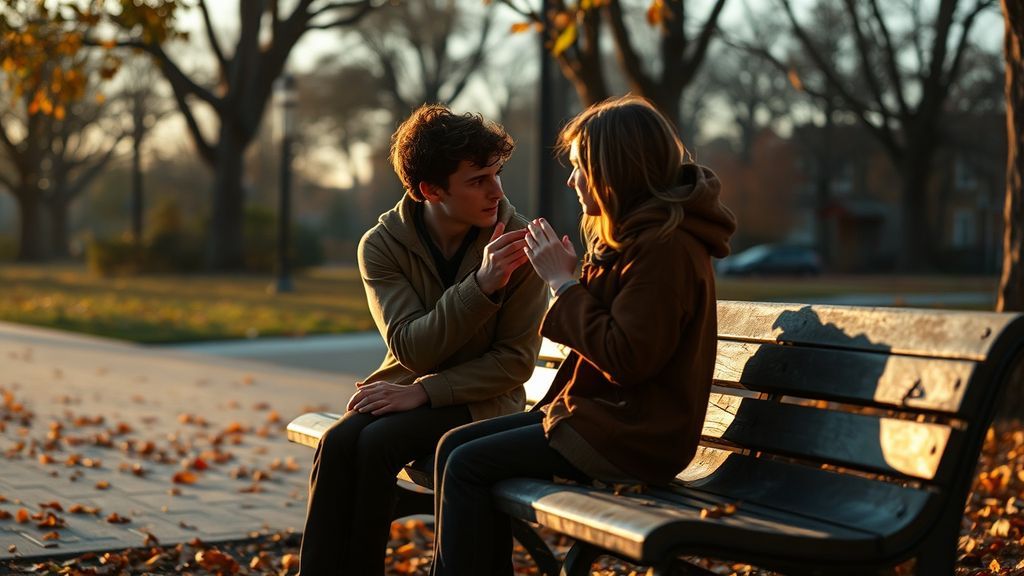
There is a particular shame in recognition. It arrives when your son announces he hates the instrument you invested twelve years in, when your daughter chooses a partner who fails every metric on your invisible checklist, when the career you researched until dawn becomes the one they abandoned by lunch.
We tell ourselves these blueprints were gifts. Generosity rendered in five-year plans and carefully cultivated opportunities. But gifts require consent. And our children were never asked whether they wanted the life we designed.
The bathroom epiphany—that cliché of self-help and cinema—holds particular weight here. I composed my daughter's college application essay in the shower once, constructing a narrative of resilience and growth that required her to have suffered in specific, documentable ways. She had suffered, of course. We all do. But not the suffering I needed for the story. Not the redemption arc I had plotted. Standing in steam and artificial lavender, I realized I was not preparing her for her future. I was preparing her for my past.
This is how the architecture becomes haunted. We build to correct our own unfinished rooms. The law school we abandoned. The marriage that dissolved. The courage we failed to summon. Our children become vessels for our alternate histories, and we mistake this projection for protection.
The Inventory of Unsent Drafts
I have begun cataloging my private constructions. The mental folder labeled Sophia's Future contains:
- Seventeen versions of a graduation speech she will likely never hear me deliver
- Detailed financial projections for a graduate program she has not expressed interest in
- An apology letter for my temper, revised annually, never delivered
- Photographs of apartments in neighborhoods she may never consider
- A wedding toast that assumes heterosexuality, monogamy, and white dresses
This last item shames me most. At seven, she has crushes on characters from animated films regardless of gender. She may marry no one. She may marry many. The toast I composed in the shower assumes a future she may find laughably narrow. I have written her into a room with no windows.
Our cloud storage becomes cluttered with unlived futures: bookmarked articles, saved Pinterest boards, forwarded job postings for careers they never mentioned. We curate lives for people who are busy curating their own, and the notification badges accumulate like dust on abandoned furniture.
The Courage of Controlled Burns
Forestry management teaches us that some forests require fire. The controlled burn clears accumulated debris, returns nutrients to soil, allows light to reach seeds that have waited decades for their moment.
Burning our blueprints requires similar precision. Not the wildfire of rejection, the scorched-earth declaration that we never cared. Something more difficult: the acknowledgment that our love was imperfect, that our architecture was imposing, that our gifts came with invisible mortgages.
I burned my daughter's wedding toast last month. Not literally—though there is something to be said for ritual destruction. I deleted the file. I emptied the trash. I sat with the absence where certainty had been.
The grief surprised me. I had not recognized how much comfort I derived from knowing her future, even a future she might reject. The blueprint was a form of possession. Without it, she became more fully hers. The freedom I claimed to want for her required my own liberation first.
This is the work we rarely discuss in parenting manuals: the ongoing demolition of our own expectations. Each stage requires new blueprints burned. The toddler we imagined becomes the child we have. The child becomes the stranger who shares our features but not our dreams. We must learn to love the stranger, to find in their foreignness not failure but expansion.
The Letters We Actually Send
I have started writing different letters. Not the speeches and toasts and apologies rehearsed in traffic, but something more provisional. More humble. Letters that acknowledge my limitations as architect, my ignorance of her interior life, my hope that she will forgive the rooms I built without asking.
These letters do not assume her future. They do not require her gratitude. They say simply: I was here. I loved you imperfectly. I am trying to learn what you need rather than what I needed to give.

This practice of writing without knowing who will read—it's closer to how I actually spend my nights than I'd like to admit. When I'm not parenting, I'm often alone until 2 or 3 AM, "pair programming" with various AI models, mapping out architectures for systems that don't exist yet. That extreme digital solitude has given me a strange relationship with time. I understand what it means to send messages into a void, hoping something coherent emerges on the other side. The loneliness of those hours taught me that the most important conversations often happen across impossible distances—between present and future selves, between parent and child who no longer exists as you remember her.
The best way to fight forgetting isn't taking another screenshot; it's setting an alarm for the future. By using EterMail to schedule a letter for her eighteenth birthday, her thirtieth, moments of crisis I cannot predict, I completely free myself from the anxiety of the present. I write to her future self without knowing who that self will be, and the platform holds these messages in encrypted suspension, delivering them regardless of whether I approve of the life she has built.
The technology enforces humility. I cannot edit after sending. I cannot recall a letter when she chooses a path I did not anticipate. The words travel forward into her unknown, meeting her as she is rather than as I imagined.
Some parents use EterMail to preserve wisdom, to ensure their voices persist beyond their presence. I use it differently. I use it to practice release. Each scheduled letter is an exercise in letting go, in trusting that love does not require accurate prediction to remain genuine.
The Architecture of Becoming
My daughter will be someone I do not recognize. This is not tragedy. This is the fundamental condition of raising separate consciousness, of participating in a relationship where the other party owes us nothing—not their success, not their gratitude, not their adherence to our blueprints.
The burned blueprints leave ash. From this, something grows that we did not plant. Our children become not our corrections or our continuations, but their own original structures, built from materials we never surveyed.
Our task is not to stop imagining their futures. Love will always generate speculation, hope, private rehearsal. Our task is to hold these constructions lightly, to recognize them as our own psychological furniture rather than their required residence.
I still wake at 2 AM sometimes. The laptop still opens. But now I write to her as she is—seven, unicorn-obsessed, furious about bedtime, magnificent in her particularity. I describe her now so that she will remember who she was when she becomes who she is. I offer no map. Only witness. Only the attempt to see her clearly in this moment, before the moment passes into what I cannot predict or control.
The blueprints burn. The forest clears. And in the space we make, they grow toward light we cannot yet imagine.
What is EterMail?
EterMail is a revolutionary time capsule service that allows you to send messages, photos, and videos to the future (up to 30 years). Seal your memories and thoughts today, and they'll be delivered when the time is right.
Time Capsule
Send messages up to 30 years in the future
Rich Media
Text, photos, and videos supported
Secure & Private
Your memories are safely encrypted
EterMail Team
We're the team behind EterMail, dedicated to helping you preserve and share timeless messages with your loved ones. Our mission is to make it easy to express your love, share your wisdom, and create lasting connections that transcend time.
Frequently Asked Questions about For Our Children
How do I stop projecting my unfulfilled dreams onto my children?
What should I write in a letter to my child's future self?
How can I repair my relationship with a child who rejected the path I planned?
Related Articles

Why I Built EterMail: A Time Capsule for the People I Love Most
I’m a Product Manager who spends all week optimizing for the "immediate now." But getting lost off the grid on a mountain ridge made me realize I had zero infrastructure for the "forever." Here’s why I stopped worrying about conversion rates for a moment and built EterMail—a secure, tamper-proof digital time capsule for the people I love most.

The Most Radical Letter to Your Future Self Is a Promise to Stay Unfinished
The best letter to your future self isn't a memory—it's a mandate. Learn how writing to the version of you still working with love changes everything.
The Ice Tray at Midnight: On Grief, Domestic Minutiae, and the Quiet Work of Becoming Yourself Again
Why do the smallest habits hurt most after someone leaves? A reflection on grief, domestic minutiae, and the quiet moment healing finally begins.