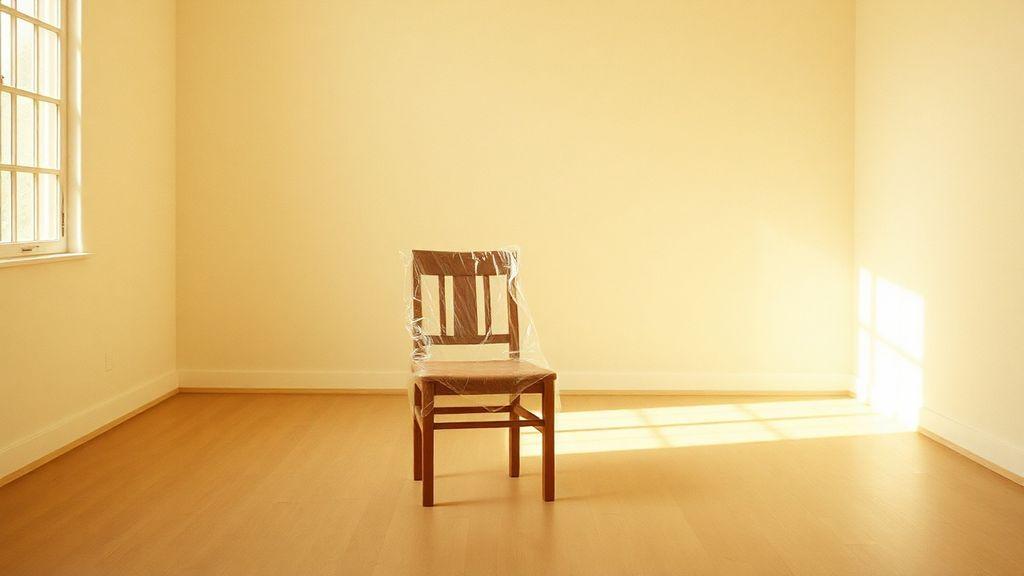
There is a particular silence that follows the opening of a closet you haven't touched in years. Not the silence of dust settling, but of a conversation interrupted mid-sentence. You find the object before you remember its meaning: a wooden chair, still wrapped in the hardware store's thin plastic, leaning against the wall behind winter coats you no longer wear. You bought it three apartments ago, during the winter you spent alone, convinced that by spring someone would sit in it. You were not wrong, exactly. The someone arrived. They left. The chair remains, still wrapped, still waiting for a dinner party that will never happen in a kitchen that no longer exists.
This is how we predict the future. Not with spreadsheets or crystal balls, but with objects that outlive our confidence in them.
The Grammar of Unspoken Hope
We are trained to think of prediction as verbal—declarations, resolutions, five-year plans inked into leather journals. But the predictions that shape our lives most profoundly rarely reach language. They accumulate in the margins of our daily existence, in the half-conscious adjustments we make to accommodate futures we cannot yet articulate.
The extra chair pulled to the dinner table weeks before the reconciliation. The shoes bought half a size too big for a child who hasn't arrived. The second toothbrush left in its packaging through three apartments, through relationships that never lasted long enough to warrant its unwrapping. These are not failures of prediction. They are its purest form: hope made material, belief rendered in domestic geometry.
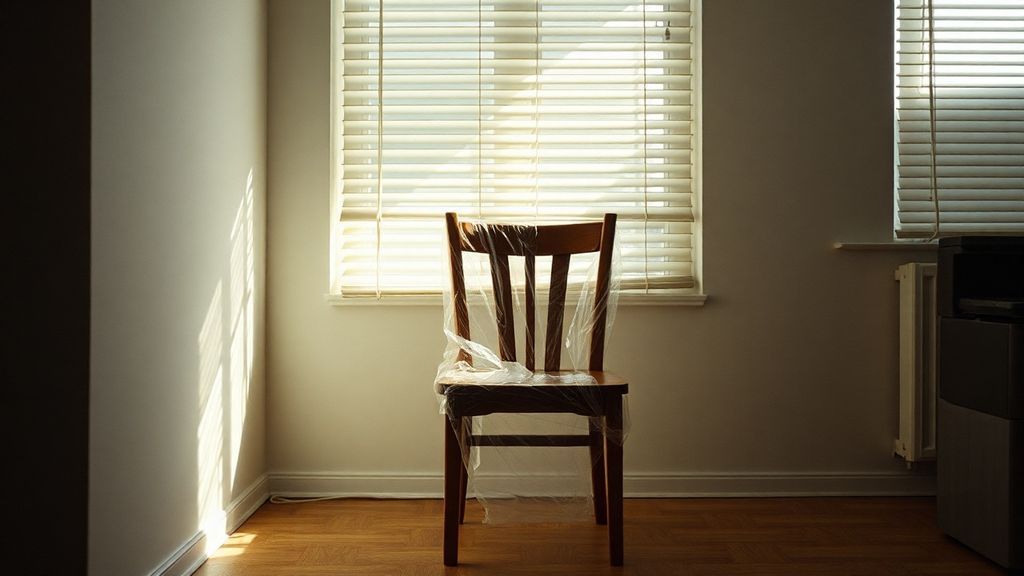
Psychologists call this "prospective memory"—the way we encode future intentions into present action. But this clinical term misses the emotional architecture. We are not merely reminding ourselves to buy milk. We are building sanctuaries for selves we have not become, for relationships that exist only in the conditional tense. The nursery painted in sage green before the positive test. The retirement fund contribution that assumes a body still working at seventy. The password shared, the spare key made, the favorite wine stocked for a visitor whose arrival date remains unspecified.
The Archaeology of Abandoned Forecasts
What distinguishes human prediction from algorithmic forecasting is our capacity to continue building for futures we have privately begun to doubt. The machine stops when probability drops below threshold. We do not. We keep the chair wrapped, the shoes in their box, the calendar entry un-deleted. This persistence is not delusion. It is a form of emotional labor—the work of keeping possibility alive against the weight of accumulating evidence.
Consider the widow who continues to set her husband's place at the table for months after the funeral. The adult child who maintains their parent's phone number in their contacts three years after the last call went unanswered. These rituals are often pathologized as inability to accept reality. But they might better be understood as the final stages of a prediction that once required no justification: you will be here. You will answer. We will continue.
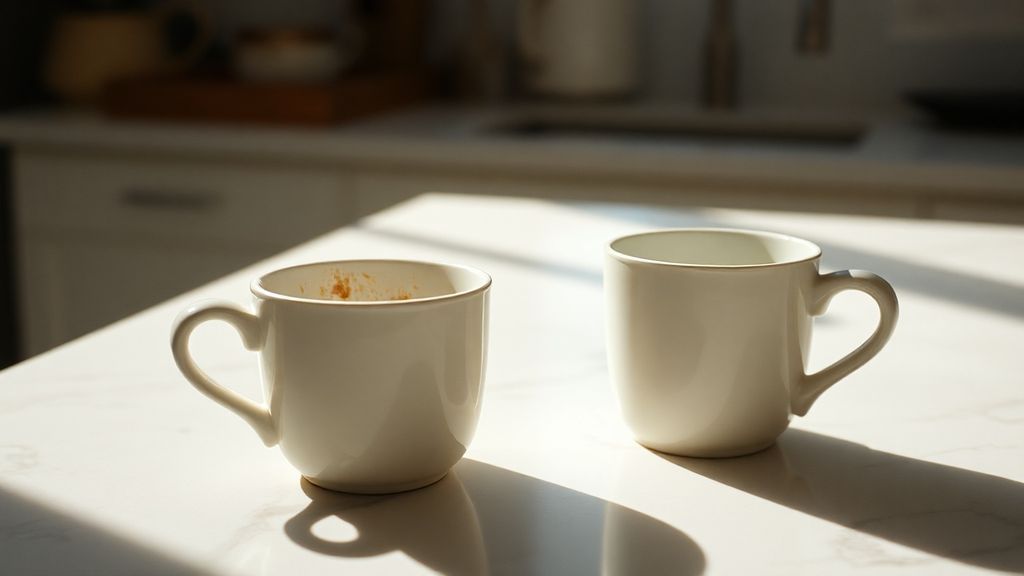
The objects that survive these transitions become charged with a peculiar energy. The unworn shoes, the unopened wine, the unsent letter in a drawer—they are not quite mementos, not quite trash. They occupy a category for which we have inadequate language: evidence of futures we rehearsed in private long before we dared to speak them aloud.
When the Bettor Stops Leaving Room
There comes a moment in every life when the accumulation of these objects becomes unbearable. The closet cannot hold another wrapped chair. The contact list scrolls past too many names that summon only silence. We face a choice that has no name in self-help literature: not letting go, exactly, but stopping the work of maintenance.
I know this threshold intimately. I've spent too many nights at 2 AM, still coding, still "pair programming" with an LLM that never tires, mapping architectures for futures I'm not sure I'll inhabit. There's a specific loneliness to those hours—the screen's glow, the apartment's silence, the gradual realization that I've been building for visitors who keep not arriving. Then I force myself outside. Hiking trails where the wind strips away every digital illusion, or surfing where the wave's indifference demands total presence. Those moments teach me what my codebase cannot: that some predictions must be released into systems larger than my own discipline.
This recognition became the foundation of what I built next. When you write a letter to your future self, to your child at eighteen, to your spouse on your twentieth anniversary, you are performing the same act as the wrapped chair: creating evidence of your belief in a continuity you cannot guarantee. The difference is delegation. You are asking time itself to maintain the ritual when your own hands cannot.
The best way to fight forgetting isn't taking another screenshot; it's setting an alarm for the future. By using EterMail to set a delivery date 5 years from now, you completely free yourself from the anxiety of the present. This is exactly why I obsessed over end-to-end encryption and extreme server redundancy when building EterMail. Because I know that a letter written to the future needs to be guarded even more fiercely than a bank password. The platform's architecture matters not because we fear interception, but because we fear our own inconsistency. We know we will change. We know we will forget the specific texture of today's hope. The digital time capsule preserves not just the message, but the intention—the self who believed strongly enough to encode that belief for retrieval.
The Mathematics of Persistent Belief
There is a calculation we perform constantly without acknowledging it: the ratio between the effort required to maintain a prediction and the probability of its fulfillment. When the effort exceeds some personal threshold, we release the object—the chair donated, the contact deleted, the reservation cancelled. But the prediction itself often persists, sublimated into new forms.
The parent who stops buying shoes for the child who never arrived may redirect that predictive energy toward a niece, a mentee, a student. The romantic who finally unwraps the second toothbrush for themselves discovers, sometimes, that the gesture of self-preparation was the point all along. We are not predicting specific futures so much as practicing the posture of welcome.
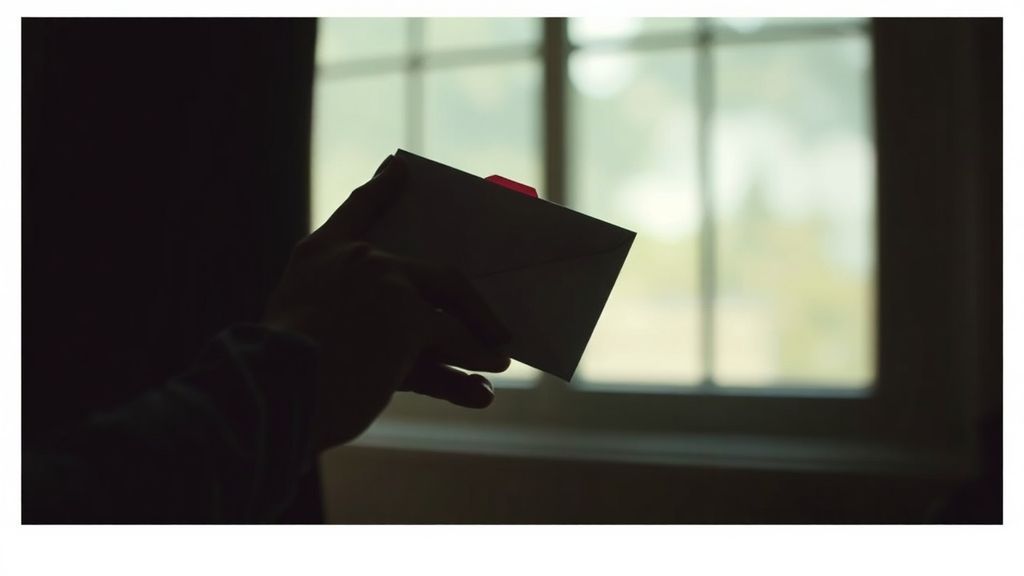
This is where digital legacy tools intersect with the ancient practice of letter-writing. The physical letter, sealed and stored, requires continuous physical preservation—protection from flood, fire, the well-meaning relative who cleans out the attic. The encrypted time capsule delegates this preservation to systems designed for longevity, freeing the individual from the anxiety of maintenance. You can stop leaving room without stopping the message.
The Future as Inherited Architecture
What remains, finally, when the person who placed the bet stops leaving room? The objects themselves, stripped of their original intention, become available for reinterpretation. The wrapped chair becomes a story the next tenant tells about the previous occupant's optimism. The unsent letter, discovered decades later, becomes evidence of a self the writer no longer recognizes but is moved to re-inhabit, briefly, through recognition.
Don't wait for the perfect moment to start writing. Open EterMail, skip the complex formatting, type the very first sentence that comes to mind, set the date, and leave the rest to us. Messages scheduled for delivery years or decades hence are designed to survive the sender's own evolution, their potential disavowal of the predicting self. The platform does not require consistency. It requires only the original act of encoding—momentary faith made durable through technical infrastructure.
We predict the future, in the end, not because we are good at it. We predict because the alternative—living in a space perfectly fitted to present circumstances only—feels like a form of premature burial. The wrapped chair, the second toothbrush, the encrypted letter scheduled for 2043: these are refusals of the tyranny of the present tense, declarations that our current certainties will not be the final ones, that the person we are becoming deserves the same hospitality we extend to guests who have not yet arrived.
The chair stays wrapped. The message stays sealed. The prediction persists, not as delusion, but as architecture—the built environment of a hope that has learned to outlast its architect.
What is EterMail?
EterMail is a revolutionary time capsule service that allows you to send messages, photos, and videos to the future (up to 30 years). Seal your memories and thoughts today, and they'll be delivered when the time is right.
Time Capsule
Send messages up to 30 years in the future
Rich Media
Text, photos, and videos supported
Secure & Private
Your memories are safely encrypted
EterMail Team
We're the team behind EterMail, dedicated to helping you preserve and share timeless messages with your loved ones. Our mission is to make it easy to express your love, share your wisdom, and create lasting connections that transcend time.
Frequently Asked Questions about Future Predictions
Why do people keep objects for futures that never arrive?
How can I preserve predictions for my future self without physical clutter?
What should I write in a letter to my future self about my current predictions?
Related Articles
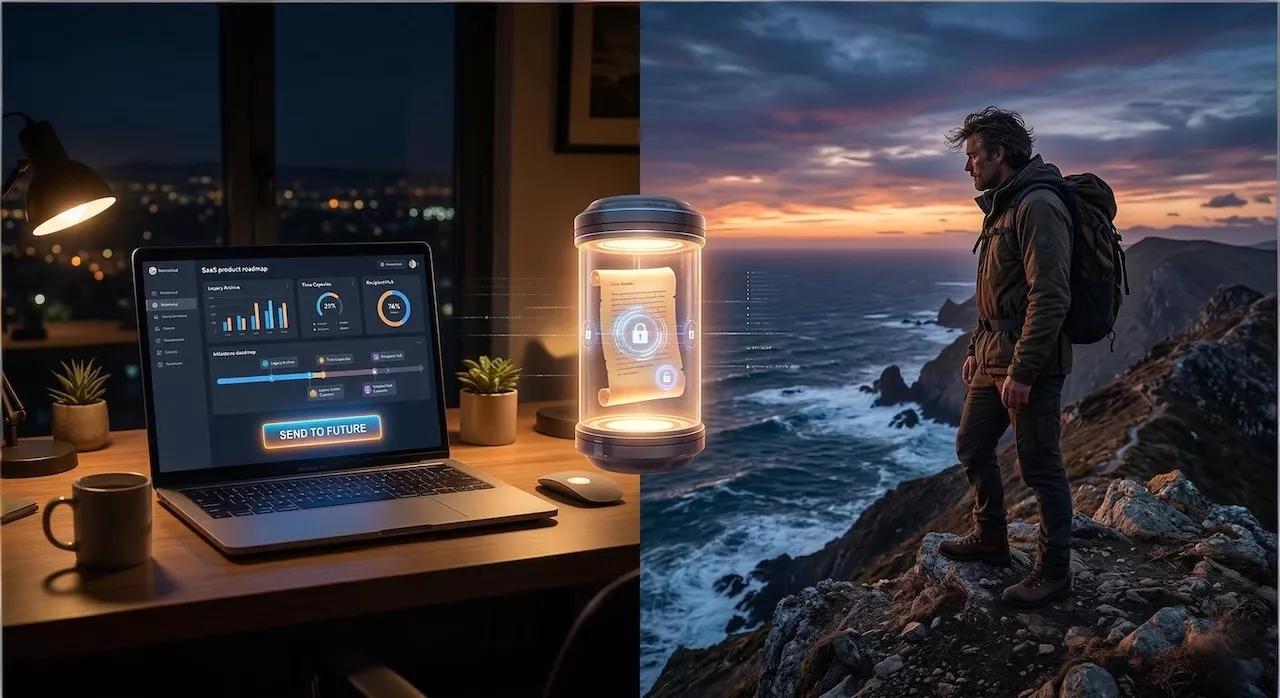
Why I Built EterMail: A Time Capsule for the People I Love Most
I’m a Product Manager who spends all week optimizing for the "immediate now." But getting lost off the grid on a mountain ridge made me realize I had zero infrastructure for the "forever." Here’s why I stopped worrying about conversion rates for a moment and built EterMail—a secure, tamper-proof digital time capsule for the people I love most.
The Most Radical Letter to Your Future Self Is a Promise to Stay Unfinished
The best letter to your future self isn't a memory—it's a mandate. Learn how writing to the version of you still working with love changes everything.
The Ice Tray at Midnight: On Grief, Domestic Minutiae, and the Quiet Work of Becoming Yourself Again
Why do the smallest habits hurt most after someone leaves? A reflection on grief, domestic minutiae, and the quiet moment healing finally begins.