The Mole on My Shoulder, My Mother's Hip
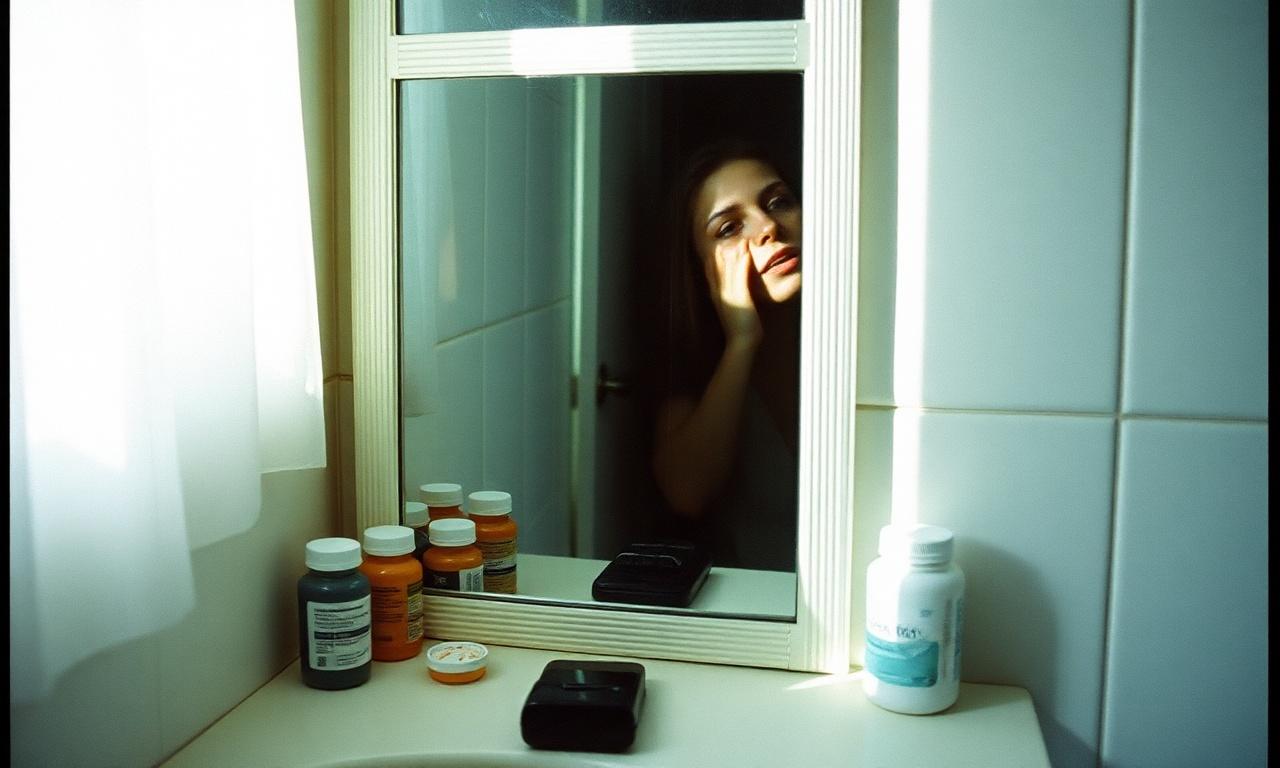
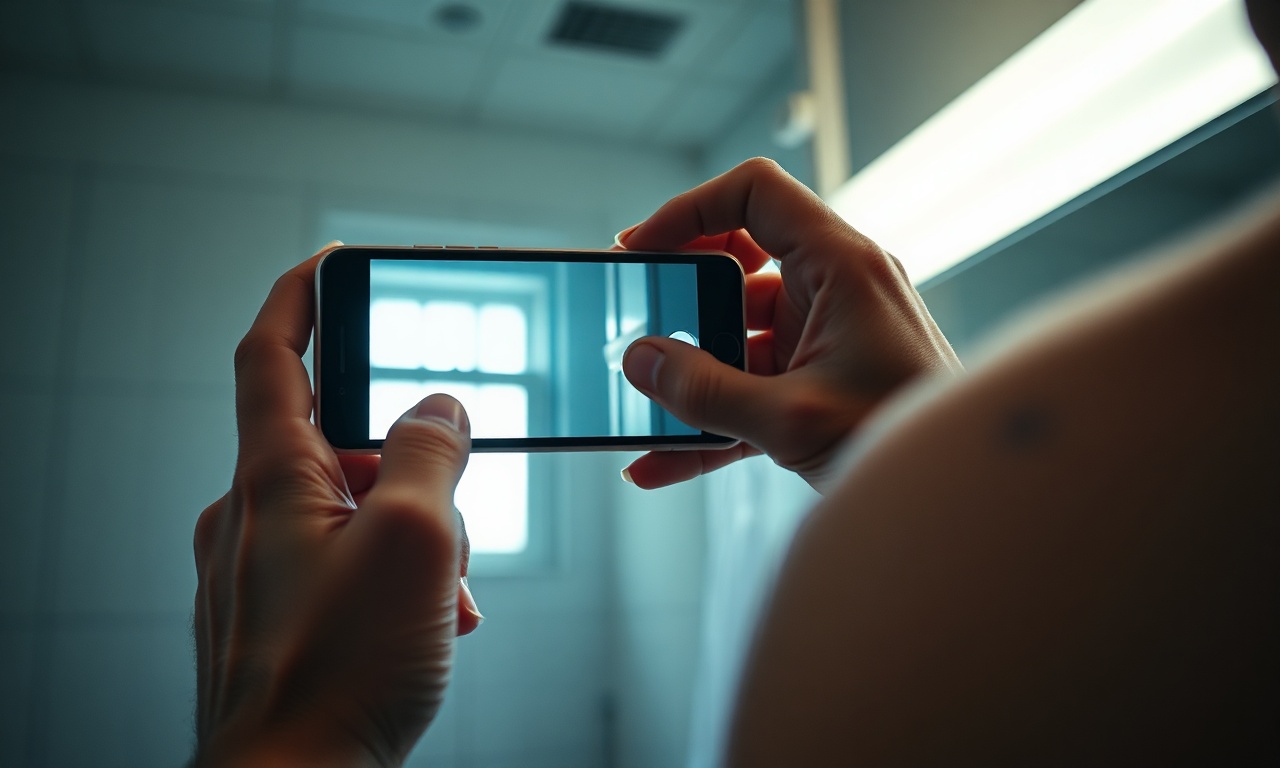
I started photographing the mole on my left shoulder after my cousin's melanoma surgery. Every six months, standing in the same bathroom light, I hold my phone at the same angle and capture something that has never changed. The images accumulate in a hidden album: Mole2021, Mole2022, Mole_2023. I have never shown them to a dermatologist. I have never needed to. The act itself is the point—a private ritual of prophecy, a bet placed against a future I cannot see but insist on anticipating.
This is how many of us live now. We are amateur oracles of our own bodies, accumulating data and talismans in medicine cabinets and app dashboards, performing daily divinations we barely acknowledge as such. The calcium supplements after a parent's fracture. The sleep tracker logging REM cycles for a heart we secretly believe will betray us. The annual photograph of a freckle that looks, if we are honest, exactly the same as it did three years ago.
The Architecture of Private Forecasting
We do not call these acts prediction. We call them prevention, responsibility, self-care. But beneath the clinical language lives something older and more anxious: the human need to believe we can read the future in present signs, that enough attention paid will translate into control gained.
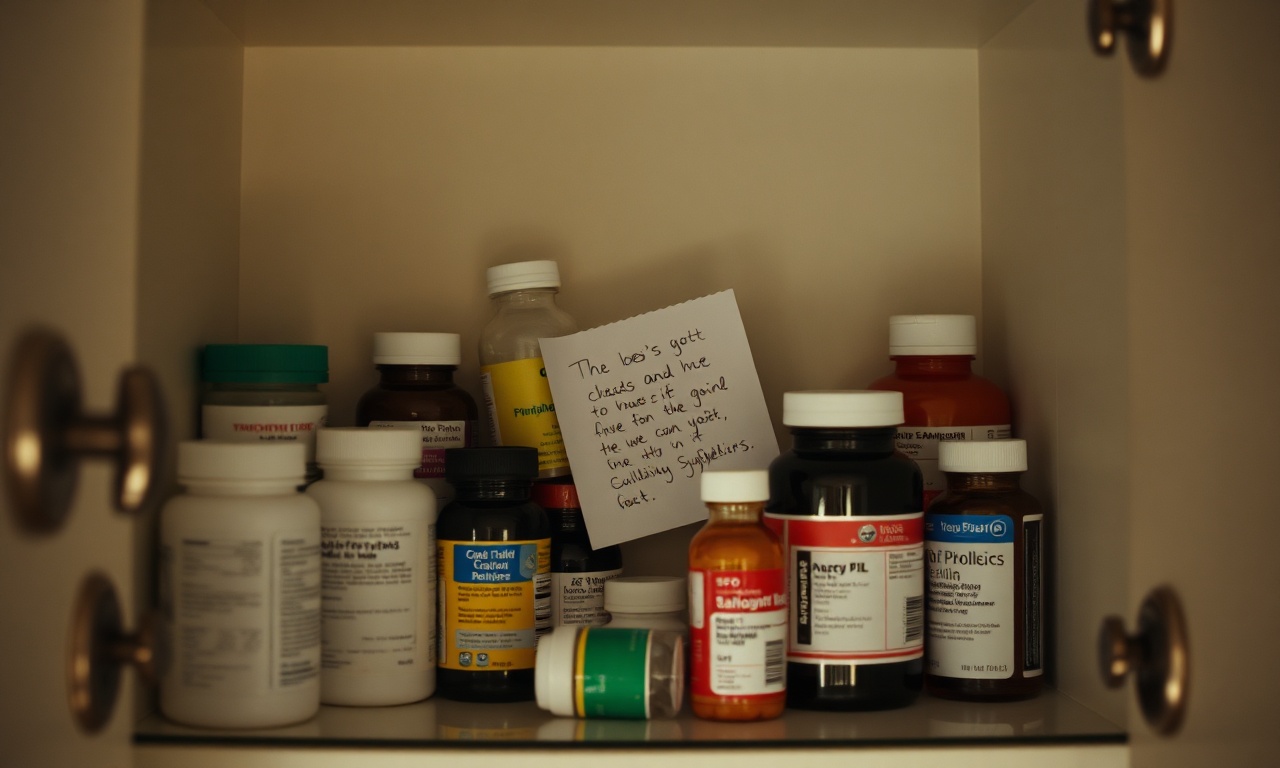
Consider what accumulates in the average medicine cabinet by age forty. The magnesium for the cramp that might mean something worse. The baby aspirin carried after a father's first stent. The blood pressure monitor still in its box, purchased the week a college roommate collapsed at his desk. Each object represents a story absorbed, a warning heeded, a future self addressed in the conditional tense: if I become him, if this happens to me.
These private health forecasts operate on a logic part statistical, part magical. We know, rationally, that a photograph cannot prevent cancer. Yet we cannot stop taking them. The ritual creates a narrative of vigilance that soothes even when it does not protect. We are writing letters to a body that does not yet exist—the body in crisis, the body receiving bad news, the body we hope to catch in time.
The Dashboard as Confessional
Sleep trackers and heart rate monitors have transformed this private prophecy into data visualization. We wake to graphs that purport to tell us how we slept, as if sleep were a performance we could grade. The green arc of deep sleep becomes reassurance; the red spike of wakefulness, evidence of failure. But what are we really tracking? Not sleep, exactly. We are tracking our trustworthiness as predictors, accumulating evidence that we are paying attention, that we have not missed the signs.
My own relationship with my sleep tracker ended after eighteen months. I realized I was sleeping worse because I was anxious about what the tracker would report. The prophecy had become self-fulfilling in reverse: the tool meant to predict problems was creating them. Yet I still occasionally wear it before doctor's appointments, as if the data might plead my case, prove I have been vigilant, show that I deserve good health because I have monitored it so diligently.
This is the unspoken bargain of health technology: we trade anxiety for the illusion of preparation, data for the feeling of control. The dashboard becomes a confessional where we admit our fears in numbers, hoping the algorithm will absolve us or at least warn us in time.
The Supplements We Cannot Stop Taking
My mother began taking calcium after her own mother's hip fracture. She has never fractured anything. Her bone density tests remain unremarkable. Yet the calcium travels with her, a daily act of filial prophecy, a refusal to become the woman on the kitchen floor she found at seventy-three. The supplement is not medical at this point. It is a letter written in pill form, addressed to a future self she is determined to redirect.
We underestimate how much of adult health behavior operates this way—not in response to present symptoms but in anticipation of inherited futures. The runner whose father died at fifty-four. The vegetarian whose aunt's colon cancer appeared at sixty. The teetotaler tracing a lineage of cirrhosis back three generations. Each choice is a prediction dressed as prevention, a bet that behavior can outrun biology, that ritual can rewrite inheritance.
What We Invent, What We Ignore
The psychologist Daniel Kahneman wrote that humans are poor intuitive statisticians, prone to overweighting recent and vivid information. Our private health prophecies suffer this distortion constantly. The cousin's melanoma looms larger than population statistics; the friend's heart attack at forty-five becomes more predictive than actuarial tables. We build our forecasts from the stories that frightened us most, not from the data that might calm us.
Yet we simultaneously ignore what does not fit our narrative. The sleep tracker logs elevated heart rate variability for weeks, but we attribute it to work stress, not the arrhythmia we secretly fear. The mole photograph shows subtle change, but we delete it, take another, adjust the light. We are selective prophets, attentive to signs that confirm our anxieties, blind to those that might validate our health. The medicine cabinet fills with protections against dramatic failures while ordinary maintenance—blood pressure checks, scheduled screenings, honest conversations with doctors about family history—goes neglected.
This is the central paradox of bodily prediction: we are simultaneously too alarmed and too complacent, inventing crises to monitor while missing the mundane vigilance that might actually help.
Writing to the Body You Fear Becoming
What would it mean to address this future self directly—not through supplements and trackers, but through words? To write to the body you fear becoming, and also to the body you hope to preserve?
This is where the practice of future-facing communication offers something data cannot. A letter to your future self cannot prevent illness. It does not replace screening or substitute for medical care. But it does something the sleep tracker cannot: it acknowledges the person doing the predicting, the fear and hope and magical thinking that drive the rituals. It makes visible the emotional architecture beneath the behavioral one.
I tried this recently, using a service that would deliver the letter in five years. I wrote to the mole on my shoulder, to the heart I monitor, to the hips I hope will carry me up stairs at eighty. I admitted my selective attention, my Kahneman distortions, my simultaneous invention and ignorance of signs. The letter was not medical advice. It was an account of who I was when I was still healthy enough to worry about becoming otherwise—a snapshot of the predicting mind, which is, after all, the only instrument we have for forecasting anything.
The Value of Witnessing Yourself Predict
There is something in the act of recording present anxiety for future reading that interrupts the loop of private prophecy. When you know your current fears will be visible to a future self, you write with more honesty than you bring to your tracker dashboard. You admit uncertainty. You acknowledge that you might be wrong, that the mole might mean nothing, that the calcium might not matter, that you are guessing like everyone else.
This honesty has practical value. The documented prediction becomes testable. Five years later, you can compare what you feared with what occurred. You can see patterns in your forecasting—what you consistently overestimated, what you failed to imagine. You can learn, slowly, to be a better prophet, or at least a more conscious one.
More importantly, you create continuity between the self who worried and the self who arrived. The medicine cabinet clears out, supplements expire, trackers upgrade and disappear. But a letter persists as evidence that someone cared enough to pay attention, to perform the ritual of prophecy with full awareness of its limitations.
Betting on a Future You Cannot See
I spend a lot of nights alone with a screen, building things. As a founder who's shipped products across e-commerce, games, and now SaaS, I've grown comfortable with the solitude of long builds—the 2 AM architecture sessions, the API wrestling, the cold server deployments. But that same digital intensity taught me something I didn't expect: the most important bridges we build aren't between systems, but between versions of ourselves. Between the person staring at the monitor at 3 AM and the person who will eventually need what that person made.
The best way to fight forgetting isn't taking another screenshot; it's setting an alarm for the future. By using EterMail to set a delivery date 5 years from now, you completely free yourself from the anxiety of the present. You stop hoarding data and start building continuity. The letter becomes something the tracker can never be: a witness that waits patiently, without demanding your attention tonight.
We will not stop predicting. The photograph of the mole will continue. The calcium will be swallowed. The tracker will log another night. These rituals are too deeply woven into how we manage mortality, how we maintain hope against the evidence of entropy and inheritance.
But we can become more conscious architects of our private forecasts. We can ask: What story am I really telling here? What fear drives this ritual? What am I ignoring while I attend to this? And we can write it down—not as data, but as narrative, as confession, as letter to a self who will one day read it with the advantage of hindsight we cannot access.
The body you fear becoming deserves to know that you tried to see it coming. The body you hope to preserve deserves to know that you noticed it while it was still worth noticing. Neither letter will change the outcome. Both change the quality of attention you bring to the only body, the only moment, you actually have.
The mole on my shoulder remains unchanged. The photographs continue. But now they sit alongside something else: a letter to the self who will one day find change, or not, who will read these words and know that the prophecy was never really about prediction at all. It was about refusing to let the future arrive unwitnessed.
EterMail helps you send letters to your future self, creating a lasting record of who you were when you still had the luxury of worrying. Because the most important prediction is the one you make with your eyes open.
What is EterMail?
EterMail is a revolutionary time capsule service that allows you to send messages, photos, and videos to the future (up to 30 years). Seal your memories and thoughts today, and they'll be delivered when the time is right.
Time Capsule
Send messages up to 30 years in the future
Rich Media
Text, photos, and videos supported
Secure & Private
Your memories are safely encrypted
EterMail Team
We're the team behind EterMail, dedicated to helping you preserve and share timeless messages with your loved ones. Our mission is to make it easy to express your love, share your wisdom, and create lasting connections that transcend time.
Frequently Asked Questions about Future Predictions
Why do people develop rituals to predict their own health problems?
How can writing to my future self help with health anxiety?
What is the difference between health monitoring and health prophecy?
Related Articles
Why I Built EterMail: A Time Capsule for the People I Love Most
I’m a Product Manager who spends all week optimizing for the "immediate now." But getting lost off the grid on a mountain ridge made me realize I had zero infrastructure for the "forever." Here’s why I stopped worrying about conversion rates for a moment and built EterMail—a secure, tamper-proof digital time capsule for the people I love most.

The Most Radical Letter to Your Future Self Is a Promise to Stay Unfinished
The best letter to your future self isn't a memory—it's a mandate. Learn how writing to the version of you still working with love changes everything.
The Ice Tray at Midnight: On Grief, Domestic Minutiae, and the Quiet Work of Becoming Yourself Again
Why do the smallest habits hurt most after someone leaves? A reflection on grief, domestic minutiae, and the quiet moment healing finally begins.