The Inheritance No One Prepares You For
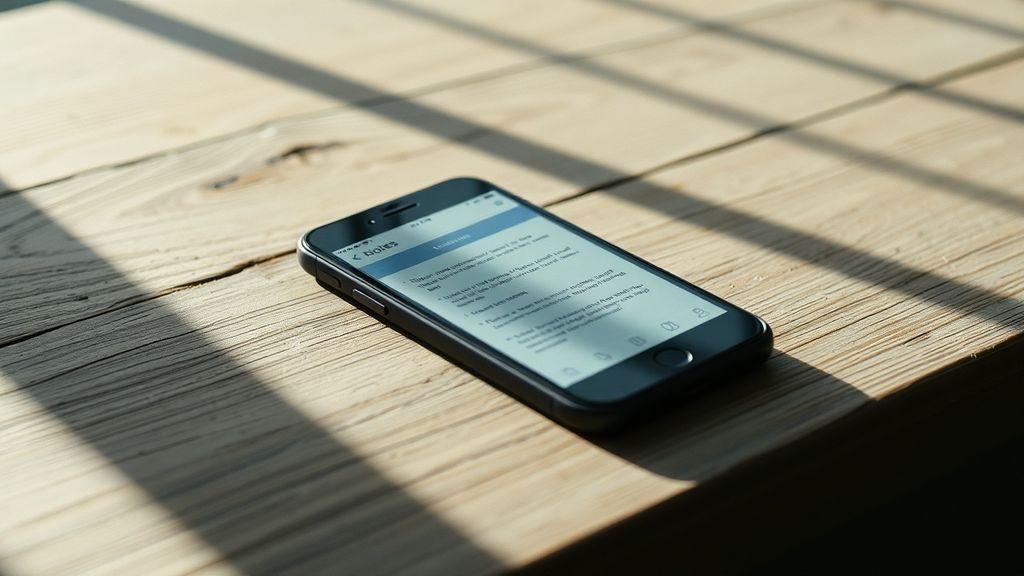
The password was his birthday backward. You type it in without thinking, muscle memory from years of borrowing his phone to take photos, to look up directions, to settle some trivial argument about when the concert started. The screen unlocks. The Notes app glows with a red badge: 247.
You don't open it right away. You can't. You sit with the phone in your palm, feeling the weight of it—lighter than you expected, heavier than you can bear. This is not the leather-bound journal you imagined finding. This is not the poetry you hoped he wrote. This is something else entirely. Something that didn't exist when your parents buried their parents.

The Intimacy of Unfinished Thoughts
You tap. The list unfolds like a scroll you weren't meant to read, yet cannot stop reading.
"pick up her dry cleaning — Tuesday"
"remember she hates cilantro, not parsley, CHECK BEFORE ORDERING"
"ask about the dream she had last night — she seemed shaken"
Each entry is timestamped to the final months, when his hands shook too badly to type straight. You can see it in the typos: "remeber," "cilantr," "shakne." The autocorrect suggestions he ignored. The cursor blinking where he gave up.
You realize, with the slow horror of recognition, that he spent his last coherent hours trying to remember you into the future.
This is the paradox of our digital age: we leave behind more documentation of our daily love than any generation before us, yet we have no rituals for receiving it. No funeral rites for the cloud. No elegies for the unread notification.
What We Mean by Digital Legacy
The term sounds clinical. Estate planners use it. Tech companies trademark it. But strip away the jargon and you're left with something far more elemental: the scattered evidence of who we were trying to become for each other.
Your husband's Notes app was not a diary. It was something more vulnerable—a system. A desperate architecture for holding onto competence, for proving he could still care for you in the ways that mattered. The dry cleaning. The cilantro. The dream you mentioned in passing and he couldn't bear to forget.
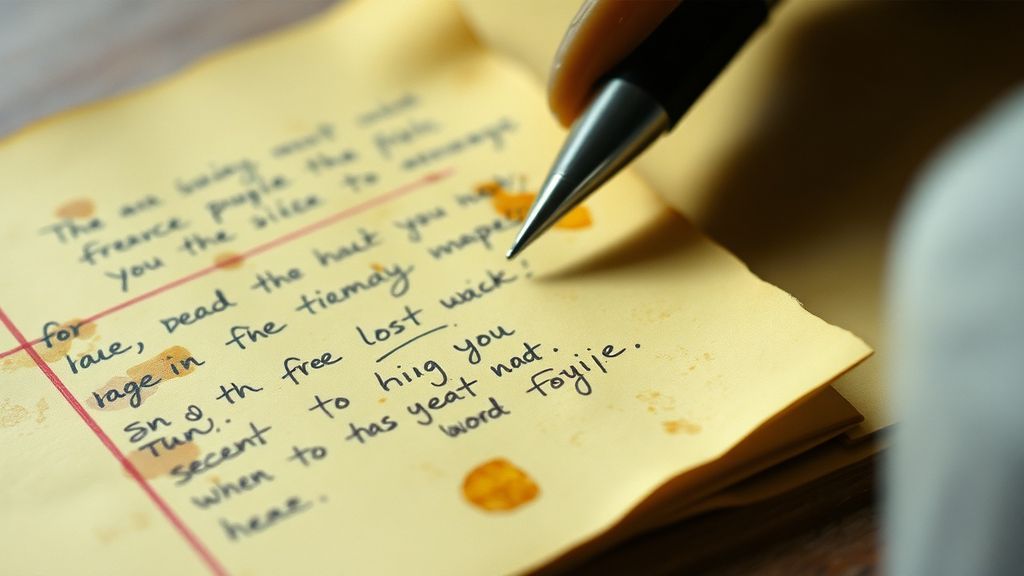
We have misunderstood digital legacy. We worry about bank passwords and social media accounts, about who will control our Instagram after we die. But the true inheritance is smaller, more piercing: the 3 AM search history. The abandoned drafts. The reminders set for anniversaries that would never arrive.
The Archaeology of Ordinary Devotion
You scroll further. The timestamps grow more erratic. 4:47 AM. 2:13 AM. The hour when pain outlasts sleep and the only available action is to plan, to organize, to prepare.
"call her sister — she mentioned feeling distant"
"renew museum membership — she loves the Rothko room"
"learn to make that soup, the one with the —"
The sentence ends there. You will never know which soup. You will spend the rest of your life wondering if it was the minestrone from that rainy Saturday in October, or the butternut squash you craved through the long winter of his illness.
This is digital archaeology in its purest form: excavating not grand monuments but the debris of daily devotion. The archaeologist of ancient Rome studies pottery shards to understand trade routes and religious ritual. You study these fragments to understand how love persists when the body fails.
The Unbearable Weight of Access
There is a cruelty to digital memory that physical objects do not possess. His handwritten letters—you have three—sit in a drawer. You choose when to touch them. But his phone pings. His apps update. His cloud storage sends you notifications: "Your storage is almost full."
You cannot archive grief. You cannot drag it to a folder and forget.
And yet. There is also something here that previous widows did not have. Your grandmother inherited her husband's silence, his absence, the stories she could no longer verify. You inherit evidence. You inherit the timestamp that proves he was thinking of you at 3:47 AM on a Tuesday in March, when you had long since fallen asleep believing yourself alone in your worry.
What We Owe the Future
You begin to understand, slowly, that this is not merely about what you have found. It is about what you will leave.
Your own Notes app contains its own archaeology. Drafts of texts you never sent. Lists of his medications from the final weeks. A voice memo from the hospital parking lot, 2 AM, where you practiced saying "I'm ready" until the words became true.
Who will inherit your digital unfinished? What will they find in your search history, your abandoned drafts, your 4 AM attempts to remember someone into the future?
The technology that scattered his attention across 247 unsent notes also offered something your grandparents never had: the possibility of intention. The chance to compose, to schedule, to deliver words across time with the deliberation that hurried illness denied him.
The Practice of Deliberate Legacy
I've spent too many nights alone with glowing screens—pair programming with LLMs until 3 AM, mapping architectures for products that might outlast me—to believe technology is the enemy of presence. The opposite, actually. When I'm hiking steep trails or surfing cold water, the raw reality of wind and wave strips away every digital illusion. I come back to the keyboard knowing exactly what matters: building bridges between who we are now and who we might become for the people we love.
You find yourself writing differently now. Not because you expect to die—though you do, more acutely than before—but because you have seen what remains. The accidental archive. The uncurated self.
The best way to fight forgetting isn't taking another screenshot; it's setting an alarm for the future. By using EterMail to schedule a letter for your niece's 21st birthday, or a confession of love for your partner's 50th, you completely free yourself from the anxiety of the present. You compose knowing she will read it in a body you cannot imagine, in a world you will not see. You take the time he did not have: to revise, to choose the right word, to admit the failures you hope she will forgive.
This is the strange gift of his 247 notes. They taught you that love wants to persist, even when the hands shake, even when the syntax fails. The technology simply holds what we pour into it. The question is whether we pour with intention, or whether we leave only the debris of our distraction.
The Future of Our Past Selves
You keep his phone charged. You do not delete the Notes app, though you have transferred the entries—typos and all—to somewhere safer. Somewhere scheduled. Somewhere that will outlast the device, the operating system, the company that made them both.
You have learned that digital legacy is not a problem to solve but a practice to begin. The password. The platform. The persistence format. These are merely containers. What matters is the sentence you finish before the cursor stops blinking. The reminder you set for someone else's future. The dream you ask about, even when you know you will not hear the answer.
His final note, you discover, was not a reminder at all. It was a single line, dictated to Siri at 5:23 AM, three days before the end:
"Tell her I was trying to remember everything."
You did not need to be told. You had the timestamps. You had the archaeology. You had 247 proofs that love, even when it cannot complete itself, leaves its evidence scattered across the cloud, waiting for the hands that will inherit it.
What We Carry Forward
You close the app. You set down the phone. You open your own Notes and begin:
"To whoever finds this..."
The cursor blinks. You have time. You have intention. You have seen what remains when we do not take these tools seriously—how beautiful the debris, how heartbreaking the incompleteness.
The digital legacy we deserve is not accidental. It is composed, scheduled, delivered with the full weight of our knowing. The love letter that arrives on the anniversary we will not see. The advice to the child at the milestone we cannot witness. The admission of failure, the request for forgiveness, the final proof that we were paying attention.
Your husband's hands shook. He typed anyway. You will do better—not because your love is greater, but because you have seen what remains, and you have time to shape it.
The password is still his birthday backward. You type it in. You begin.
What is EterMail?
EterMail is a revolutionary time capsule service that allows you to send messages, photos, and videos to the future (up to 30 years). Seal your memories and thoughts today, and they'll be delivered when the time is right.
Time Capsule
Send messages up to 30 years in the future
Rich Media
Text, photos, and videos supported
Secure & Private
Your memories are safely encrypted
EterMail Team
We're the team behind EterMail, dedicated to helping you preserve and share timeless messages with your loved ones. Our mission is to make it easy to express your love, share your wisdom, and create lasting connections that transcend time.
Frequently Asked Questions about Digital Legacy
What should I include in a digital legacy for my loved ones?
How do I preserve digital memories without overwhelming my family?
Is it healthy to read a deceased loved one's private digital communications?
Related Articles
The Bureaucracy of Grief: When Digital Housekeeping Becomes the Final Goodbye
Why deleting a deceased partner's Netflix profile hurts more than their closet. Explore the invisible labor of digital grief and how to preserve what matters.

The Cart She Left Behind: On Digital Ghosts and the Intimacy of Abandoned Errands
When a loved one dies, their digital remains linger in grocery carts, drafts, and calendars. What do we owe these frozen moments of ordinary love?
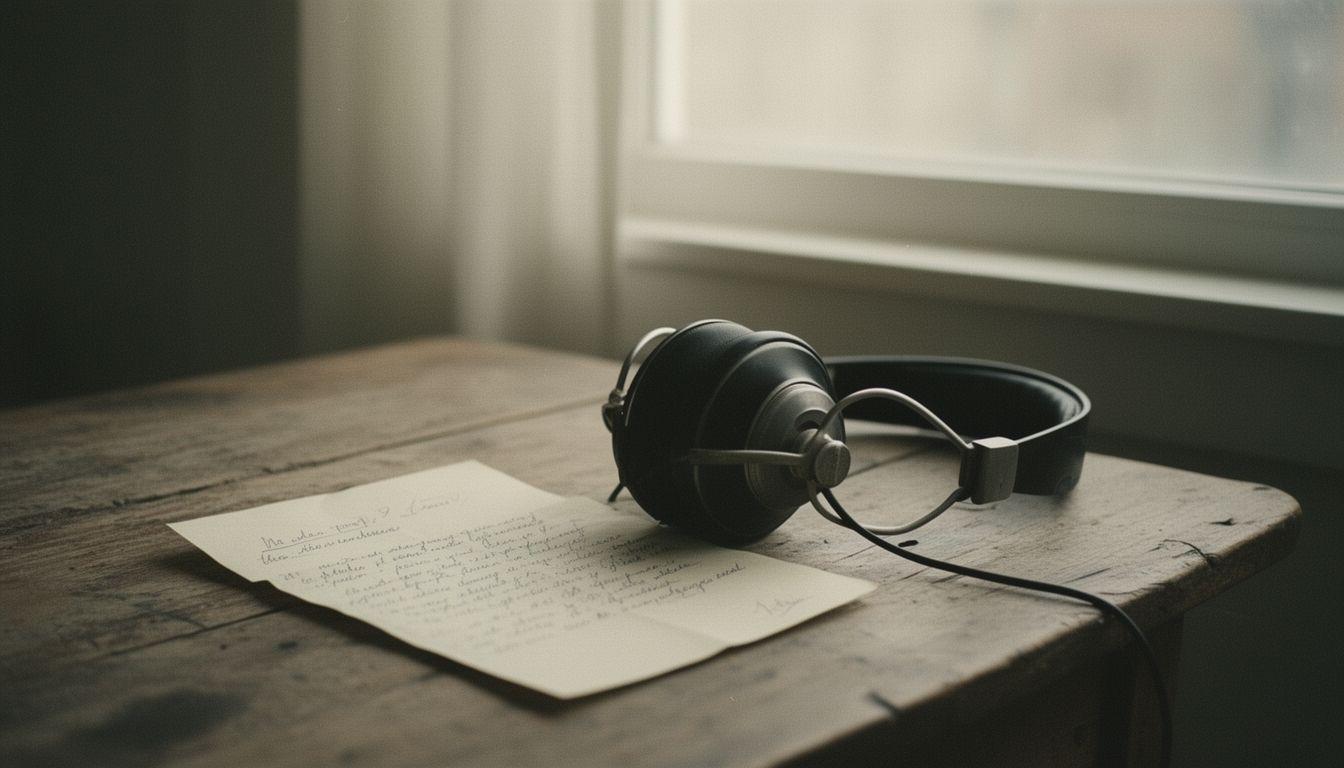
The Playlist He Left Behind: On Listening to the Dead and the New Intimacy of Digital Afterlives
When my brother died, I found his final Spotify playlist. What does it mean to inherit someone's digital soul—and do we have the right to press play?