The Afternoon You Move the Couch
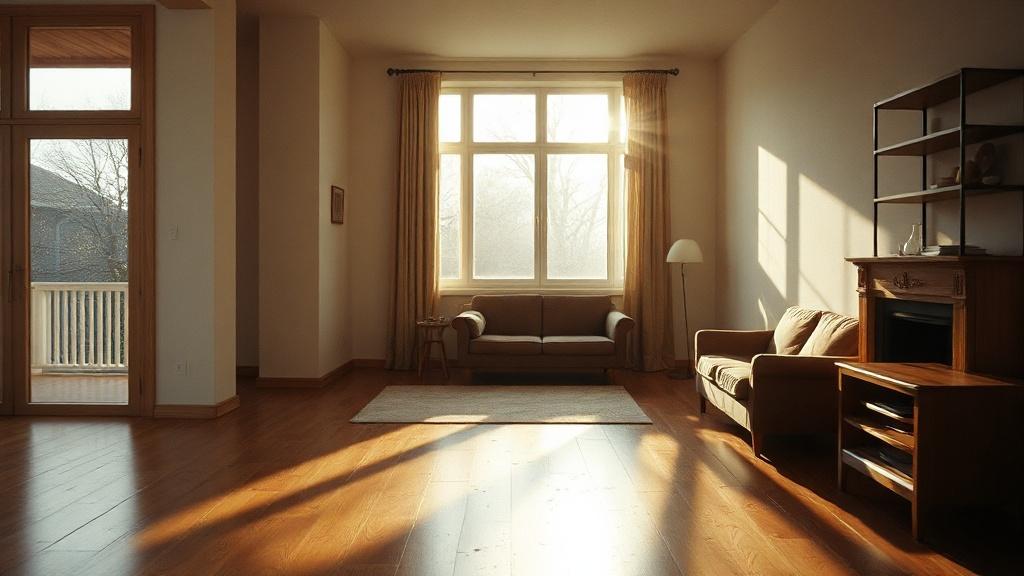
There comes an afternoon when you finally rearrange the living room furniture. The couch they always insisted stay beneath the window. The reading chair angled toward a lamp that no longer needs to light their page. You don't consult their preference. You just push and pull until the room breathes differently.
The first time I did this, three months after my father's death, I stood in the center of the rearranged space and waited for something terrible to happen. The guilt arrived on schedule, sharp and familiar. But something else came too—a draft of air I hadn't felt in years, a path of afternoon light that now reached the floor where the couch had been. The room had become navigable again.
This is the strange, territorial grief of reclaiming physical space. It is not the dramatic purge of belongings, the giving away of clothes, the sorting of papers. It is smaller and more insidious. The closet you reorganize without their system. The garden path you reroute. The wall where you hang something bright over the shadow their favorite painting left behind. Each act feels like trespassing, until slowly it doesn't.
The Museum of Their Comfort
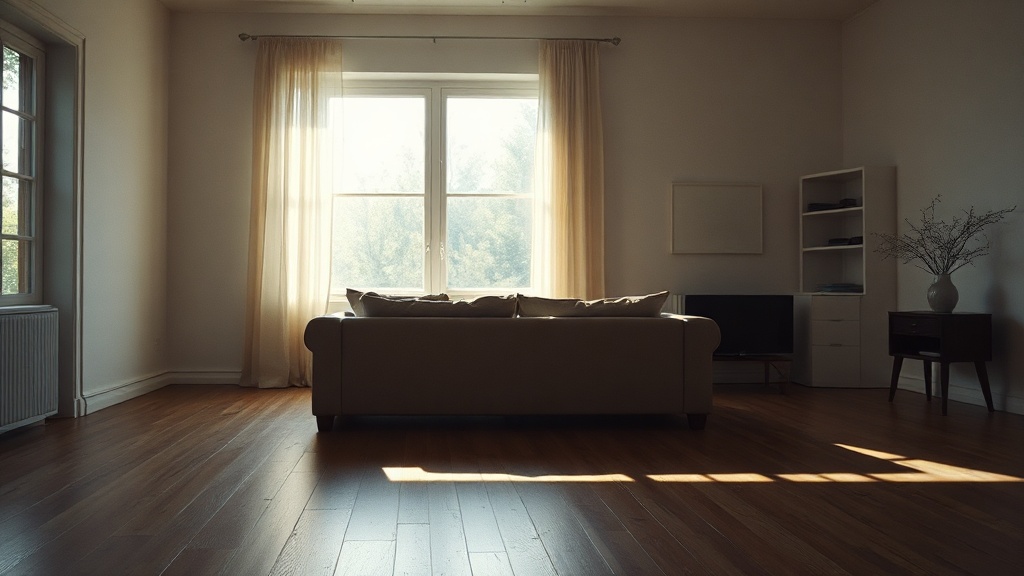
We preserve spaces in the aftermath of loss with a devotion that would impress any curator. The half-finished crossword on the side table. The particular way the bathroom towels were folded. The brand of tea that no one in the house actually enjoyed but remained stocked because it was theirs. These become exhibits in a museum we maintain without admission fees, without visitors, often without conscious intent.
The museum serves a purpose in early grief. It holds the shape of the person who is no longer there to fill it. The reading chair angled toward the lamp becomes a placeholder for the body that once settled into it. The couch beneath the window preserves the silhouette of someone watching the street below. These arrangements are not merely habits we fail to break. They are architectures of continuation, desperate negotiations with permanence.
But museums are not built for the living. They are built to freeze time, to preserve what cannot be preserved, to allow visitation without interaction. And at some point—different for everyone, impossible to predict—we begin to understand that we are still alive inside this exhibit. That our own bodies need space to move, to change temperature, to make noise. That we have been holding our breath in rooms designed for stillness.
The Geography of Permission
What does it mean to heal when you stop preserving the museum of their comfort and start building a room that answers only to your own body?
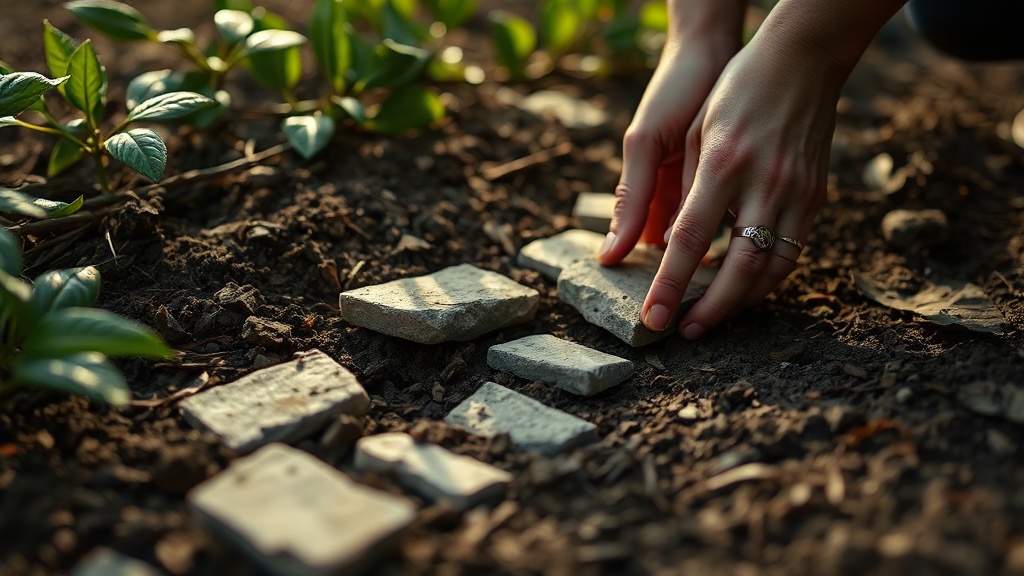
I think it means granting yourself permission to occupy space again. Not as a caretaker of someone else's memory, but as a person with your own requirements for light, for airflow, for the placement of your feet when you walk across a floor. The first time I rerouted the garden path my mother had designed—her precise curve of stepping stones through the hostas—I felt I was erasing her. Now I understand I was simply choosing where my own feet would land. The hostas remain. The curve she designed still exists in photographs, in the memory of my walk through it as a child. But the path I walk now accommodates my stride, my tendency to cut corners, my need to reach the vegetable garden without the performative meander her design demanded.
This is not betrayal. This is the necessary translation of love into livable space.
Unmaking Before Remaking
Some spaces must be unmade before they can hold the living again. This is the part we rarely discuss in our culture of relentless positivity, our pressure to "move on" and "find closure." The unmaking is not destructive. It is preparatory. Like clearing a field before planting, like stripping wallpaper to find the condition of the wall beneath.
The unmaking looks different for each loss. For some, it is the closet finally emptied of clothes that have hung untouched for years. For others, it is the bedroom converted to an office, the workshop sold to someone who will actually use the tools, the favorite restaurant reclaimed as a place you might visit with friends rather than avoid entirely. Each unmaking carries its own specific grief. The closet emptied means admitting they will not return to dress for dinner. The workshop sold means accepting that their hands will not again build what those hands knew how to build.
But the unmaking also creates something unexpected: negative space that belongs to you. The cleared closet that might hold your own overflow of coats. The sold workshop whose absence from your mental map frees you to walk different streets. The rearranged living room where you can finally stretch out on the floor, something you never did when the couch beneath the window made the center of the room feel like a thoroughfare rather than a destination.
The Body Remembers What the Room Forgets
Our relationship to physical space is not intellectual. It is somatic. The body learns where to turn in darkness, where to reach for a light switch, how many steps to the bathroom in the night. These are not memories we consciously store. They are maps written into muscle and nerve, embodied knowledge that outlasts conscious decision.
This is why reclaiming space can feel like physical disorientation before it feels like relief. The first nights after I moved the couch, I woke reaching for furniture that was no longer where my arm expected it to be. I stumbled in the dark. My body had to learn the new geography through repetition, through the small bruises of miscalculation, through the gradual acceptance that the map had changed.
But the body also learns pleasure. The new path through the garden that accommodates my longer stride. The reading chair now angled toward the window rather than the lamp, so I can watch the sky darken as I read. The wall where something bright hangs, catching morning light that the previous painting never received. These pleasures are not replacements for what was lost. They are simply evidence that the body continues to seek comfort, continues to find it, continues to map new territories of care.
What We Owe the Dead and What We Owe Ourselves
I have spent years trying to determine the proper ratio of remembrance to release. How much of the living room should remain museum, how much should become navigable space? There is no universal formula. The answer shifts with seasons, with the particular weight of a given Tuesday, with the unexpected discovery of a handwritten note in a book you finally decide to shelve differently.
But I have come to believe that we owe the dead our truth more than our paralysis. They knew us as people who moved through space with particular needs and desires. The person who always needed the window open, who rearranged hotel furniture upon arrival, who complained about the couch placement for years before finally being the one to move it. To freeze ourselves in configurations that contradict our nature is to become unrecognizable to our own memories, to perform a grief so total it erases the person we were when they knew us.
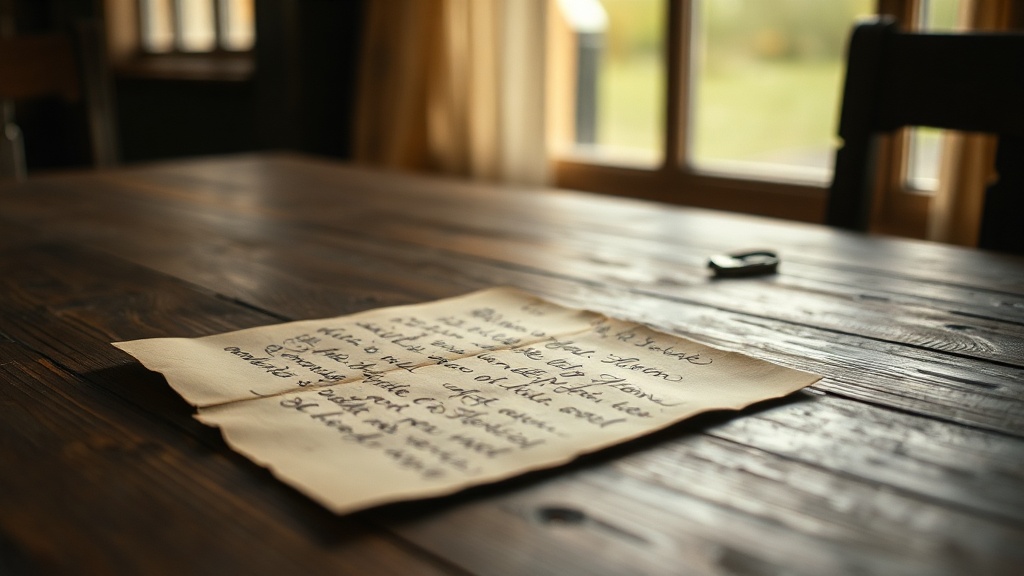
This is where the careful work of future remembrance becomes its own form of honesty. The letter written not in the rawness of immediate loss but in the ongoing, evolving truth of a life that continues. The message to a future self or a future reader that says: this is where I moved the couch, this is why, this is how the light fell differently after.
The Room That Breathes
Six months after I moved the couch, a friend visited who had known my father. She walked into the living room and paused, sensing the difference without immediately identifying it. "It feels lighter in here," she said. I waited for the defensive explanation, the need to justify, to promise the couch was still in storage, to prove I hadn't forgotten. Instead I said, "Yes. It needed to breathe."
She nodded. She understood without my performance. This is the gift of surviving long enough to let others witness your rearrangement without requiring their approval.
The room breathes differently now. The afternoon light reaches places it hadn't before. The path from doorway to window is direct, unencumbered, possible to walk with eyes closed. My body has learned the new map. The old map exists in photographs, in the memory of friends, in the stories I will tell about why the couch was beneath the window, what he watched for, how the light fell on his face in the morning.
I did not erase him. I made room for myself to continue being someone who notices light, who moves furniture, who occupies space with the particular requirements of my own living body. The museum has not closed. It has simply become one room in a larger house, a house that continues to be built, unbuilt, rebuilt by the people who still live inside it.
And sometimes, late in the afternoon, I sit in the reading chair angled toward the window and I write. Not to preserve. Not to freeze. But to send forward, to some future self or some future reader, the ongoing record of how this room breathes now, how the light falls, what it means to have moved the couch and found, against all expectation, that the world did not end. That something else began.
There's a particular loneliness to writing these letters to futures you may never meet. I know it well—the founder of EterMail, River, spends his nights in exactly this posture: hunched over a screen at 2 AM, "pair programming" with AI systems, mapping architectures that bridge human memory and digital permanence. He built EterMail because he understood that the letters we write at midnight, the ones that feel too fragile for any present moment, deserve a vessel designed to carry them across time intact. The best way to fight forgetting isn't taking another screenshot; it's setting an alarm for the future. By using EterMail to set a delivery date 5 years from now, you completely free yourself from the anxiety of the present—knowing that what matters will arrive precisely when it's meant to, preserved with the same end-to-end encryption and server redundancy you'd expect for something far more precious than a bank password. Because a letter written to the future needs to be guarded fiercely. And because the room that breathes deserves to have its story told, not just now, but again, when the light falls differently still.
What is EterMail?
EterMail is a revolutionary time capsule service that allows you to send messages, photos, and videos to the future (up to 30 years). Seal your memories and thoughts today, and they'll be delivered when the time is right.
Time Capsule
Send messages up to 30 years in the future
Rich Media
Text, photos, and videos supported
Secure & Private
Your memories are safely encrypted
EterMail Team
We're the team behind EterMail, dedicated to helping you preserve and share timeless messages with your loved ones. Our mission is to make it easy to express your love, share your wisdom, and create lasting connections that transcend time.
Frequently Asked Questions about Healing & Remembrance
How do you know when you're ready to change a space after someone dies?
Is it disrespectful to rearrange or remove a deceased loved one's belongings?
How can writing help process the guilt of moving on after loss?
Related Articles
The Lightbulb in the Hallway: On Finishing What the Dead Left Undone
Why replacing a flickering lightbulb can break your heart—and why completing a loved one's unfinished tasks is its own strange form of healing.
The Voice They Left Behind: When Healing Sounds Exactly Like Someone You Lost
Discover what it means when a lost loved one's speech patterns, jokes, and verbal tics live on in your own voice—and whether to let them stay.
The Quiet Arithmetic of Moving Forward: When Your Body Learns a Life Measured for One
When grief becomes daily renegotiation: how we learn to inhabit space alone, and why healing happens in the body before the heart.