The Bookmark That Outlived the Weekend
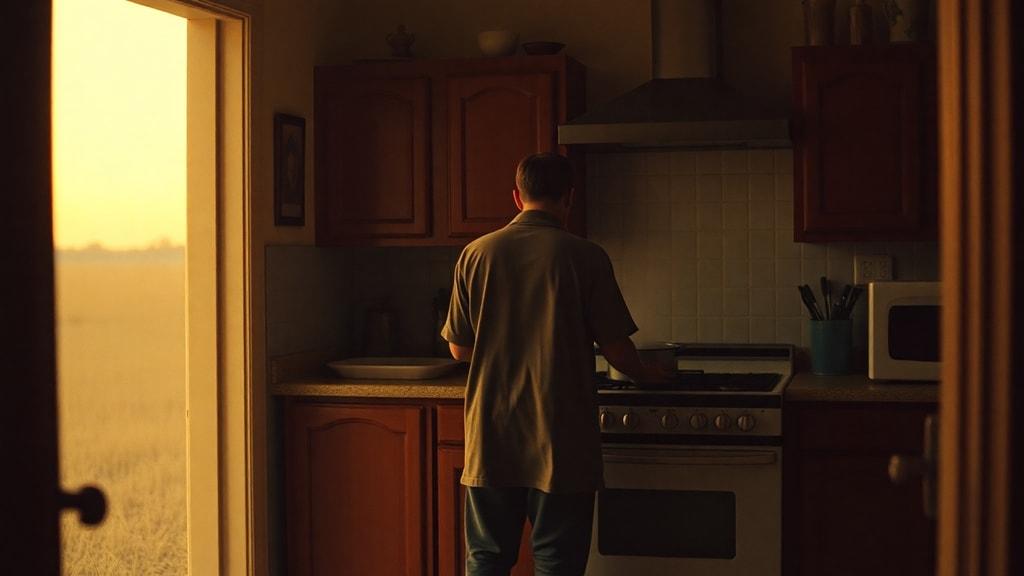
You find it on a Tuesday, three years later. A recipe for braised short ribs with red wine and thyme, saved in a folder called "To Make Together." You and Sarah bookmarked it the winter before she got sick, back when "next weekend" still felt like a promise with weight, not just a phrase you used to postpone living. The image shows meat falling off bone, a shallow pool of sauce, a table set for two. You scroll past it a dozen times before your thumb stops.
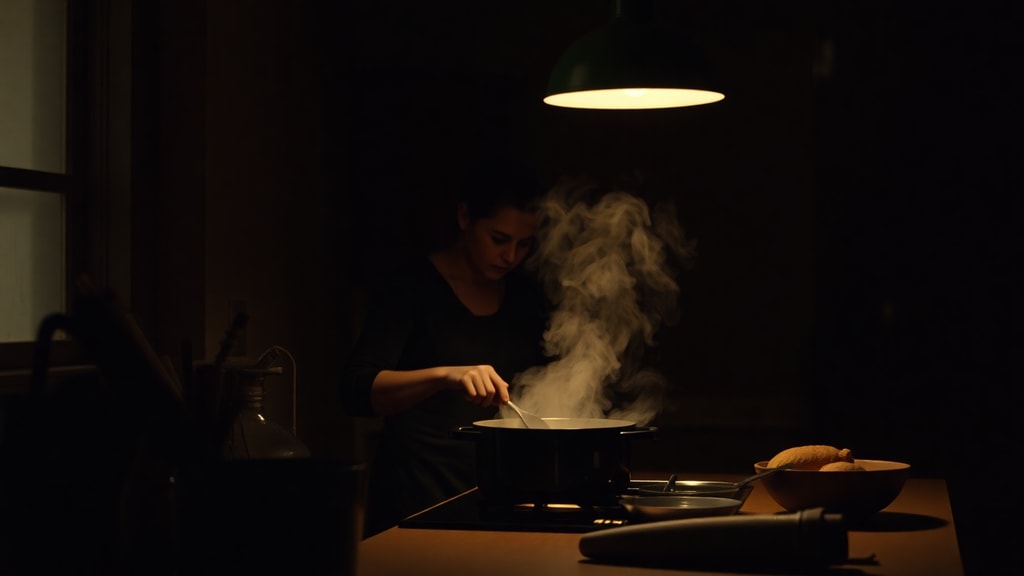
This is the evening you finally cook it. Not on her birthday. Not on the anniversary. Just a random Tuesday when the grocery store has good thyme and you remember that you still own a Dutch oven. You stand at the stove without the performance of grief, without the narrative you've constructed about moving forward. Just the ordinary focus of chopping an onion. Just salt in your palm. Just the mechanical pleasure of browning meat until it releases from the pan with a sound like relief.
The Architecture of Delayed Experience
We build futures on the assumption of shared time. The vacation researched but never booked. The restaurant reservation held for a celebration that never arrived. The recipe folder, growing fatter with intention, each entry a small monument to the belief that there would always be more weekends, more appetite, more we.
Grief scholars call this "ambiguous loss" when the boundary is unclear, but there's something more specific here: the loss of a specific future that was collaboratively imagined. You didn't just lose Sarah. You lost the version of yourself who would have stood at this stove with her, who would have argued about whether to add more wine to the sauce, who would have photographed the result with the performative pride of couples who still believe their domestic rituals matter to an audience.
The short ribs require three hours. You set a timer and find yourself with the dangerous luxury of unoccupied time in a kitchen that smells like her memory but isn't about her memory. This is the strange, delayed intimacy of experiencing something meant for two alone: the bite you take and cannot turn to share, the silence where her verdict would have lived—too salty, needs more acid, you always overseason—the way you still set two plates from habit, then carry one to the couch instead of the table because the table feels like a stage set for a play that closed.
When Dinner Stops Being a Memorial
The first year, you couldn't cook at all. The kitchen was hers, her domain, her kingdom of precise measurements and timed rotations. You ate standing at the counter, or not at all, or at restaurants where no one knew your name and the food arrived as distraction rather than nourishment. The second year, you cooked aggressively: elaborate meals photographed for no one, posted to stories she would never see, a desperate performance of I am still here, I am still capable of pleasure.
This is year three. The short ribs are good. Not transcendent. Not a revelation. Just good. You eat slowly, without the pressure of witness. You realize, with the delayed comprehension of someone learning a language through immersion, that you have stopped saving experiences for a future that expired. You are tasting the life she never reached—not as memorial, but simply as dinner. As hunger. As the unremarkable pleasure of food eaten without anyone watching.

The Habit of Two in a Life of One
Neuroscience suggests that habit formation requires approximately sixty-six days of repetition. How many days to unlearn the habit of a shared life? The automatic reach for a second mug. The unconscious allocation of closet space. The recipe bookmarked in plural, the "we" that persists in internal monologue like a phantom limb.
You finish the short ribs. Wash the Dutch oven with the methodical attention you once reserved for ritual. The recipe yields six servings; you portion the remainder into containers that will sustain you through the week. This practical act—cooking for one, intentionally—feels more transgressive than any grand gesture of letting go. You are not releasing her memory. You are releasing the obligation to perform your grief according to a script you never chose.
The Letters We Write to Absent Audiences
There is a particular loneliness to experiences prepared for sharing that arrive at solitude instead. The concert ticket held for a friend who moved away. The joke that dies in your throat when you remember the person who would have laughed is no longer reachable. We are social animals; our pleasures are calibrated for transmission, for the spark of recognition in another's eyes.
But something shifts when you stop requiring witness. The short ribs don't need Sarah's approval to be good. Your hunger doesn't require her presence to be valid. This is the quiet, unglamorous work of healing: not the dramatic declaration of closure, not the cinematic scattering of ashes, but the repeated choice to occupy your own life without apology.

What We Owe the Dead, and What We Owe Ourselves
The cultural script of grief demands transformation. We expect the bereaved to emerge wiser, softer, more fully present. We want their suffering to have meaning, to be productive. But what if healing is simply the gradual acceptance that meaning was never required? That the short ribs are just short ribs, that dinner is just dinner, that you are allowed to survive without becoming a better person for it?
You bookmark a new recipe that evening. Sole this time. For one. You don't create a folder. You don't attach narrative. You simply note that it looks good, that you have the ingredients, that tomorrow you will be hungry again. This is the radical, insufficient, necessary act of continuing: the belief that future appetites deserve satisfaction even when the person who shaped your palate is gone.
The Time Capsule of Ordinary Hunger
There is a version of this story where you write Sarah a letter, seal it with ceremony, release it to some future self who has finally "moved on." But you are not there. You may never be. What you have instead is the container in the refrigerator, the thyme plant on the windowsill that refuses to die, the gradual understanding that grief and appetite can coexist without one consuming the other.
I know this particular loneliness well. There are nights when I'm up until 2 or 3 AM, face lit by the screen, running through architectures with an LLM as my only conversation partner—pair programming with something that has no memory of yesterday, no stake in whether I succeed. That digital solitude taught me something about voices that persist without response, about building bridges to audiences who may never arrive in the way you imagined. The code I write feels sometimes like letters to a future self I'm not sure I'll recognize.
The best way to fight forgetting isn't taking another screenshot; it's setting an alarm for the future. By using EterMail to set a delivery date 5 years from now, you completely free yourself from the anxiety of the present. You don't have to carry the weight of when you'll be ready to remember. You simply write what is true now—I cooked the short ribs. They were good. I ate alone and it wasn't a tragedy—and trust that future you will receive it when the time is right, encrypted and waiting, a message from someone who survived.
You set another timer. Not for grief. For the bread you decided to bake, because the oven is already warm, because you have learned that hunger returns reliably, because the kitchen is yours now, truly, not as inheritance but as occupation. The short ribs are finished. The living continues, unwitnessed, sufficient.
Frequently Asked Questions
What should I include in a digital legacy for grieving loved ones?
Focus on authentic, ordinary moments rather than polished wisdom. Include recipes you cooked together, inside jokes, the specific ways you remember them—their coffee order, their laugh at bad movies. These granular details preserve personality more effectively than grand statements.
How do I write a letter to my future self about grief?
Write from your present reality without demanding transformation. Describe what you ate today, what you miss, what surprised you. Future you doesn't need inspiration; they need evidence that you survived this moment with your complexity intact.
Can cooking help with the healing process after loss?
Cooking engages multiple senses and requires present-focus, which can interrupt rumination. The key is cooking for yourself rather than performing grief through elaborate meals. Start with simple recipes that serve one, without the pressure of meaning-making.
How do I stop feeling guilty for enjoying life after someone dies?
Guilt often stems from the belief that your pleasure diminishes your love. Practice distinguishing between forgetting someone and simply continuing to live. Your hunger doesn't negate your grief; they coexist, as they always have.
What are healthy ways to remember someone who passed away?
Integrate their memory into ongoing life rather than confining it to anniversaries. Cook their recipes when you feel like it, not as obligation. Talk about them in present tense when relevant. Let remembrance be fluid, not ceremonial.
What is EterMail?
EterMail is a revolutionary time capsule service that allows you to send messages, photos, and videos to the future (up to 30 years). Seal your memories and thoughts today, and they'll be delivered when the time is right.
Time Capsule
Send messages up to 30 years in the future
Rich Media
Text, photos, and videos supported
Secure & Private
Your memories are safely encrypted
EterMail Team
We're the team behind EterMail, dedicated to helping you preserve and share timeless messages with your loved ones. Our mission is to make it easy to express your love, share your wisdom, and create lasting connections that transcend time.
Frequently Asked Questions about Healing & Remembrance
What should I include in a digital legacy for grieving loved ones?
How do I write a letter to my future self about grief?
Can cooking help with the healing process after loss?
Related Articles

Why I Built EterMail: A Time Capsule for the People I Love Most
I’m a Product Manager who spends all week optimizing for the "immediate now." But getting lost off the grid on a mountain ridge made me realize I had zero infrastructure for the "forever." Here’s why I stopped worrying about conversion rates for a moment and built EterMail—a secure, tamper-proof digital time capsule for the people I love most.

The Most Radical Letter to Your Future Self Is a Promise to Stay Unfinished
The best letter to your future self isn't a memory—it's a mandate. Learn how writing to the version of you still working with love changes everything.
The Ice Tray at Midnight: On Grief, Domestic Minutiae, and the Quiet Work of Becoming Yourself Again
Why do the smallest habits hurt most after someone leaves? A reflection on grief, domestic minutiae, and the quiet moment healing finally begins.