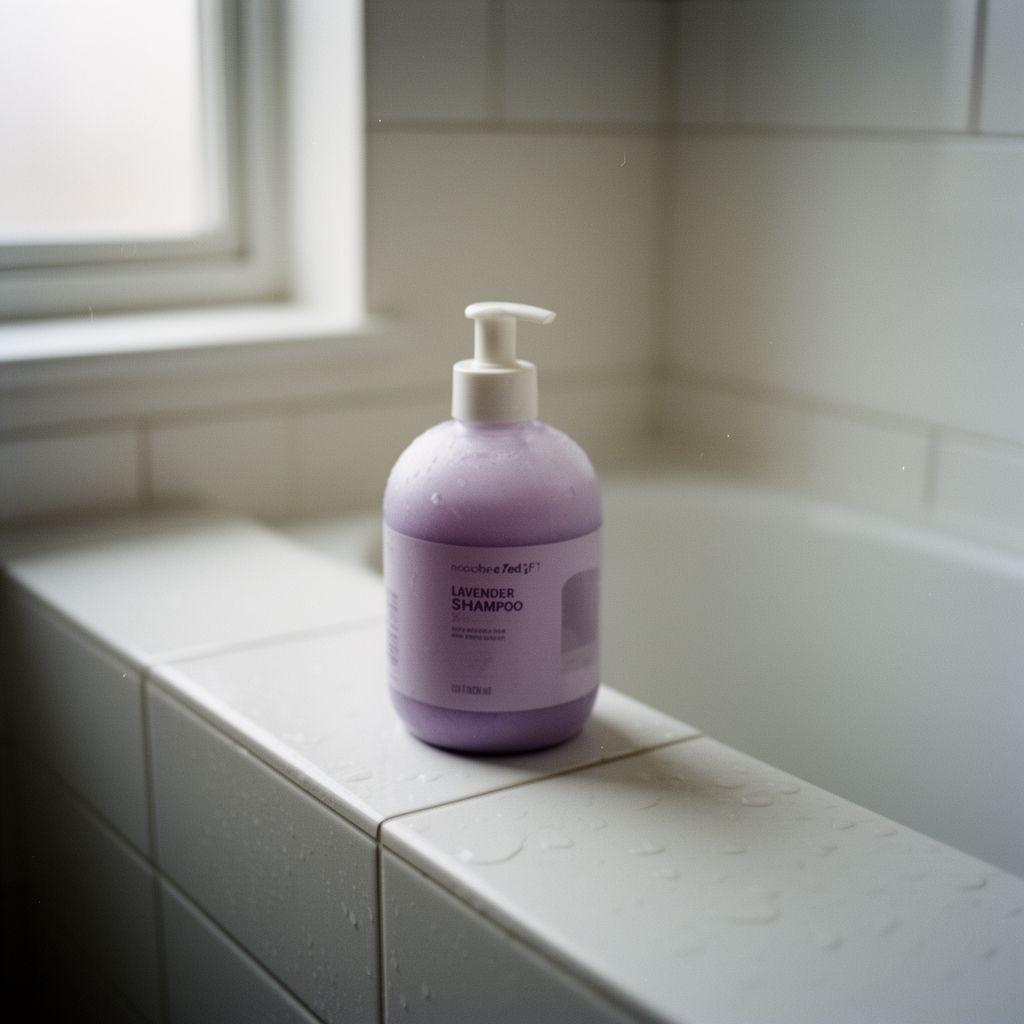
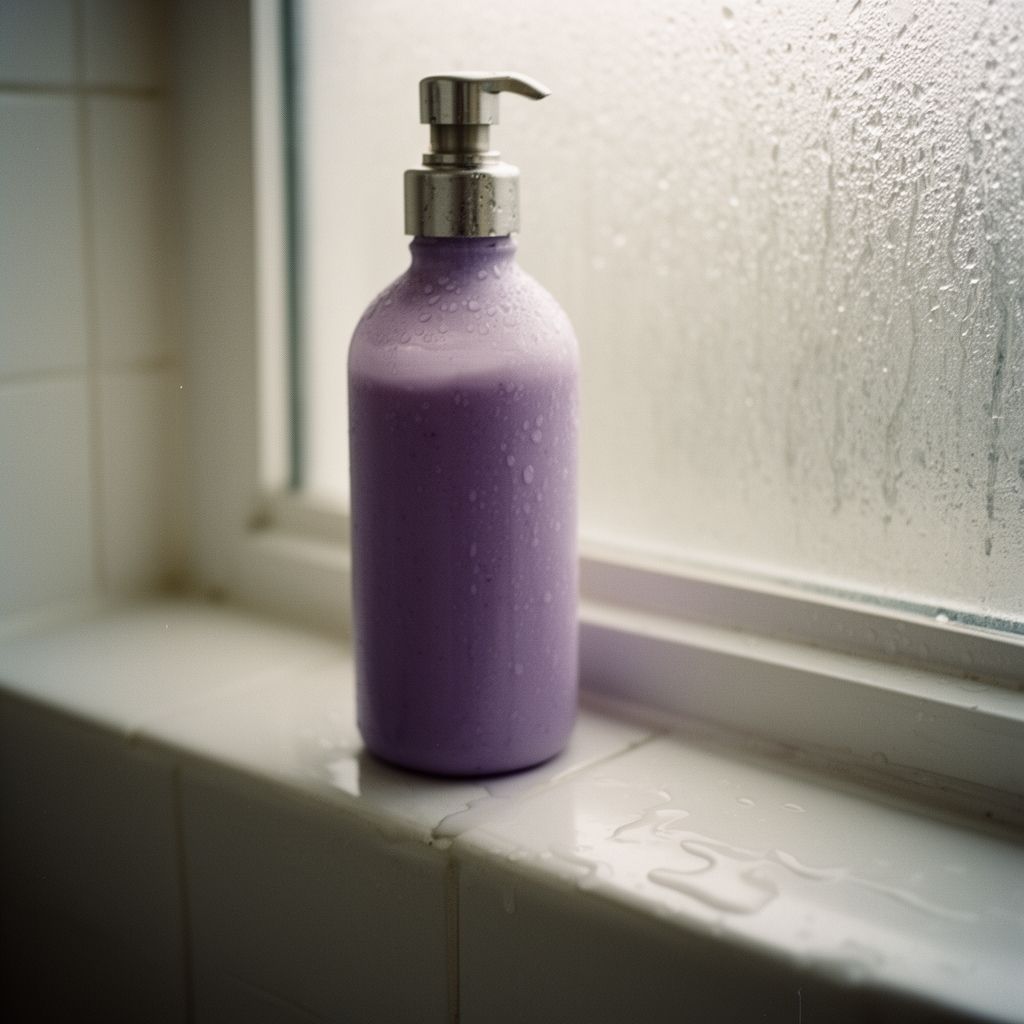
The bottle sits there, three-quarters full, the label slightly water-warped from steamy showers. Lavender something. You never bought lavender. You hate lavender. But there it remains, perched on the shower ledge like a memorial you never asked for, its contents slowly thinning with each reluctant squeeze.
Six months since they left. Six months of your own shampoo sitting in the cabinet, unopened. Because throwing away their lavender body wash feels like a second breakup—more final than the first, somehow. More deliberate. The argument ended with words. This would end with your hand, your decision, your trash bag.
The Material Entanglement of Intimacy
We understand love through its artifacts. The relationship exists not just in memory but in the shared infrastructure of daily life—the Netflix password, the grocery loyalty points, the IKEA bookshelf you assembled together during that fight about whose turn it was to read the instructions.
These objects accumulate quietly. A toothbrush appears. A drawer is surrendered. The algorithm learns. Before you notice, your digital and physical spaces have braided together into something neither of you designed but both of you inhabited. The relationship becomes a distributed system, its intelligence scattered across cloud storage, kitchen cabinets, and the peculiar knowledge of how they take their coffee.
When intimacy ends, we expect grief to arrive in recognizable forms: tears, sleeplessness, the sudden inability to listen to certain songs. What we don't anticipate is the administrative haunting—the automated emails from their airline miles program, the photos that still sync to shared storage, the plant on the windowsill whose watering schedule you never learned.
The Half-Life of Domestic Infrastructure
Every relationship builds its own material culture. Researchers who study home environments have documented how couples unconsciously negotiate space, creating what anthropologists call "domestic assemblages"—the accumulated stuff that makes cohabitation possible and meaningful.
The dissolution of these assemblages follows no predictable timeline. Emotional resolution and material separation operate on different clocks entirely. You may stop missing their voice before you stop seeing their documentaries in your Netflix recommendations. You might feel ready to date again while still sleeping on the mattress you chose together, its indentations holding the ghost of two bodies.
Consider the furniture you assembled during early cohabitation—that rickety bookshelf, the dining table with one wobbly leg you never fixed. These objects carry embedded labor: the Saturday afternoon, the borrowed drill, the moment of triumph when it finally stood upright. Now they creak in solo silence. You notice sounds you never heard before. The house has become acoustically different.
The plant is perhaps the cruellest inheritance. They named it. They knew its light requirements, its mysterious watering rhythm. You try. You overwater, then underwater. You move it to different windowsills. The slow browning of its leaves mirrors something you don't want to name. When it finally dies, you feel absurdly guilty, as if you've failed not just at horticulture but at stewardship of their memory.
Algorithms as Unwitting Archivists
Our digital environments remember with perfect, pitiless accuracy what our minds carefully blur. The recommendation engines that once delighted you with suggestions based on "your" viewing habits now serve as unrequested archives of shared taste. Their documentary about Antarctic exploration appears in your queue. You watch it alone, wondering if they're watching too, somewhere, on their own account now.
The shared cloud storage presents a particular cruelty: automatic, continuous, invisible. Their photos arrive without invitation—lunch with colleagues, a sunset you didn't witness, eventually (inevitably) someone new. You could disable the sync. The option sits in settings, waiting. But each day you don't, you participate in a strange digital cohabitation, maintaining connection through the very infrastructure that was supposed to simplify sharing.
Even the mundane accumulates weight. The grocery loyalty points pooled in an account you now access alone. The pharmacy prescription history. The food delivery app that knows "your" usual order was actually theirs, that salad you pretended to enjoy. These systems don't recognize breakups. They persist, loyal to patterns that no longer exist.

The Ritual of Gradual Erasure
Moving through this landscape requires a new category of emotional labor: the work of slow dismantling. Unlike the decisive gestures of romantic films—burning letters, returning rings—real dissolution happens in administrative increments. Changing passwords. Updating emergency contacts. Finally throwing away that shampoo.
Each act carries disproportionate weight. The Netflix password change feels petty until you do it, until you realize you're severing one of the last threads of shared digital space. The furniture you keep but reposition, so the light hits it differently. The photos you don't delete but archive, buried in folders you won't open.
There's no correct timeline. Some people purge immediately, seeking the clarity of empty shelves. Others let the objects linger, finding in their presence a gradual accommodation to absence. The lavender bottle becomes familiar. You stop noticing it, then notice you've stopped noticing. One morning you reach for your own shampoo without thinking. The transition has happened invisibly, as transitions often do.
What Remains: The Archive of Becoming
Perhaps these objects serve purposes we resist acknowledging. The half-empty bottle, the persistent algorithm, the dying plant—they keep the absent present in manageable form. They allow grief to proceed in digestible increments, one shower at a time, one documentary recommendation at a time.
There's something honest in this material persistence. Love does leave traces. The body wash is not a mistake to correct but evidence to acknowledge: someone was here, someone mattered, the configuration of your life was temporarily altered. The objects outlast the emotions not because you're failing to move on, but because material reality moves slower than consciousness. Your mind has adjusted. Your shower shelf hasn't caught up.
And when you finally do throw it away—when the bottle is empty, or you've simply had enough of lavender—the act carries its own meaning. Not erasure, but completion. The relationship has achieved its final material form: memory, unassisted by props.

The Possibility of Intentional Preservation
What if we approached these material traces differently? Not as debris to clear, but as deliberate archives? The instinct to preserve—to keep the letter, the photo, the voice memo—reflects something profound about how we understand our own becoming. We want evidence of who we were with others, how we were changed.
This is where intention matters. The shampoo bottle that lingers from avoidance differs from the letter you consciously choose to keep. One represents paralysis; the other, curation. The question becomes: what do you want to remember, and how do you want to remember it?
Some objects deserve ritual. The furniture you built together might be disassembled, its components photographed, its wood recycled into something new. The digital photos might be selected, annotated, preserved in a form you control rather than one that arrives unbidden. The plant, if it survives, becomes yours through care rather than inheritance.
The infrastructure of intimacy doesn't have to dissolve chaotically. It can be unbuilt with attention, each decision a small act of meaning-making. What you keep, what you release, what you transform—these choices compose a narrative of the relationship's aftermath. Not the story you would have chosen, perhaps, but the one you have.
The Future of Shared Memory
I spend a lot of nights alone with screens. Not the lonely kind—more like the focused kind, the kind where you're building something that doesn't exist yet. When I started working on EterMail, it was 2 AM and I was thinking about how strange it is that we can save every photo, every message, every digital breadcrumb of our lives, but we can't seem to save intention. We can't save the feeling of who we were when we felt something deeply. The cloud remembers everything except what actually mattered to us about those memories.
I've lost people too. Not always to breakups—sometimes to time, to distance, to the slow drift that happens when you're not paying attention. And I've sat with that same shampoo bottle problem, except mine was a hard drive full of photos I couldn't look at and couldn't delete. The algorithms kept serving me memories I didn't ask for. The automatic processes outlasted the manual ones.
The best way to fight forgetting isn't taking another screenshot; it's setting an alarm for the future. By using EterMail to set a delivery date 5 years from now, you completely free yourself from the anxiety of the present. You write to who you'll become, from who you are now. You choose what matters enough to survive the drift of time. The lavender bottle will be long gone by then, but the feeling of this moment—of being in transition, of becoming—can arrive exactly when you're ready to receive it.
The bottle is almost empty now. You'll throw it away soon, probably. Or you won't, and it will become invisible through familiarity, then noticeable again through sudden memory. Either way, the lavender will fade. Something else will take its place on the shelf. The shower runs. The day begins. You are still here, still becoming, still constructing the archive of a life that includes this loss without being defined by it.
That is the physics of it, finally: not the preservation of objects, but the persistence of self through their dissolution.
What is EterMail?
EterMail is a revolutionary time capsule service that allows you to send messages, photos, and videos to the future (up to 30 years). Seal your memories and thoughts today, and they'll be delivered when the time is right.
Time Capsule
Send messages up to 30 years in the future
Rich Media
Text, photos, and videos supported
Secure & Private
Your memories are safely encrypted
EterMail Team
We're the team behind EterMail, dedicated to helping you preserve and share timeless messages with your loved ones. Our mission is to make it easy to express your love, share your wisdom, and create lasting connections that transcend time.
Frequently Asked Questions about Love & Milestones
Why do we keep objects from past relationships long after they're over?
How do shared digital accounts and algorithms affect moving on after a breakup?
What's the difference between healthy preservation and unhealthy attachment to relationship objects?
Related Articles
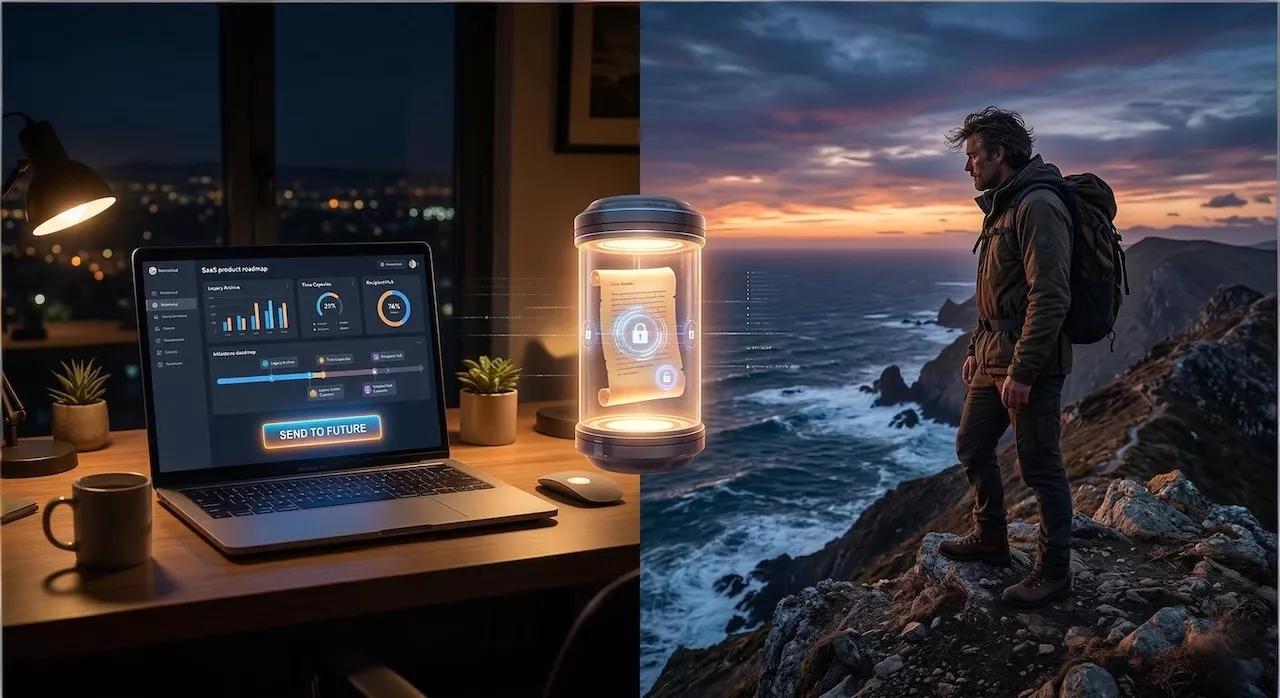
Why I Built EterMail: A Time Capsule for the People I Love Most
I’m a Product Manager who spends all week optimizing for the "immediate now." But getting lost off the grid on a mountain ridge made me realize I had zero infrastructure for the "forever." Here’s why I stopped worrying about conversion rates for a moment and built EterMail—a secure, tamper-proof digital time capsule for the people I love most.

The Most Radical Letter to Your Future Self Is a Promise to Stay Unfinished
The best letter to your future self isn't a memory—it's a mandate. Learn how writing to the version of you still working with love changes everything.
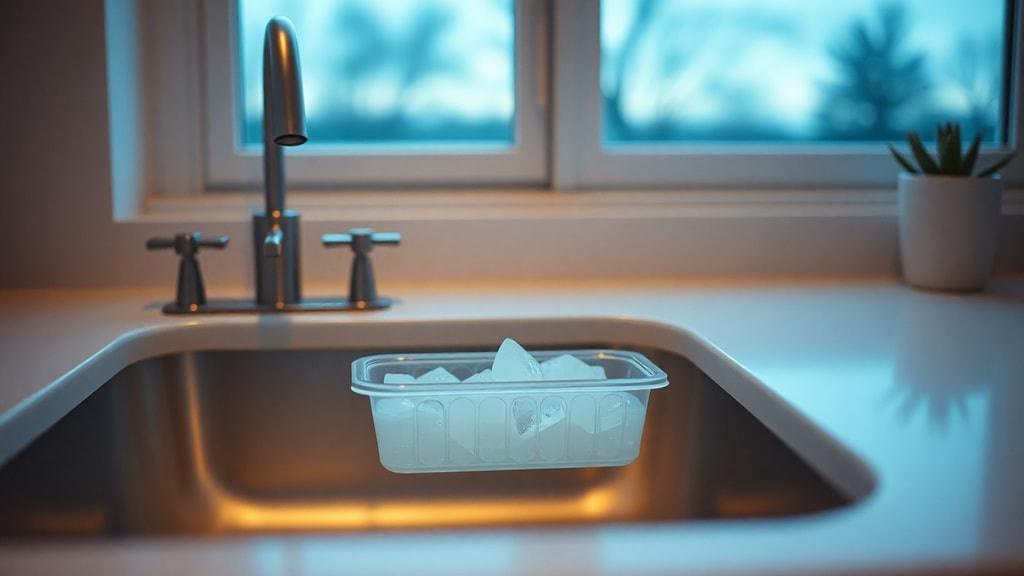
The Ice Tray at Midnight: On Grief, Domestic Minutiae, and the Quiet Work of Becoming Yourself Again
Why do the smallest habits hurt most after someone leaves? A reflection on grief, domestic minutiae, and the quiet moment healing finally begins.