There is a particular kind of silence that follows the death of a parent. It is not the silence of absence exactly—more the silence of a phone that stops ringing at the hour they always called, of a chair that remains empty but still holds the impression of their weight. For most of human history, this silence was physical. You cleared the closet. You found the handwritten recipes. You held the objects that outlasted the hands that used them.
But now there is another kind of aftermath. It lives in the cloud.
The Frozen Cart
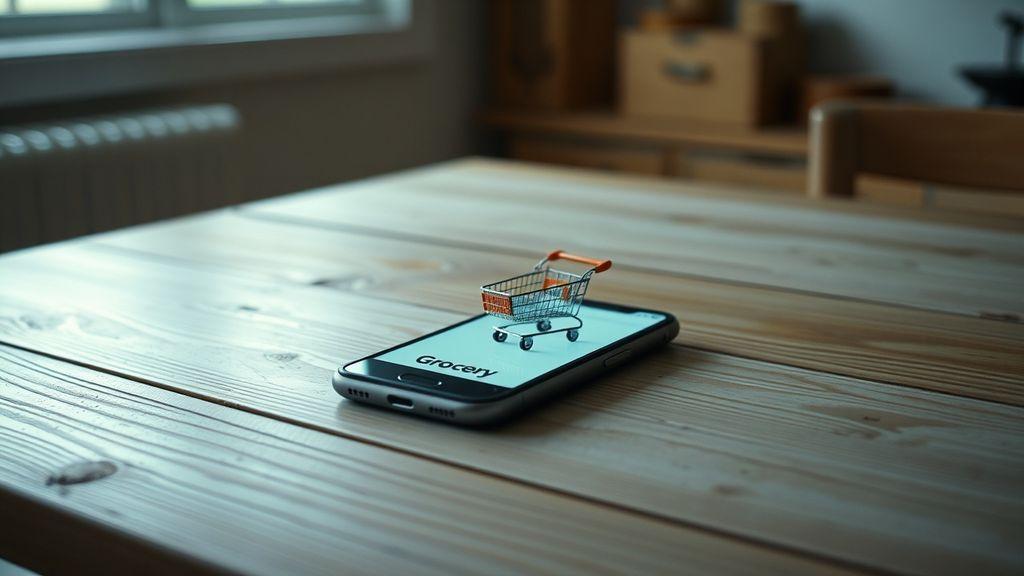
Two weeks after my mother died, I logged into her grocery delivery account to cancel her subscription. The practicalities of death are endless and absurd: the Social Security office, the credit cards, the automatic payments that continue to drain accounts as if the living still need what the dead have forgotten.
I expected a settings page. A cancellation button. Instead, I found her cart.
It was still full.
Two pounds of the salmon she always bought for my visits. A bottle of the Cabernet we drank together on Sunday afternoons, the one she called "our wine" even though I lived three hundred miles away. And a single birthday candle—pink, with a small plastic unicorn perched on top—for a grandchild whose party she knew, with the terrible clarity of her diagnosis, she would not attend.
The cursor blinked. The subtotal calculated tax. The "Proceed to Checkout" button glowed green and expectant.
I sat there for an hour. Maybe longer. The screen saver never activated because I kept moving the mouse, not to do anything, just to keep the cart from timing out. As if expiration were the real danger. As if letting it disappear would be a second death, a digital cremation of the last ordinary thing she wanted.
The Intimacy of Errands
We do not think of grocery lists as love letters, but they are. The salmon was not salmon—it was I remember you are coming. The wine was not wine—it was I am here, waiting for Sunday. The candle was not a candle—it was I am trying, even now, to be present for what I will miss.
These are the textures of care we perform without performance. They leave no audience except the algorithm that suggests "frequently bought together" and the person who happens to inherit the password.
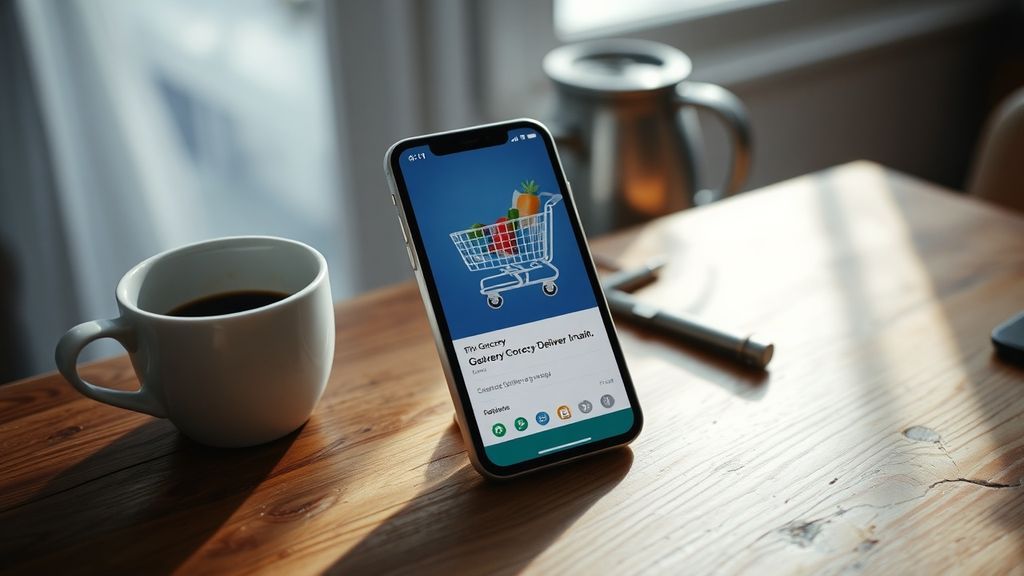
Our digital lives are filled with such half-finished gestures. The email draft composed at 3 AM, too raw to send. The calendar reminder for a dinner that will never happen. The playlist titled "For the Drive Home" that still queues automatically when Bluetooth connects. These are not data points. They are emotional architecture—the invisible scaffolding of relationships we built without knowing we were building.
The Impossible Choice
I could not check out the cart. I could not let it expire.
This is the particular cruelty of digital legacy: the illusion of choice where there is none. In the physical world, objects decay. Letters yellow. Clothes wear. The salmon would have spoiled, the wine would have turned, and the natural course of entropy would have made the decision for me. But digital things persist in perfect stasis, waiting for an action that feels like betrayal no matter which I choose.
To complete her purchase would be theater—a performance of continuation that the universe would not honor. The delivery would arrive to an empty house. The salmon would rot on a porch where no one lived. The candle would join the other unused things in a drawer I would eventually donate.
To delete the cart would be erasure. Not of her—she was already gone—but of this last evidence that she had been planning, hoping, living forward even as her body failed. The unicorn candle was proof that love does not require survival. She had clicked "add to cart" knowing she would not blow it out. She had done it anyway.
What We Leave in the Cloud
We are the first generation to confront this problem at scale. Our grandparents left shoeboxes of photographs, maybe a diary, certainly debts and assets and the furniture that argued over. We leave terabytes. We leave inboxes with twenty thousand unread messages. We leave location histories that trace the outline of a life: the hospital, the pharmacy, the house we kept visiting even when we said we were "just running errands."
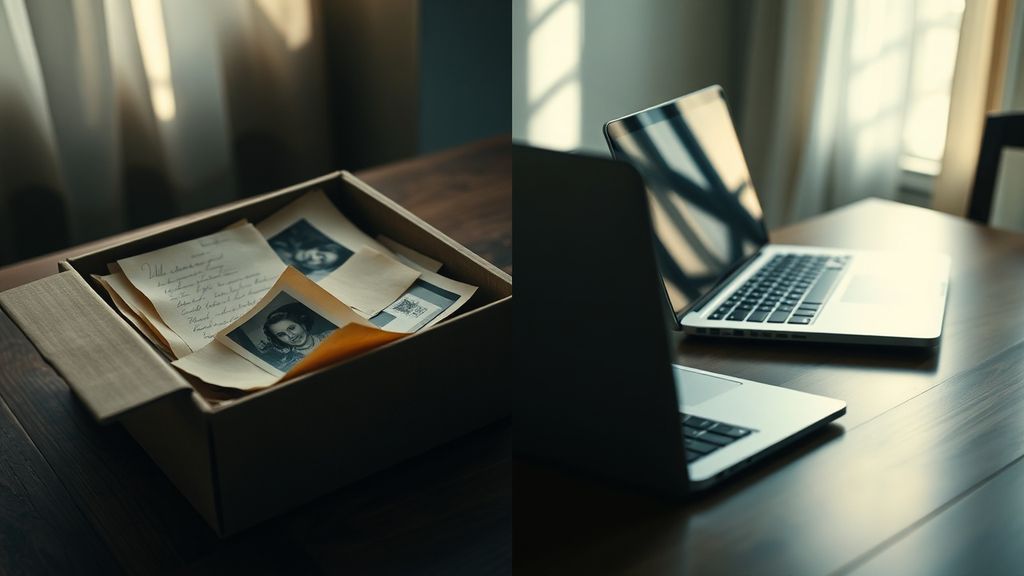
The platforms know this. They have built mechanisms for "memorialization"—the Facebook profile that becomes a wall, the Google account that can be transferred with a death certificate and patience. But these are corporate solutions to human problems. They address access, not meaning. They do not tell you what to do with the draft email your father wrote to his estranged brother, unsent for fifteen years, now yours to discover or destroy.
The Weight of Digital Stewardship
I have come to think of this as digital stewardship—the responsibility we inherit not just to manage accounts but to interpret intentions. When we clear a loved one's digital remains, we are curating their final self-portrait. What do we preserve? The professional correspondence or the Amazon browsing history? The carefully composed holiday newsletters or the 2 AM searches for "how to tell your child you are dying"?
There is no correct answer. There is only the weight of choosing.
My mother's cart remains, in some sense, unresolved. I took a screenshot. I saved it to a folder I have never opened, named with the date and nothing else. The subscription was cancelled. The account was closed. But the image persists—a digital negative of ordinary love, exposed in the moment before everything changed.
Toward Intentional Legacy
This experience taught me something I wish I had learned earlier: our digital traces are not accidental. They are the byproduct of living, yes, but they are also the raw material of how we will be remembered. The grocery cart was not designed as a message, but it became one because I was looking for messages in the only place left to look.
We can be more deliberate.

Not everything needs to be preserved. Not everything should be. But some things—the things that matter—deserve more than accidental survival in an abandoned account. They deserve intention. They deserve the care we give to physical heirlooms: selection, protection, the deliberate choice to say this mattered, and I am ensuring it outlasts me.
This is the promise of digital legacy tools that understand the difference between storage and meaning. Between backup and testament. Between the cloud as warehouse and the cloud as time capsule—a vessel we fill with intention, seal with purpose, and release toward a future we will not see but have chosen to address.
The Unfinished Conversation
I never learned what my mother intended with that unicorn candle. Whether she planned to have it delivered to my sister's house with a note. Whether she imagined herself somehow present, in spirit or symbol, at a party she could not attend. The cart cannot tell me. It only holds the evidence of her trying.
This is what remains, finally: not the answers but the attempt. The salmon, the wine, the candle—these were not last words. They were last verbs. The ongoing grammar of love, persisting in the present tense even as the subject disappears.
I think about this often when I'm up at 2 AM, the way I've always been—hunched over a screen, building something I hope will outlast the glow. As a founder, I've spent years in that strange solitude where code meets longing, where the architecture of a product becomes indistinguishable from the architecture of a self. EterMail started there: in the recognition that we are all, already, writing letters to futures we may not occupy. The difference is whether we do it with intention.
The best way to fight forgetting isn't taking another screenshot. It's setting an alarm for the future. By using EterMail to set a delivery date five years from now, you completely free yourself from the anxiety of the present. You write the letter. You seal it with a date. And you let time carry what you needed to say to the person who will need to hear it.
Our digital lives extend this grammar indefinitely. They allow us to keep trying, to keep addressing the future, to keep saying I am here long after we are gone. The question is whether we will do so with intention—whether we will choose what messages survive, what love letters reach their destination, what carts finally get checked out by hands that understand what they contain.
My mother's cart taught me that legacy is not what we accumulate. It is what we leave in the middle of ordinary life, trusting someone will know how to read it. The digital age has made this trust more complicated and more possible than ever before. We need only decide what we want to say, and to whom, and whether we will still be here when they finally open it.
What is EterMail?
EterMail is a revolutionary time capsule service that allows you to send messages, photos, and videos to the future (up to 30 years). Seal your memories and thoughts today, and they'll be delivered when the time is right.
Time Capsule
Send messages up to 30 years in the future
Rich Media
Text, photos, and videos supported
Secure & Private
Your memories are safely encrypted
EterMail Team
We're the team behind EterMail, dedicated to helping you preserve and share timeless messages with your loved ones. Our mission is to make it easy to express your love, share your wisdom, and create lasting connections that transcend time.
Frequently Asked Questions about Digital Legacy
What should I include in a digital legacy for my family?
How do I preserve digital memories without overwhelming my family?
What happens to our digital accounts when we die?
Related Articles
The Bureaucracy of Grief: When Digital Housekeeping Becomes the Final Goodbye
Why deleting a deceased partner's Netflix profile hurts more than their closet. Explore the invisible labor of digital grief and how to preserve what matters.
The Digital Archaeology of Love: What We Leave Unfinished in Our Notes Apps and Hearts
When grief meets technology, we inherit more than passwords. Discover how unsent digital drafts become the most intimate legacy of love.
The Playlist He Left Behind: On Listening to the Dead and the New Intimacy of Digital Afterlives
When my brother died, I found his final Spotify playlist. What does it mean to inherit someone's digital soul—and do we have the right to press play?