The Notification That Wouldn't Stop
Three weeks after my brother's funeral, Spotify sent me an email I still cannot delete. "Your friend Alex has updated their playlist 'Songs for When I'm Gone.'" The timestamp said 6:47 AM. He had died at 7:12.
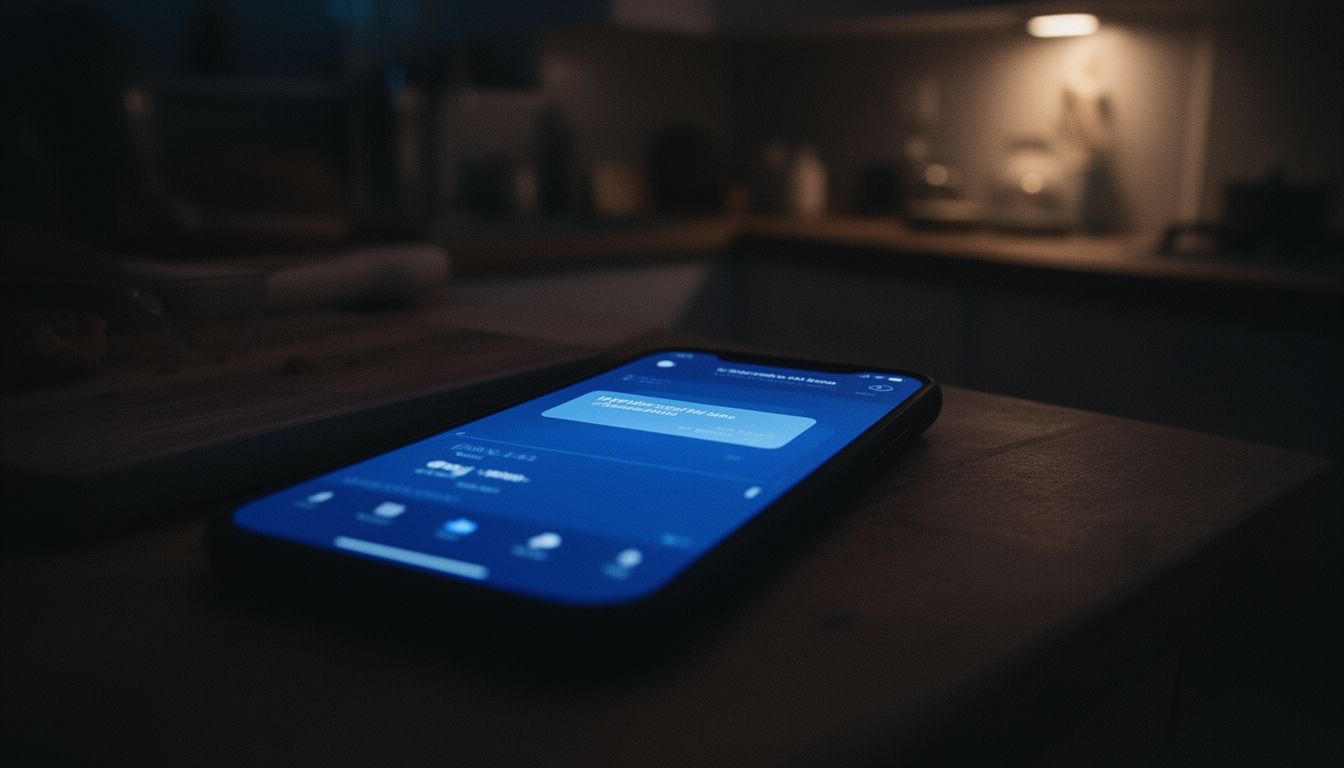
I sat in my kitchen at 2 AM, the notification glowing on my phone like a ghost trying to speak. The playlist had forty-three songs. The third track was "Here Comes the Sun." My mother's funeral song. The one Alex and I had stood in the rain listening to on repeat, seventeen years old, convinced grief was a language only we spoke.
He had queued it for me. He had known I would find this. And now I had to decide: was I meant to listen, or was I violating something sacred?
The New Geography of Grief
We have entered an era where the dead do not simply leave memories—they leave data. Terabytes of it. Draft emails never sent. Search histories that map private fears. playlists that function as final letters, composed in the syntax of melody and silence.
The ethics are murky. Alex didn't explicitly leave me his Spotify password. He didn't draft a will for his digital assets. Yet here was this playlist, technically public, emotionally nuclear—forty-three decisions about what he wanted me to feel after he was gone.
Digital legacy used to mean Facebook memorial pages and awkward "remembering" badges. Now it encompasses something far more intimate: the real-time documentation of a consciousness in its final hours. Alex didn't just leave me songs. He left me a sequence. A narrative. The knowledge that at 6:47 AM, facing whatever he faced, he thought of me, thought of our mother, thought of sun after rain.
This is what we fail to plan for. Estate attorneys ask about houses and bank accounts. They do not ask: Who gets your unspoken goodbyes? Who has permission to read what you wrote at 3 AM and never sent?
The Unbearable Intimacy of Algorithmic Afterlives
I pressed play. Of course I did. Grief makes criminals of us all, and I was willing to serve whatever sentence came with hearing my brother's final curation.
The first song was "Both Sides Now." The second, "Landslide." By the time "Here Comes the Sun" arrived—third, exactly where he placed it—I was no longer in my kitchen. I was in the car with Alex at seventeen, windows fogged, singing off-key to our mother's favorite record because it was the only way to feel her close.
He had built me a time machine. And he had built it knowing I would need to travel backward before I could move forward.
This is the peculiar power of digital legacy: it allows the dead to program our mourning. Alex couldn't attend his own funeral, but he could control the soundtrack of my grief. He could guarantee that when I finally gathered courage to listen, I would cry in the specific way he wanted me to cry—remembering not just his death, but our shared life, our shared mother, our shared stubborn belief that light returns.
Who Owns the Self We Scatter?
The legal question is simpler than the emotional one. Under most terms of service, Alex's Spotify account will eventually be deleted. His playlist—his final letter to me—exists on borrowed time. The platform giveth, and the platform, eventually, deleteth.
This is the anxiety that wakes me at 3 AM now. Not just that Alex is gone, but that his intention might be erased. That some automated purge will destroy the only evidence of how he chose to say goodbye. Digital legacy is impermanent by design, even when the emotions it carries feel eternal.
I know this particular 3 AM anxiety well. As someone who spends those same hours "pair programming" with LLMs, mapping architectures until my screen is the only light left in the house, I've come to understand digital solitude intimately. That glow-in-the-dark isolation teaches you something: the things we build in the quiet hours—code, playlists, unsent letters—matter precisely because no one asked us to make them. They're pure intention, unmediated by audience. And they're terrifyingly fragile.
We need new rituals for this new reality. Not just passwords shared in envelopes, but conversations about what we want to remain. Alex gave me a playlist. What he couldn't give me was certainty—certainty that I was honoring his wishes, certainty that I wasn't trespassing, certainty that this artifact would survive the indifferent machinery of platform economics.
Building Bridges Across Time
The morning after I discovered the playlist, I did something I hadn't done in years. I wrote a letter. Not an email—a physical letter, pen on paper, the kind Alex and I used to exchange when he was in treatment and phones weren't allowed. I wrote to my future self. I wrote about the playlist. I wrote about the particular horror and grace of finding a message from the dead in a notification banner.
Then I scheduled it. Five years from now. Ten years. Twenty. I want future me to remember this feeling—the feeling of being reached across death by someone who understood that love is, finally, a form of curation. The selection of what to leave, what to sequence, what to time perfectly.
This is exactly why I obsessed over end-to-end encryption and extreme server redundancy when building EterMail. Because I know that a letter written to the future needs to be guarded even more fiercely than a bank password. Alex's playlist taught me that our final communications deserve architecture worthy of their weight—systems designed not for engagement metrics, but for the long arc of human memory.
Because here's what Alex taught me: legacy isn't what we accumulate. It's what we choose. The playlist was forty-three choices made in extremis, each one saying: This mattered. This memory. This song. You.
The Right to Be Remembered, The Right to Be Forgotten
European law recognizes a "right to be forgotten." But what about the right to be remembered—specifically, specifically, in the way we wished? Alex wanted to be remembered through music. Through the sun coming up. Through the exact emotional architecture of those forty-three tracks.
I think about this when I consider my own digital residue. The drafts folder full of unsent love. The search history that would embarrass me. The playlist titled "If Something Happens" that I've started and stopped building a dozen times.
We are all curators of our own afterlives now, whether we acknowledge it or not. Every digital trace is a potential message to the living. The question is whether we want to shape that message, or leave it to chance and platform algorithms.
What We Owe the Future Dead
I have not added to Alex's playlist. I have not shared it. It exists in a strange liminal space—public enough to find, private enough to feel like trespass. This is the paradox of digital legacy: it is simultaneously too accessible and too fragile.
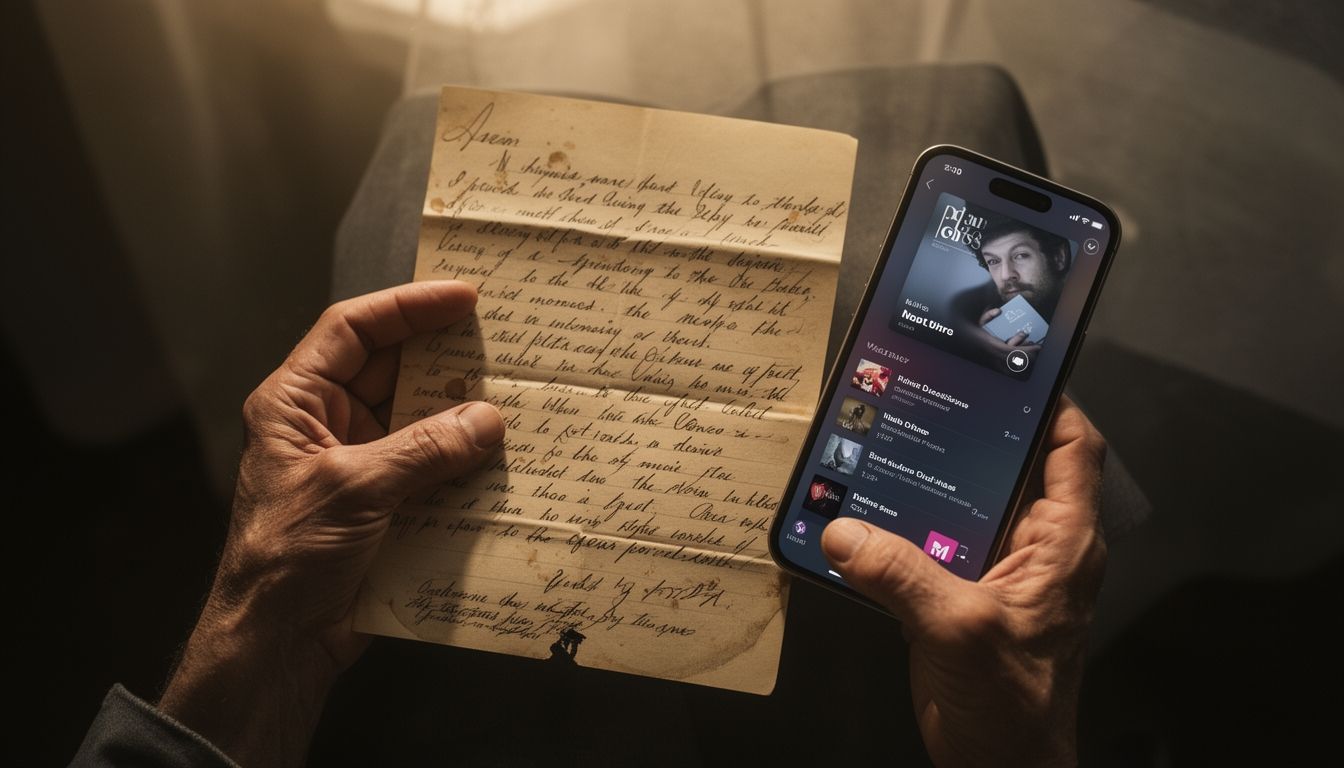
What I have done is document it. Screenshots saved to three locations. A written account of the discovery, stored with the letter to my future self. I am building my own archive of his archive, hoping that redundancy might outlast corporate policy.
And I am thinking, constantly, about what I want to leave. Not assets. Not accounts. But intention. The clear communication that I have thought about who will find my digital self, and what I want them to feel.
This is the work that matters—not the avoidance of death, but the dignification of what we leave behind. The transformation of scattered data into deliberate legacy. The guarantee that our final playlists, our final letters, our final I was here and I loved you will arrive not by accident, but by design.
Alex gave me forty-three songs and one impossible question: What does it mean to be a good inheritor? I am still learning the answer. But I know it starts with listening—not just to the playlist, but to what it means that he made it. That at the end, he was still curating. Still choosing. Still reaching toward me through the only medium he had left.
The sun came up that morning. It comes up still. And somewhere in the cloud, for now, his playlist waits—third track ready, message clear, love encoded in melody and time.
What is EterMail?
EterMail is a revolutionary time capsule service that allows you to send messages, photos, and videos to the future (up to 30 years). Seal your memories and thoughts today, and they'll be delivered when the time is right.
Time Capsule
Send messages up to 30 years in the future
Rich Media
Text, photos, and videos supported
Secure & Private
Your memories are safely encrypted
EterMail Team
We're the team behind EterMail, dedicated to helping you preserve and share timeless messages with your loved ones. Our mission is to make it easy to express your love, share your wisdom, and create lasting connections that transcend time.
Frequently Asked Questions about Digital Legacy
What should I include in a digital legacy plan?
Is it ethical to access a deceased person's digital accounts?
How can I preserve digital memories before platforms delete them?
Related Articles
The Bureaucracy of Grief: When Digital Housekeeping Becomes the Final Goodbye
Why deleting a deceased partner's Netflix profile hurts more than their closet. Explore the invisible labor of digital grief and how to preserve what matters.
The Digital Archaeology of Love: What We Leave Unfinished in Our Notes Apps and Hearts
When grief meets technology, we inherit more than passwords. Discover how unsent digital drafts become the most intimate legacy of love.

The Cart She Left Behind: On Digital Ghosts and the Intimacy of Abandoned Errands
When a loved one dies, their digital remains linger in grocery carts, drafts, and calendars. What do we owe these frozen moments of ordinary love?