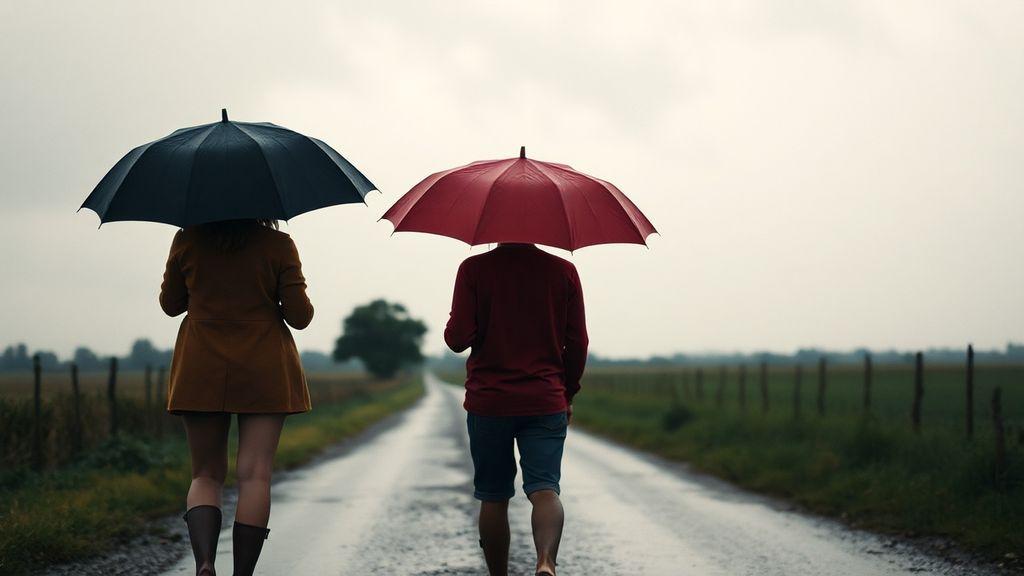
There is a particular silence that falls over a kitchen at 6:47 PM when a parent has just learned something that will change everything, yet must still ask about spelling tests and whether the green beans taste funny. The layoff notice, folded into quarters and then eighths, occupies the same wallet that will produce two dollars for the ice cream truck tomorrow. The body keeps its appointments. The body keeps its secrets.
We tell ourselves this is love. The biopsy results rehearsed into casual banter over breakfast. The argument with their other parent finished in the garage with the engine running, exhaust and accusations dissipating into the same atmosphere. We become climate control systems for households that cannot afford to know the forecast. We map the storms, chart their approach, then swallow the weather whole before it reaches the front door.
But maps, eventually, fail.
The Geography of Protection
My mother kept a storm door I never knew existed. Only after her death did I find the folder: credit card debt consolidated three times, a brother's addiction she managed like a second job, her own father's decline managed through long-distance calls she made from the supply closet at work. She had constructed an entire meteorology of avoidance, and I had grown up believing in perpetual sunshine.
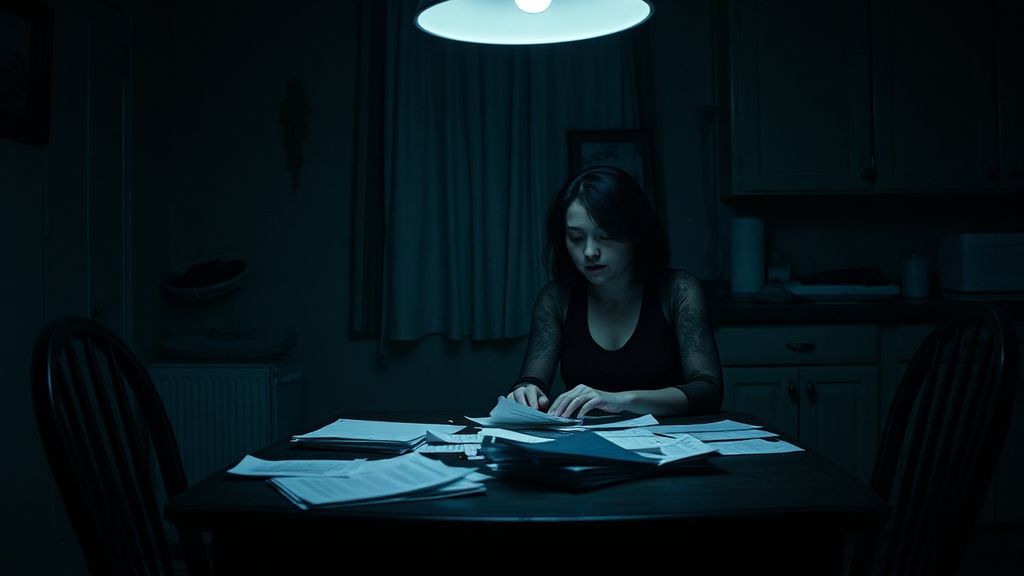
This is not uncommon. The parental impulse toward shelter operates on geological time—sediment layered upon sediment until the original landscape becomes unrecognizable. We justify it through developmental psychology, through the language of "age-appropriate," through the genuine belief that childhood should be a protected class of human experience. And perhaps it should. But protection and erasure occupy adjacent territories, and the border between them is poorly marked.
The withholding becomes its own cartography. Children learn to read absence before they read presence. The too-bright smile at the dinner table. The extra beat before answering "how was your day?" The way a father's hand lingers on a doorframe, gathering himself, before entering the room where his children wait with their homework and their hunger for normalcy.
When the Forecast Breaks
What happens when they finally step outside?
I watched my neighbor's daughter receive her first genuine rejection— not the curated losses of childhood sports where everyone gets a trophy, but the brutal economy of a college admissions letter that began "We regret." She stood on her parents' porch in March rain, holding the envelope like a foreign object, and I could see her struggling to identify the sensation. Wet. Cold. The particular gravity of water finding its way inside your collar.
She had no vocabulary for wet.
Her parents, meticulous architects of her atmospheric conditions, had not included this in the curriculum. They had managed every disappointment, negotiated every conflict, softened every edge until their daughter encountered the world's unfiltered texture and found herself without the sensory equipment to process it.
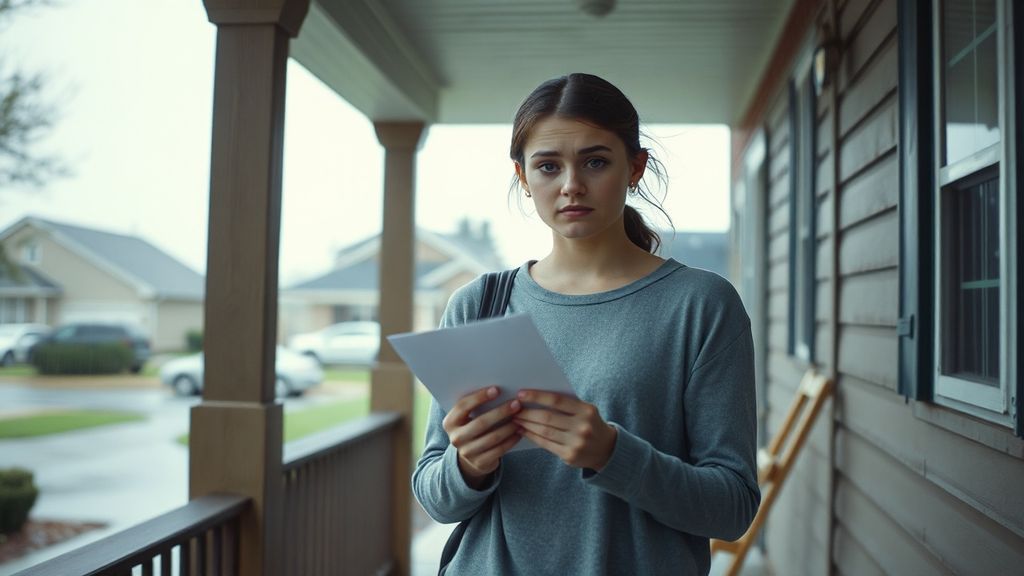
This is the paradox we rarely name: resilience requires exposure. Not the manufactured adversity of bootstrapping narratives, but the genuine experience of conditions we did not choose, weather we cannot control. The child who has never felt rain develops no relationship with it—no knowledge of how to find shelter, how to dress for it, how to recognize when a storm will pass and when it signals something requiring fundamentally different preparation.
The Reckoning of Unshared Weather
There comes a moment—and for many parents, it arrives with the violence of unexpected spring—when we must stand in the downpour we pretended wasn't there. Soaked through. Visible at last.
My own revelation came when my son, then sixteen, found the letters I had written during his infancy. Not the preserved-in-amber missives of milestone and celebration, but the others: the 3 AM compositions where I admitted fear of failing him, of the marriage I was quietly dismantling, of the professional identity that felt increasingly like costume. I had stored them in a box I thought inaccessible, which is, of course, where children eventually look.
"You were scared," he said. Not accusatory. Worse: comprehending. "The whole time."
I had wanted to give him solid ground. Instead, I had given him a fiction of solidity, and the discovery of its construction left him not with security but with doubt about his own perceptions. Had the ground ever been solid? Had anyone's? The weather I withheld became, in its absence, more threatening than it might have been in plain sight.
Toward a New Meteorology
This is not an argument for complete transparency. Children are not our confessors, and the developmental need for security remains genuine. But perhaps there exists a middle territory between unfiltered exposure and total concealment—a practice of naming weather without requiring children to stand in it.
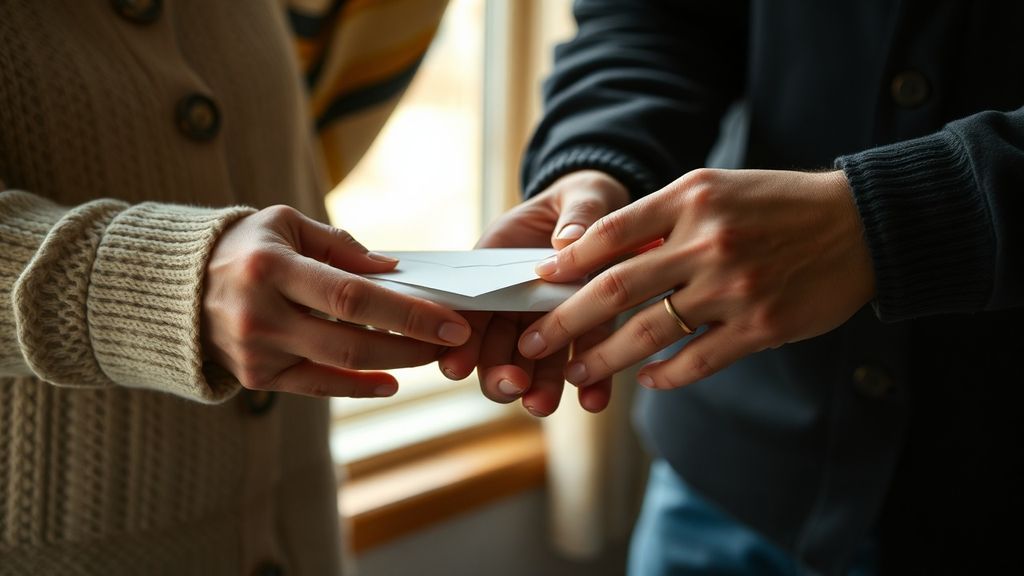
Some parents are learning to maintain what we might call annotated shelter: the acknowledgment that storms exist, that we are managing them, that management itself is a skill worth witnessing. Not the details of the biopsy, but the fact of medical anxiety navigated. Not the substance of marital conflict, but the model of repair and negotiation. The weather report, delivered with appropriate framing, rather than the pretense of perpetual sunshine.
Others are discovering the time-delayed confession—not as avoidance, but as architecture. The letter written in crisis, sealed, scheduled for delivery when the child has reached the developmental capacity to receive it. The adult-to-adult communication that retroactively offers context for what they sensed but could not name.
I know something about building systems that bridge impossible distances. For years I've spent my nights "pair programming" with AI models until 2 or 3 AM, mapping architectures in the blue glow of a screen, chasing that strange solitude where human and machine intelligence overlap. That same obsession with building bridges across time—between who we are and who we become, between what we feel and what we can finally say—is what drove me to create EterMail. The best way to fight forgetting isn't taking another screenshot; it's setting an alarm for the future. By using EterMail to schedule a letter for delivery five years from now, you free yourself from the anxiety of the present. You write the truth while it burns, then trust time to cool it into something your child can hold.
This is where digital tools designed for temporal distance find their most human application: not the grand public time capsule, but the private correspondence that acknowledges we were always more complicated than our children perceived, and that this complexity is not betrayal but humanity.
The Letters We Owe Them
I have begun writing differently. Not instead of protection, but alongside it. Letters that will arrive when my son is twenty-five, thirty, the age I was when I first understood my own parents as people rather than function. In them, the weather I experienced while raising him: the professional uncertainty navigated during his elementary years, the grief of my mother's death compressed into the margins of his soccer tournaments, the love for his other parent that persisted even through dissolution.
These are not apologies, exactly. They are coordinates. The map I could not share in real-time, delivered when he has his own storms to navigate, his own children perhaps, his own impulse toward shelter that he will need to examine.
The technology that enables this—encrypted, time-scheduled, designed to outlast our own unreliable memories of what we meant to say—matters less than the intention it serves. We are, finally, trying to be honest about our dishonesty. To admit that our protection was also our limitation, our love expressed imperfectly through omission.
Standing in Rain Together
The hardest truth: our children will get wet. Despite our architecture, despite our swallowed storms and managed climates, they will step into conditions we cannot control and find themselves unprepared in ways we did not anticipate. This is not failure. This is the nature of weather, which exceeds all prediction.
What we might offer instead of perfect shelter is the history of our own exposure. The letters that say: I too stood in rain I did not expect. I too lacked vocabulary. I too constructed protection that later required dismantling. The weather you are feeling has precedents. You are not the first to be surprised by cold.
And perhaps, finally, the willingness to stand with them. To emerge from our climate-controlled interiors and admit that we are soaked too, have always been soaked, that the distinction between protector and protected was always more permeable than we pretended. The downpour we denied becomes, shared, a different kind of shelter—not the absence of weather, but its common experience.
My son is twenty now. We talk differently. The storms I weathered while raising him have become material we can both examine, not as confession and forgiveness, but as shared geography. He is learning his own meteorology. I am learning to let him see the forecast.
The wallet still holds its folded notices. The garage still witnesses its arguments. But somewhere, scheduled for future delivery, are the letters that say: this is what it cost. This is what it meant. This is the weather you survived without knowing, and the weather that made you possible.
What is EterMail?
EterMail is a revolutionary time capsule service that allows you to send messages, photos, and videos to the future (up to 30 years). Seal your memories and thoughts today, and they'll be delivered when the time is right.
Time Capsule
Send messages up to 30 years in the future
Rich Media
Text, photos, and videos supported
Secure & Private
Your memories are safely encrypted
EterMail Team
We're the team behind EterMail, dedicated to helping you preserve and share timeless messages with your loved ones. Our mission is to make it easy to express your love, share your wisdom, and create lasting connections that transcend time.
Frequently Asked Questions about For Our Children
How do I write an honest letter to my adult child about difficulties I hid during their childhood?
What should I include in an emotional legacy for my children?
How can parents balance protecting children with preparing them for real adversity?
Related Articles
The Metronome We Become: How Parenting Rewrites Our Internal Rhythm—and What Remains When They Outpace Us
What happens when our children outgrow the tempo we slowed our lives to teach them? Explore the quiet grief and grace of parental rhythm, and how to preserve it.
The Crooked Shelf: Why We Preserve Our Flaws for the Children Who Love Them
The crooked shelf, the burned backyard, the word we mispronounce on purpose—why parents become curators of flaw, and what happens when we finally fix what our children loved broken.
The Cartography of Borrowed Sleep: Mapping the Invisible Labor We Perform for Our Children
Why do parents become nocturnal creatures of productivity? Explore the hidden geography of sacrifice, exhaustion, and love that children never witness.