The Cartography of Borrowed Strength: What Our Children Never See Us Carry
There is a particular silence at 4:47 a.m., when the refrigerator hums louder than your thoughts and the grocery bags have left permanent creases in your palms. You are sitting on the edge of a bathtub, running cool water over wrists that have learned to carry twelve pounds of flour and hope up three flights of stairs, because the elevator has been broken for six years and the landlord sends only automated responses. Your child is asleep in the next room, unaware that you have not been to bed, that you will not go to bed, that somewhere in the arithmetic of survival you have subtracted yourself from the equation again.
This is the cartography of borrowed strength—the private geography parents navigate without maps, without witnesses, without expectation that anyone will ever chart the terrain.
The Architecture of Invisible Labor
We do not talk enough about the physical grammar of devotion. The body learns a new vocabulary: the squat that holds a feverish child through the third hour of the night, the shoulder that becomes a pillow during layovers in airports where no one speaks your language, the hands that crack and split from the double shift that funds the summer camp where someone else gets to watch your child learn to swim.
These are not martyrdoms. They are muscular choices, made so routinely they cease to feel like choices at all. The father who takes the graveyard shift because the daylight hours must belong to homework help and basketball games. The mother who swallows the sharp remark because her child needs to believe, for one more year, that the world is fundamentally kind. The grandparent who un-retires, who becomes the bridge between generations, whose own retirement account quietly hemorrhages while college funds accumulate their modest interest.
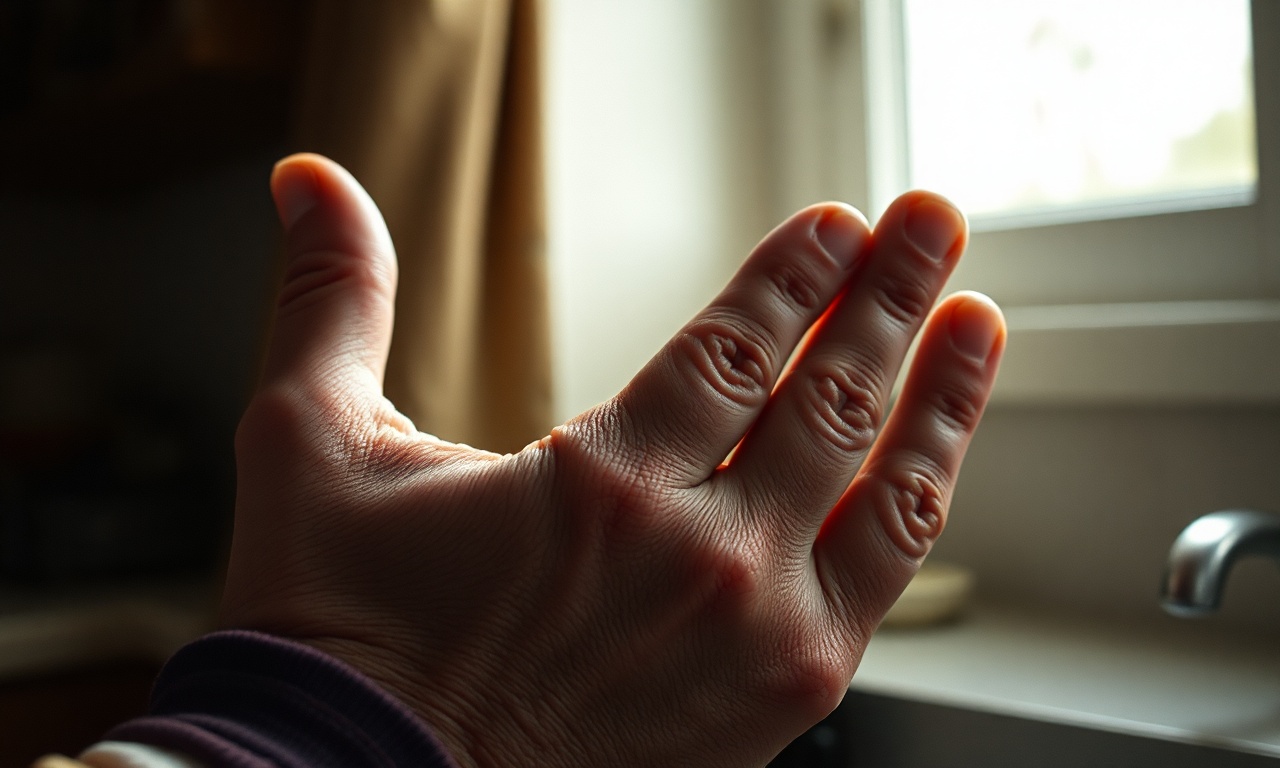
What astonishes, in retrospect, is not the sacrifice but the invisibility we demand of it. We hide the atrophy. We conceal the tremor. We treat our own depletion as a design flaw rather than the structural cost of the edifice we have built.
When the Scaffolding Stands Alone
And then, if we are fortunate, the structure stands.
The child who needed carrying now carries her own groceries. The son who slept on your chest now sleeps in a dormitory three time zones away. The body that was borrowed against, leveraged, mortgaged—suddenly finds itself unemployed from its primary purpose.
This is the moment the cartography reveals itself, and it is terrifying.
You notice the atrophy in the mirror: not merely the physical, though that too—the knee that never recovered from the years of floor-sleeping, the hearing diminished by decades of occupational noise—but the identity atrophy, the self that has grown so skilled at being the support that it no longer knows how to be the structure. Who are you when no one needs you at 4:47 a.m.? What language do you speak when the vocabulary of emergency no longer applies?
Some parents fill the silence with new projects, new devotions, new reasons to subtract themselves. Others discover, with the slow horror of archaeological excavation, that they have forgotten their own desires so completely that they cannot distinguish between genuine want and habituated self-denial.
The Tremor as Text
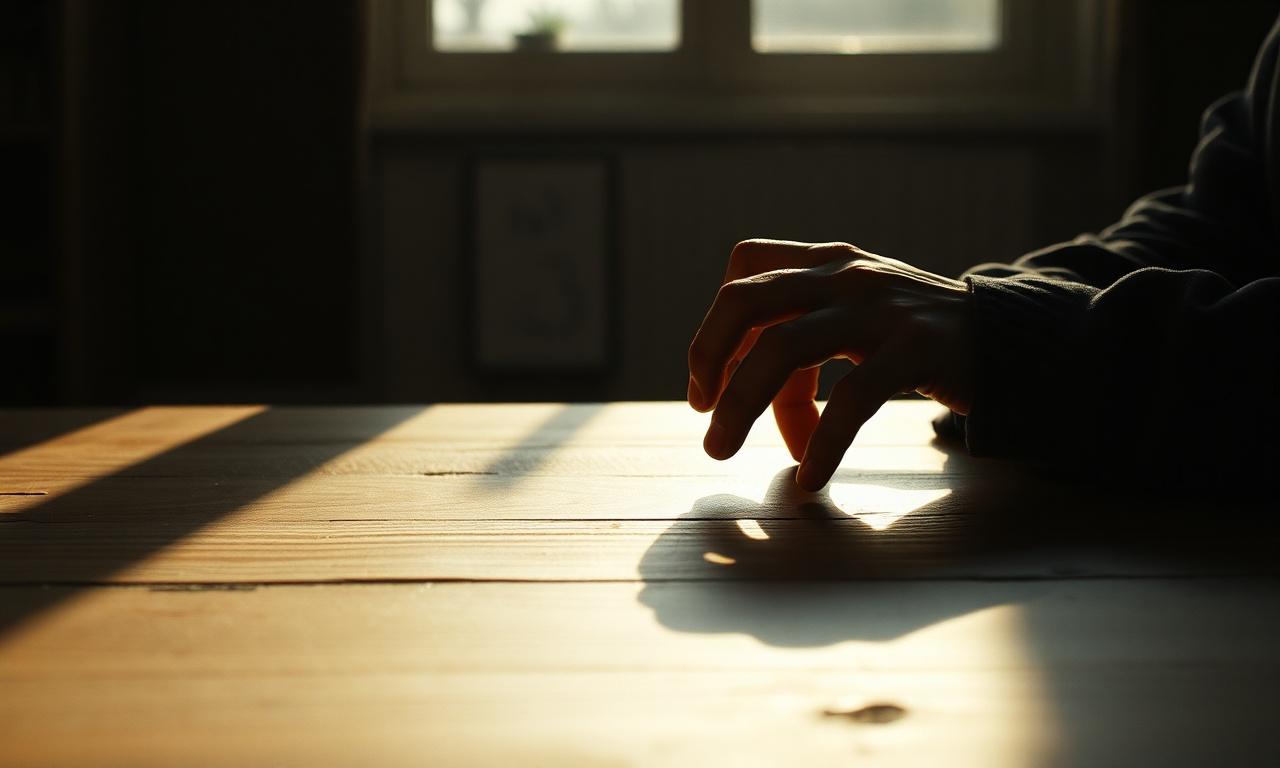
Here is the question that haunts: when our children finally see the tremor in our hands, what will they read there?
Will they recognize it as the cost of holding them steady—the seismic record of every earthquake we absorbed before it reached their small, sleeping bodies? Or will they see only weakness, only decline, only the inconvenient frailty of people who have outlived their usefulness?
The fear is not irrational. We live in a culture that ritualizes gratitude but resents dependency, that celebrates the strong parent and averts its eyes from the failing one. The same society that erects Mother's Day brunches has no ceremony for the mother who can no longer climb the stairs to the restaurant. The father who coached Little League becomes, in his tremor, merely a man who needs help cutting his meat.
But what if we could write the interpretation? What if we could leave not merely the tremor, but the story of the tremor—the ledger of what was spent and why, the map of the cartography we traveled alone?
The Letter as Cartography
This is where the practice of writing to our future children becomes something more than sentiment. It becomes evidence. Testimony. The annotated map we were never given, passed forward with deliberate intention.
Not the curated version, not the Instagram caption of parenting, but the 4:47 a.m. truth: the fear that you were not enough, the rage at systems that made your love so expensive, the moments you failed and the moments you succeeded beyond any reasonable expectation of your own capacity. The grocery bags. The fevers. The floor. The silence.
A letter to a future adult child is an act of radical narrative generosity. It says: I will not make you guess. I will not require you to interpret my tremor without context. Here is what I carried. Here is what it cost. Here is where I would do it again, and here, honestly, is where I wish I had been gentler with myself, where I wish I had let you see me struggle in real-time rather than only in retrospect.
The Paradox of Being Seen
There is a deeper paradox here, one that the cartography of borrowed strength eventually forces us to confront: our children needed our strength, but they also needed our need.
The parent who never falters raises a child who never learns to hold. The parent who never asks raises a child who never learns to offer. In our determination to be the perfect scaffolding, we sometimes denied our children the elemental human education of being needed in return—the early, manageable practice of care that prepares them for the later, heavier lifting of adult love.
The letter to the future allows us to acknowledge this. To say: I thought I was protecting you, and perhaps I was. But I also denied you the chance to know me as a person with limits, with needs, with a body that was always more than merely functional. I gave you a parent. I wish I had also given you a human being, in full.
What We Lower, What Remains
The lowering is inevitable. The scaffolding comes down, or it falls, or it is dismantled by time and biology and the ordinary entropy of being alive. The question is only what we leave in the space we occupied.
I know something about building things that outlast their builder. For years I've sat alone until 2 or 3 AM, "pair programming" with AI models, mapping architectures that might bridge the gap between what we feel now and what someone we love will need to understand decades later. The extreme solitude of that work—just me and a glowing screen in the dead of night—gave me an almost obsessive fixation on dialogues across time. On the conversations we never get to finish because distance, or death, or simply the erosion of memory gets there first. I wanted to build something that could carry voice forward intact, unweathered by the years.
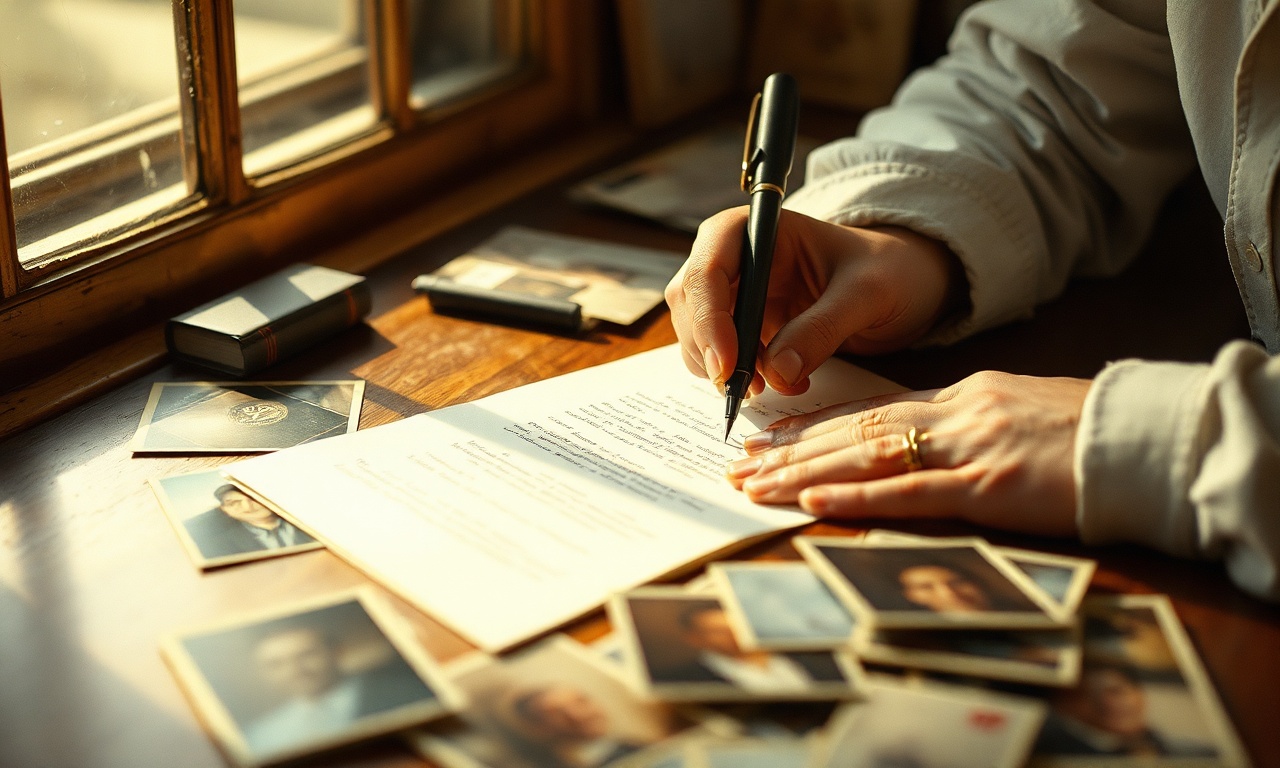
A letter written now, scheduled to arrive in ten years, in twenty, in the uncertain future when our children have become people we do not yet know—this is not nostalgia. It is infrastructure. The beam left deliberately in the wall, the reinforced corner that will bear weight we cannot predict. The message that says: when you find my tremor, here is its origin story. When you wonder what I felt, here is the record. When you need to know that you were loved not abstractly but specifically, muscularly, at 4:47 a.m. with cracked hands and no sleep—here is the proof.
The cartography of borrowed strength was never meant to be traveled alone. We only believed it was. And in that belief, in that solitary navigation, we made ourselves both more heroic and more hidden than we needed to be.
Our children will stand on their own. They will look back at where we were. The letter ensures they will know what held them up, and at what cost, and that the cost was chosen—not once, but daily, with full knowledge and no regret.
The tremor, finally, is not weakness. It is the aftershock of love that moved the earth.
What is EterMail?
EterMail is a revolutionary time capsule service that allows you to send messages, photos, and videos to the future (up to 30 years). Seal your memories and thoughts today, and they'll be delivered when the time is right.
Time Capsule
Send messages up to 30 years in the future
Rich Media
Text, photos, and videos supported
Secure & Private
Your memories are safely encrypted
EterMail Team
We're the team behind EterMail, dedicated to helping you preserve and share timeless messages with your loved ones. Our mission is to make it easy to express your love, share your wisdom, and create lasting connections that transcend time.
Frequently Asked Questions about For Our Children
What should I write in a letter to my future adult child?
How do I explain my sacrifices without making my child feel guilty?
When is the right time to give my child a letter about my parenting struggles?
Related Articles
The Metronome We Become: How Parenting Rewrites Our Internal Rhythm—and What Remains When They Outpace Us
What happens when our children outgrow the tempo we slowed our lives to teach them? Explore the quiet grief and grace of parental rhythm, and how to preserve it.
The Crooked Shelf: Why We Preserve Our Flaws for the Children Who Love Them
The crooked shelf, the burned backyard, the word we mispronounce on purpose—why parents become curators of flaw, and what happens when we finally fix what our children loved broken.
The Cartography of Borrowed Sleep: Mapping the Invisible Labor We Perform for Our Children
Why do parents become nocturnal creatures of productivity? Explore the hidden geography of sacrifice, exhaustion, and love that children never witness.