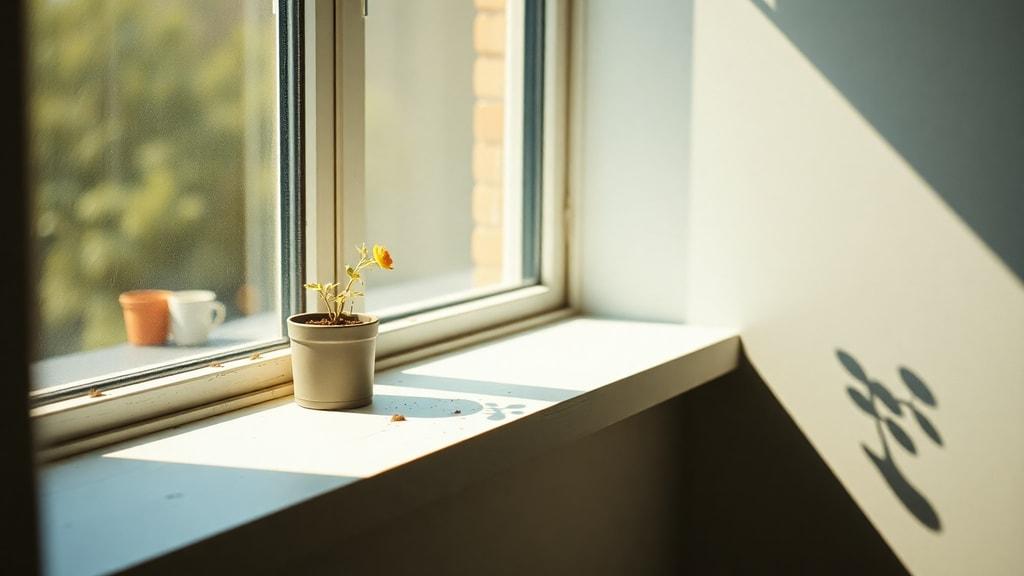
There is a particular silence that follows the morning you finally carry the plant to the curb. Not the dramatic silence of a slammed door or a phone that stops ringing. Something thinner. The ceramic pot still warm from the windowsill, the soil loose and slightly damp against your palms. You set it down beside the recycling bin and do not look back, though you know the leaves are yellowing, though you have watered it for eighteen months out of something you could not name until now—guilt, yes, but also the desperate performance of continuity. If the plant lives, some part of this remains.
You did not transplant it. Did not root a cutting in water the way they taught you, the way you watched them do a hundred times at the kitchen sink, humming something you can no longer remember. You simply let it end.
The Living Weight of Inherited Care
Grief has a way of distributing itself into objects we never chose. The sweater in the drawer you cannot bring yourself to wear or donate. The playlist you stumble across and play once, then delete by accident, then restore, then delete again. And the plant—the one they kept alive through dry winters and your own indifference, the one that seemed to thrive on their attention in ways you could never replicate.
You talked to it more than to anyone else in the house, those first months. Absurd, you knew, but who was there to witness? Who was there to remind you that speech requires a listener? The plant accepted your confessions without judgment: the anger you felt at the pharmacy, the dream where they appeared and said nothing, the morning you woke convinced you had heard their key in the lock. The plant became a witness to a grief that had no other audience.
The Rituals We Perform to Postpone Healing
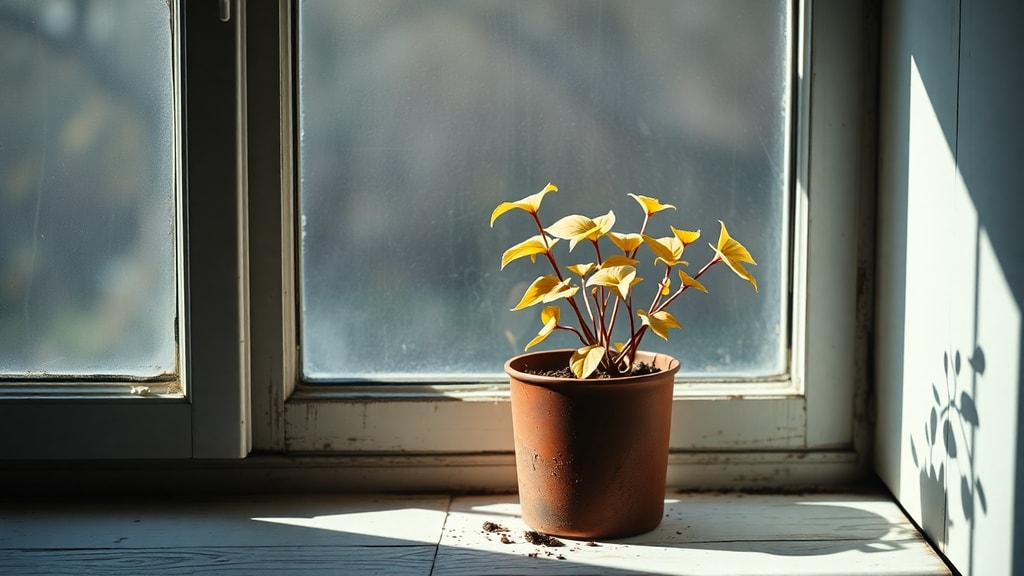
You open the window each morning from habit. The east-facing one, the one they insisted on because the light was "kinder" in the early hours. You have never tested this claim. You simply perform the motion: unlock, lift, prop with the wooden wedge they carved from a wine cork. The air enters, indifferent to your choreography. The room does not feel more like them. It feels more like a room that has been opened, nothing more.
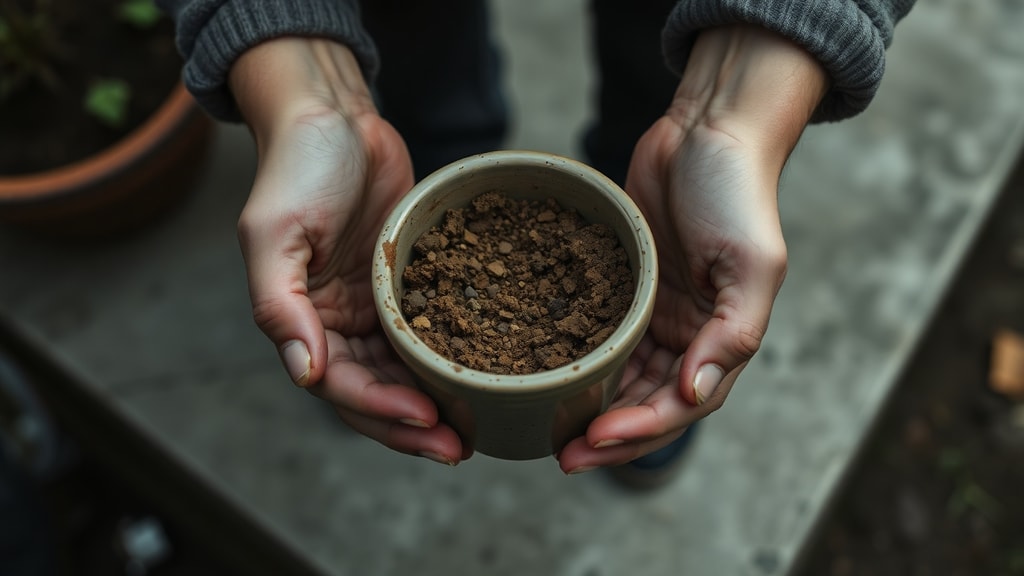
The soil stain on the sill you decide to leave. This is the strange calculus of loss—what to preserve, what to erase, what to allow to fade on its own timeline. Scrubbing feels like a second death. Not of the plant, which is already ending, but of the last physical evidence that someone tended to something here. Someone chose this spot. Someone pressed their thumb into the earth to test for moisture.
We mistake maintenance for meaning. We keep the routines alive and tell ourselves this is how we keep the person alive, as if grief were a houseplant that simply required sufficient water and indirect light. As if love could be reduced to persistence.
The Difference Between Letting Die and Letting Go
The plant was never yours. This is the recognition that arrives slowly, then all at once. You inherited it the way you inherited the unlabeled spice jars, the preference for a particular brand of toothpaste, the hesitation before answering the phone. These were extensions of their care, their choices, their small daily acts of presence. You performed them initially out of necessity, then out of devotion, then out of a kind of superstition—if I stop, something worse will happen, something final will be acknowledged.
But the plant is not them. The window is not them. The soil stain, the cork wedge, the east light at 7:15 AM—these are not them. They are the residue of a life that included you, not a life you were required to continue on their behalf.
There is a violence to this realization, and then a strange, almost embarrassing relief. You are not failing them by letting the plant die. You were failing yourself by pretending that care could be transferred so simply, that love meant assuming all the labor of another person's attachments without questioning which ones were ever meant to be yours.
What Remains When We Stop Performing
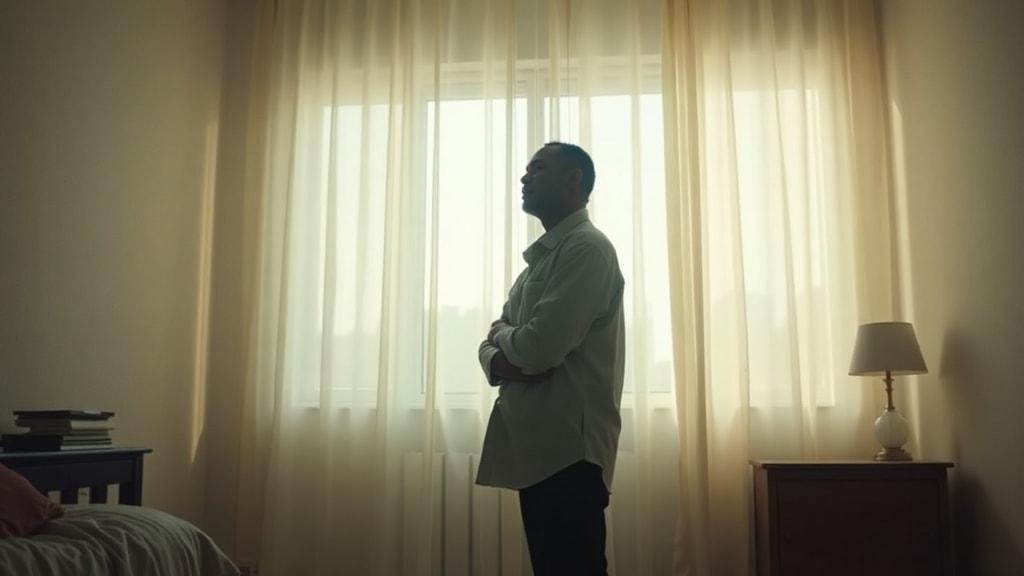
The afternoon you carry the pot to the curb, you do not feel the expected collapse. You feel something quieter. A loosening in the shoulders you did not know you had been holding. You return to the window and do not open it. The room is still. The light enters through glass, unfiltered, and you notice for the first time that it is indeed different—sharper, more direct, less forgiving. You had never let yourself experience this light before.
This is the unspoken work of healing: not the grand gestures of release, but the small discoveries of what your own life actually looks like when you stop curating it as a museum of someone else's preferences. The plant dies. The window stays closed. The soil stain remains, not as a shrine, but as a fact—a mark that something grew here, something was tended, something ended.
You do not need to replace it. You do not need to find a new plant, a new ritual, a new object to absorb your unspoken words. The talking can stop now. The listening, too, if that is what it was.
The Future of What We Carry Forward
What remains is not nothing. This is the fear that keeps us watering, keeps us opening windows, keeps us performing care for lives that were never ours to sustain. The terror that without the object, without the ritual, there will be absence absolute. But absence is not empty. It is spacious. It is room for something else to be noticed, to be felt, to be begun.
I know this fear intimately. For years I sat alone in the dead of night, screen glowing, "pair programming" with LLMs until 2 or 3 AM—building, always building, as if the next architecture diagram would finally bridge the silence between what I could create and what I could feel. The extreme digital solitude taught me something about loneliness, about dialogues across time that have no immediate listener. But it was only when I stepped away from the keyboard—when I hiked steep trails, felt harsh winds, let the ocean teach me about losing control—that I understood how much of my digital life was performance, maintenance without meaning. The raw reality of those moments stripped away the illusion that persistence alone equals presence.
You leave the soil stain. You close the window that morning, and the next, and the next. You discover that the room is not colder. You discover that you have your own relationship to morning light, to silence, to what you choose to tend and what you allow to complete its natural cycle.
There is a future in which you write to yourself about this afternoon. Not to preserve it, exactly, but to acknowledge it. The day you stopped performing grief and began, however uncertainly, to inhabit your own life. The day you understood that letting something die is not the same as letting someone go—that endings are not betrayals, and care that outlives its purpose becomes something else, something closer to fear than to love.
The best way to fight forgetting isn't taking another screenshot; it's setting an alarm for the future. By using EterMail to set a delivery date 5 years from now, you completely free yourself from the anxiety of the present. The letter you write today, while the soil stain is still visible, while the relief still feels strange and almost embarrassing—that letter will arrive when you have forgotten the specific weight of this afternoon, and it will remind you not of the performance, but of the exact moment you chose to inhabit your own life.
The plant is on the curb. The truck will come. The soil will become compost, or landfill, or whatever happens to the things we release. You are in the room with the closed window, the direct light, the stain that marks what was without demanding what must be. You are here. This is enough. This is, perhaps, the beginning of something that belongs to you.
<
Frequently Asked Questions
What should I include in a digital legacy for loved ones?
A meaningful digital legacy should include not just passwords and account information, but the stories, values, and emotional truths you want to preserve. Consider including letters that explain why certain objects mattered, what routines carried meaning, and which ones were simply inherited out of habit rather than genuine connection.
How do I know when to stop preserving someone's rituals and start living my own?
There is no universal timeline, but a useful question to ask: Am I maintaining this out of love for them, or fear of what it means to let it change? When maintenance becomes performance—when the ritual no longer connects you to their memory but traps you in a version of yourself that no longer exists—it may be time to release it with intention rather than guilt.
Is it normal to feel relief when letting go of objects after loss?
Relief is not only normal but often deeply necessary. It signals that you are recognizing the difference between honoring someone's memory and assuming responsibility for their entire emotional ecosystem. Relief does not negate love; it simply acknowledges that you are a separate person with your own needs, your own light requirements, your own right to close the window and discover what enters next.
What is EterMail?
EterMail is a revolutionary time capsule service that allows you to send messages, photos, and videos to the future (up to 30 years). Seal your memories and thoughts today, and they'll be delivered when the time is right.
Time Capsule
Send messages up to 30 years in the future
Rich Media
Text, photos, and videos supported
Secure & Private
Your memories are safely encrypted
EterMail Team
We're the team behind EterMail, dedicated to helping you preserve and share timeless messages with your loved ones. Our mission is to make it easy to express your love, share your wisdom, and create lasting connections that transcend time.
Frequently Asked Questions about Healing & Remembrance
What should I include in a digital legacy for loved ones?
How do I know when to stop preserving someone's rituals and start living my own?
Is it normal to feel relief when letting go of objects after loss?
Related Articles

The Solo Cello: On Reclaiming the Car, the Radio, and the Road After Loss
What happens when you finally change the radio preset they programmed? A meditation on vehicular grief, small ceremonies of letting go, and learning to carry only one.
The Quiet Inheritance: When Their Clothes Become Your Continuation
What happens when you stop dressing around their absence and start wearing their clothes forward? An intimate exploration of grief, fabric, and continuation.

The Morning You Forget Which Side Was Theirs: On the Geography of Grief and the Slow Work of Remembering
What happens when you forget which side of the bed was theirs? A meditation on the strange, intimate geography of grief and how we learn to remember without pain.