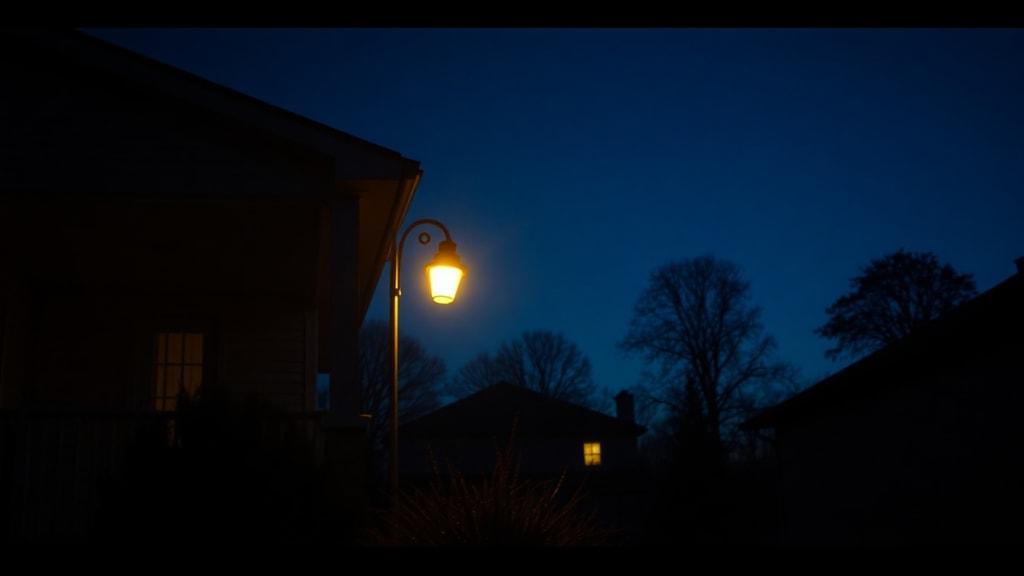
You realize it six months after they moved out in March: the porch bulb you replace on schedule, still burning for someone who isn't coming home. The thermostat set to their temperature, the phone silenced during their old commute hours, your body curled to your side of the bed out of habit rather than grief. These are not the milestones we celebrate. No cards exist for the night you understand that love's residue lives not in photographs but in the infrastructure of daily life you built together—and now maintain alone.
This is the domestic archaeology of abandoned rituals. The work of becoming someone who learns to leave the light on, and then, finally, to let it go.
The Architecture of Shared Living
Every relationship constructs a private city. Grocery lists drafted with their allergies in mind. The specific way the coffee maker faces because of how they reach for mugs half-asleep. The shower temperature negotiated through seasons, the Netflix algorithm trained on two appetites, the side of the bed claimed through years of unconscious settling.
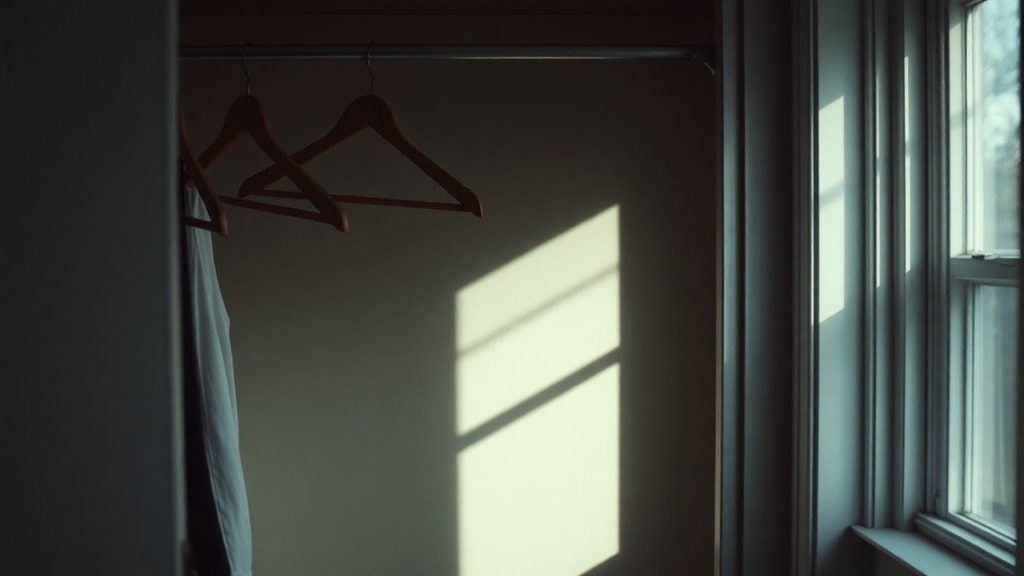
We do not notice this architecture while it lives. Only after evacuation do we discover how thoroughly we built around another person's dimensions. The discovery arrives not as drama but as small betrayals of routine: reaching for two mugs, pausing at the intersection where you once turned toward their office, the muscle memory of making coffee for someone who no longer sleeps in the next room.
Psychologists call this "habitual interdependence"—the gradual entwining of daily systems that occurs below the threshold of conscious choice. We do not decide to love through logistics. We simply live, and living together becomes its own language, spoken in thermostats and grocery lists and the particular sound of a key in the lock at 6:47 PM.
The Haunting of Useful Rituals
Not all ghosts announce themselves. Some simply continue to function.
The porch light, replaced on schedule, serves no one. Yet you replace it because the ritual of maintenance outlives the relationship it maintained. This is the peculiar cruelty of practical love: it persists in usefulness even when the use has vanished. The allergy-conscious grocery list prevents no reaction. The silenced phone protects no sleep. These habits become haunting precisely because they remain good habits—efficient, considerate, built on genuine care—now directed toward absence.
There is a particular loneliness in performing devotion without recipient. The world sees nothing wrong. The bulb burns. The thermostat holds. You appear to be functioning, even functioning well, because the infrastructure of your care remains intact. Only you know that the city you built is now a monument without visitors, maintained by a single custodian who has not yet received permission to retire.
The Undisclosed Demolition
What if the truest milestone is not the love we release but the courage to notice which habits have become haunting? To dismantle the small machinery of devotion without announcing the demolition?
We imagine closure as ceremony: the returned boxes, the changed locks, the final conversation. But closure lives more often in unremarked adjustments—the night you stop silencing your phone, the grocery list that finally includes shellfish, the thermostat set to your own preference without conscious decision. These are private revolutions. No one witnesses the bulb you decide not to replace. No one applauds the side of the bed you gradually reclaim.

This undisclosed demolition requires its own courage. We fear that stopping the ritual equals stopping the love, that turning off the light betrays something we promised in better faith. But the machinery of devotion is not the devotion itself. The porch bulb does not remember. The thermostat does not mourn. Only we do, and we deserve to stop maintaining infrastructure that serves no living purpose.
Turning Off the Light as Fidelity
Here is the paradox that arrives slowly, if at all: turning off the light can be its own kind of fidelity.
Not to the person who left. Not to the version of yourself who built these systems in hope. But fidelity to the present tense, to the person you are becoming, to the recognition that love's residue deserves honest acknowledgment rather than endless, invisible maintenance.
The milestone is not the day they moved out. It is the night you notice the bulb burning empty, the month you realize you've been sleeping on your side from choice rather than grief, the year you understand that your body has finally learned the new dimensions of solitary rest. These are not failures of love. They are evidence of love's proper completion: the slow transformation of active devotion into integrated memory, of maintained infrastructure into personal architecture you now inhabit alone.
What We Owe the Future Self
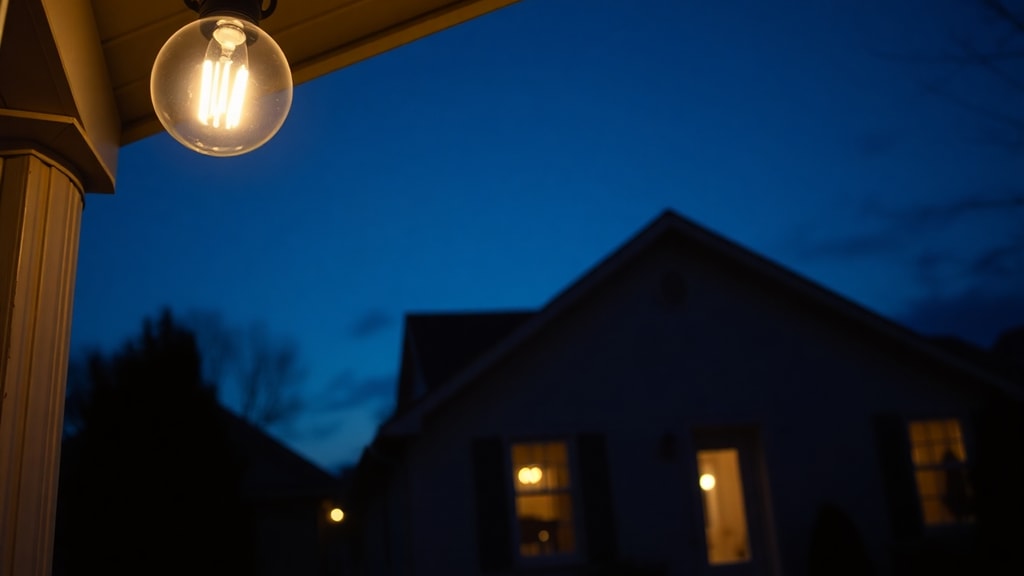
The person who will eventually stop replacing the bulb does not yet exist. She is being built, night by night, in the small decisions to notice and to change. The future self who sets the thermostat to her own temperature, who sleeps in the center of the bed, who buys groceries without consulting a ghost—these transformations arrive not through dramatic renunciation but through accumulated permission.
Permission to let the light go out. Permission to discover that the dark is not abandonment but simply evening, arriving as it always has, carrying its own kind of peace.
I know this accumulated permission intimately. For years, I've been the person staring at a glowing screen until 2 AM, pair-programming with LLMs, mapping architectures in the dead of night—building digital systems that outlast their immediate purpose, that maintain themselves in the dark while I remain awake. That extreme solitude taught me something about infrastructure that persists without its architect present. About how we build things meant to function across gaps of time and attention, hoping they'll still be standing when we finally return to them. The porch light I leave burning in code, the server that keeps humming, the scheduled task that runs whether I watch or not—they are all small devotions to a future self who may have moved on to other concerns.
There is a particular intimacy in writing to this future self, in recognizing that she will exist in a house you have not yet learned to inhabit. The best way to fight forgetting isn't taking another screenshot; it's setting an alarm for the future. By using EterMail to schedule a letter to arrive five years from now, you completely free yourself from the anxiety of the present. You witness your own becoming with compassion from the person who knew, even then, that you would eventually arrive. The platform was built for this temporal correspondence: the letter to the person you are becoming, the time capsule of who you were when the light still burned. Some letters should not be sent to others. They should be sent to the self who will one day need to know that the present version saw her coming, that the work of undisclosed demolition was always understood as necessary, that turning off the light was never betrayal but only the honest end of a particular season's illumination.
The New City
Eventually, if you permit it, a new architecture emerges. Not the old city repurposed, but something built on different principles. You discover your own shower temperature, your own commute rituals, your own reasons for silencing the phone. The bed becomes simply the bed. The grocery list becomes simply nourishment. The porch light, when you finally install a new bulb, burns for whoever you are now, and whoever might eventually arrive.
This is the milestone no one photographs: the completed transition from maintained grief to inhabited solitude. The recognition that love's residue has finally, properly, become yours alone—not as haunting, but as history. Not as machinery to maintain, but as foundation to build differently upon.
The light you leave on was never, finally, about them. It was about your own capacity for care, your own willingness to build systems that outlast their immediate purpose. That capacity remains. It simply requires new direction, new recipients, new rituals that serve the present rather than preserve the past.
The bulb burns out. You stand in the doorway, dark around you, and understand that this is not loss but only evening. The switch is in your hand. The decision, when you make it, belongs entirely to who you are now—not to who you were with them, not to who you were without them, but to this person, here, learning that fidelity to the living requires eventually letting the dead things go dark.
You turn the switch. The dark is not empty. It is simply room, at last, for whatever comes next.
What is EterMail?
EterMail is a revolutionary time capsule service that allows you to send messages, photos, and videos to the future (up to 30 years). Seal your memories and thoughts today, and they'll be delivered when the time is right.
Time Capsule
Send messages up to 30 years in the future
Rich Media
Text, photos, and videos supported
Secure & Private
Your memories are safely encrypted
EterMail Team
We're the team behind EterMail, dedicated to helping you preserve and share timeless messages with your loved ones. Our mission is to make it easy to express your love, share your wisdom, and create lasting connections that transcend time.
Frequently Asked Questions about Love & Milestones
How do you know when it's time to let go of relationship rituals?
What should I include in a letter to my future self about healing?
How do you build new daily habits after a significant loss?
Related Articles

Why I Built EterMail: A Time Capsule for the People I Love Most
I’m a Product Manager who spends all week optimizing for the "immediate now." But getting lost off the grid on a mountain ridge made me realize I had zero infrastructure for the "forever." Here’s why I stopped worrying about conversion rates for a moment and built EterMail—a secure, tamper-proof digital time capsule for the people I love most.

A Life Carried Forward: Why Digital Mindfulness Means Leaving Yourself in Other People, Not Just Clouds
Digital mindfulness isn't about better storage—it's about being present enough to leave something of yourself in another person. Here's how to begin.

The Quiet Harvest: Why Your Wearable's Data Bargain Costs More Than Your Privacy
Your wearable promises health insights, but sells a permanent map of your body. Discover what your doctor actually needs—and what you're really giving away.